


VR/AR Explosion: Knocking on the “Door” to the Virtual World

What's it like to spend a week in the metaverse?
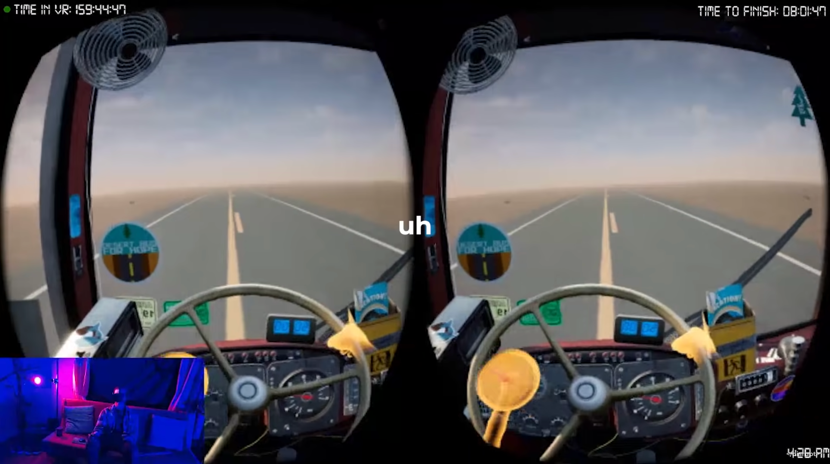
As early as February 2019, a foreign tubing (YouTube) owner recorded his experience of spending a week wearing VR glasses.
In the experiment, the tubing owner lived in a virtual world with VR eyes for 24 hours in an opaque environment. Examples include working in the forest in the early morning, dreaming under a vast starry sky, racing in a spaceship with friends over the city, and meditating with people from all over the world.
Since natural daylight changes have not been seen for a long time, the tubing owner will perform 30 minutes of high-intensity simulated boxing and 15 minutes of yoga to address mild claustrophobia. The mirrored world of virtual space allows players to visit various places of interest and bustling cities around the world. The virtual world provides a new form of expression, which allows the tubing owner to paint freely in the 3D world.
“More than just a digital window, not through a phone or screen, but actually coexisting with the virtual world. I think that's the point of VR.” Of course, after the experiment was over, the tubing owner used 24 hours to re-adapt to the physical world, no longer have to endure eye fatigue and headaches, seriously appreciated the beauty of nature for the first time, and fell in love with real life again.
1. The “door” to the virtual world
The birth of the Internet has spawned the emergence of virtual worlds parallel to the physical world, and terminal devices are human ports to the virtual world. From desktop computers and mobile devices to the Internet of Things, the virtual world and the real world are becoming more and more integrated, and terminal devices are becoming more and more diverse.
In the second half of 2021, the metaverse concept took the world by storm, rendering the idea of a mixture of fiction and reality to the extreme. For the metaverse, the use of entrance terminals reflects the progress of the metaverse. According to immersion and realism, entrypoints to the metaverse can be roughly divided into three categories.
The first category is terminal devices such as mobile phones and computers. These types of terminals are 2D flat and cannot meet the requirements of a high level of immersion; they are more of a “quasi-metaverse” concept. The immersive nature of the metaverse requires the reconfiguration of terminal devices.
The second category is augmented reality devices, XR (extended reality), a collective term for various technologies such as VR (virtual reality), AR (augmented reality), and MR (mixed reality), as well as various somatosensory devices. This type of terminal can transmit vision, touch, etc. in the virtual world to people in the physical world, and support people in different spaces to interact in a virtual platform to achieve realism. This is a major breakthrough in the metaverse at this stage, but in the long run, the terminal entrances to the metaverse will become more diverse, and hardware devices such as smart headphones, smart contact lenses, and upgraded somatosensory devices may emerge in the next phase.
The third category is brain-computer interface. In the future, brain-computer interfaces or the ultimate form of metaverse terminal devices can establish neural connections between brains and computers by implanting chips into the brain. In the future, humans may control computer mice, mobile phones, or any device through thought to truly achieve human-computer interconnection. Neuralink, a neurotechnology and brain-computer interface company owned by Tesla, has tested animals and successfully read animal brain activity.
II. Battle for the entry point of the metaverse
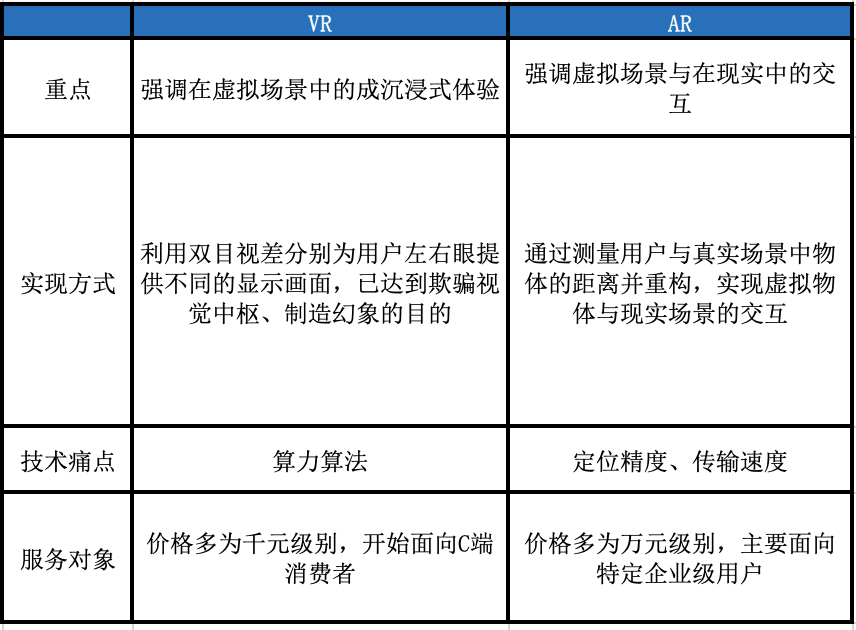
At this stage, construction of a metaverse portal terminal is still in its infancy, and many people compare the current level of metaverse to the Nokia era before the mobile internet. And in the construction of the entryway to the metaverse, VR and AR are at the forefront. Both VR and AR are augmented reality technologies, but there are differences in technical focus and technology path. Judging from the degree of development of technology, VR technology is ahead of AR technology.
Data source: 01 blockchain, 01 think tank compiled according to public data
Technically speaking, VR/AR has finally ushered in a period of explosion.
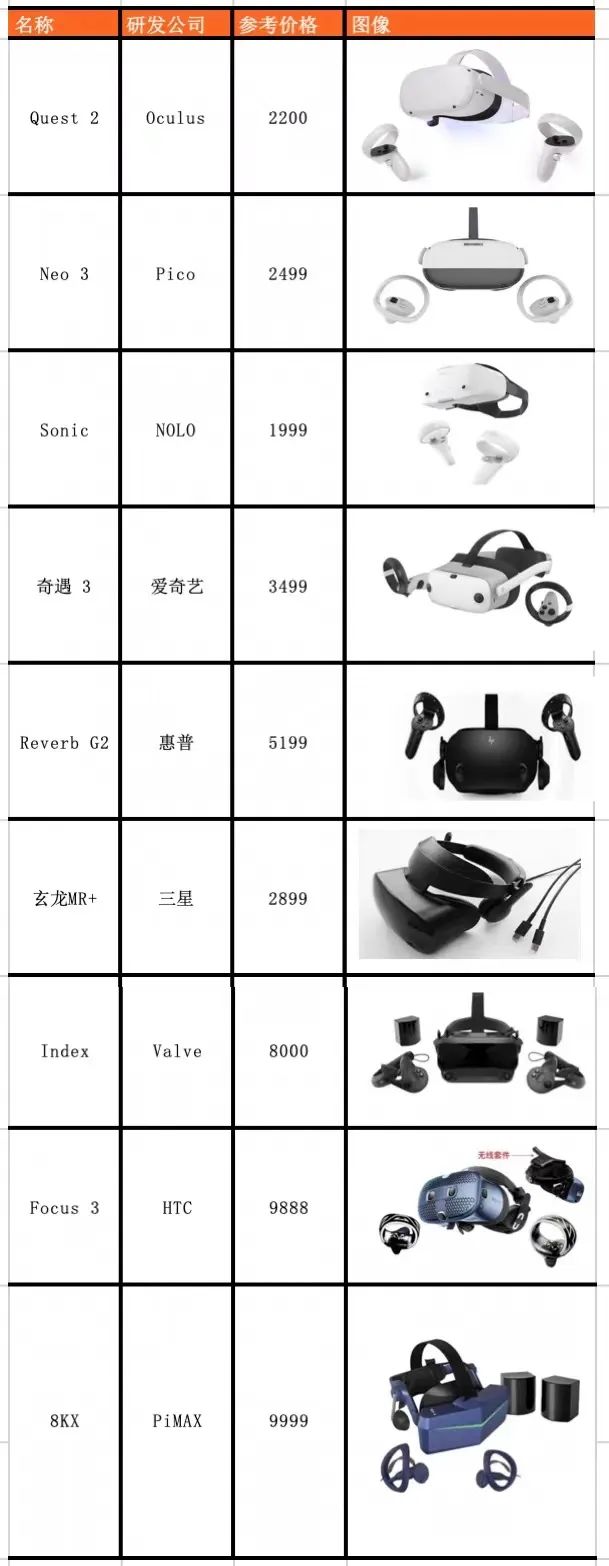
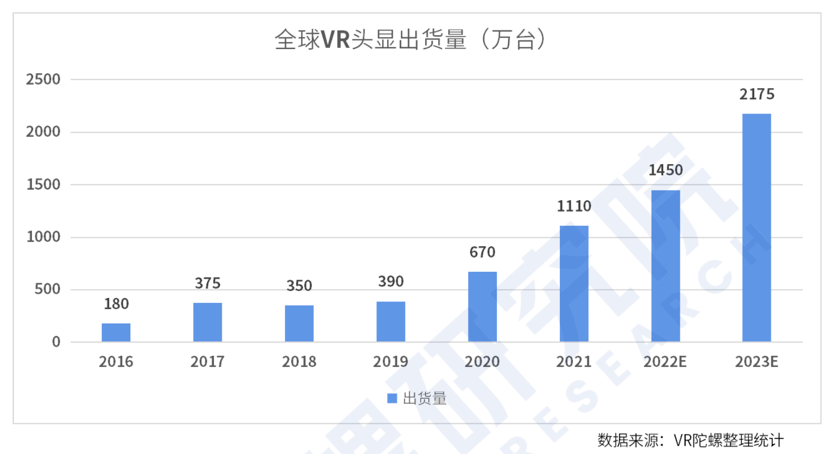
VR and AR began to develop as early as 2016, but due to the maturity of technological development, the appeal of the initial immersion stage is limited, and the past few years have remained tepid. Since the pandemic, work-from-home and entertainment have promoted the digitalization of offline scenes, and demand has driven the beginning of VR/AR tracks. And the popularity of the metaverse has added even more momentum. At present, VR has begun to target C-end consumers, and related products have also begun to be sold frequently.
Data source: 01 blockchain, 01 think tank compiled according to public data
In terms of investment and financing performance, VR/AR related industries are popular on the capital side.
According to the “White Paper on Metaverse Industry Chain Ecology” published by the China Electronics and Information Industry Development Research Institute, as of April 2022, global VR/AR companies have received more than 43 investment and financing incidents this year, including 18 investment and financing incidents exceeding 100 million yuan, with a single maximum financing amount of 2.2 billion yuan, and a total financing amount of 8.2 billion yuan.
The popularity of investment and financing in VR/AR related industries will maintain a high growth rate over the next few years. Data company IDC predicts that the total global AR/VR investment scale will increase to 74.73 billion US dollars in 2026, and the compound growth rate will reach 38.5% from 2022 to 2026. Among them, the compound growth rate of the Chinese market will reach 43.8%, ranking first in the world.
In terms of product sales, shipments of VR/AR products began to grow.
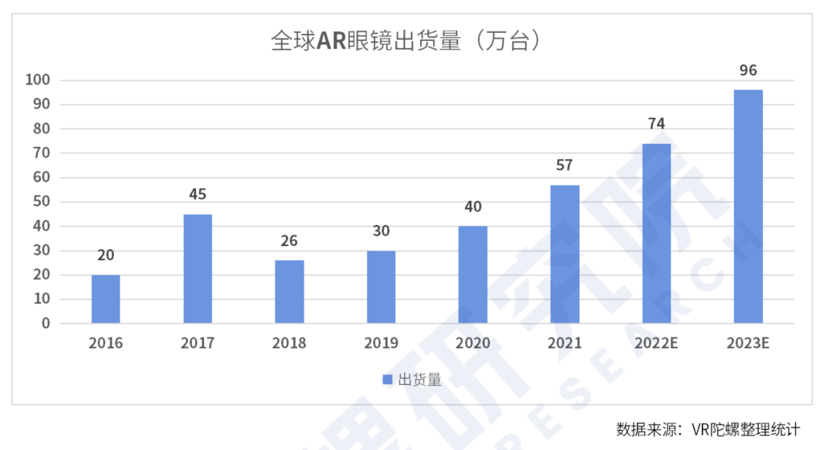
According to VR gyroscope statistics, global VR headsets were shipped about 6.84 million units in the first half of 2022. Among them, the cumulative sales volume of the VR headset Quest 2 launched by Meta in the first half of the year reached about 5.9 million units, accounting for 86% of total sales, and the leading effect on the market was concentrated. Domestic VR headsets were shipped about 605,800 units, accounting for about 8.8%. Domestic brands are mainly Dapeng VR and Pico.
In comparison, AR is limited by technological maturity, and product popularity is insufficient. In the first half of 2022, AR headsets were shipped about 296,000 units, and overseas shipments accounted for more than 75% of total shipments. Domestic AR headsets shipped about 48,000 units in the first half of the year, accounting for about 16.21%
3. Games have become the most immersive metaverse scene
The construction of terminal equipment has only taken the first step, and building a hosted content ecosystem is an important next step. The advancement of VR devices and the explosion in sales have made it possible to create metaverse content products adapted to entertainment and lifestyle scenarios, and have knocked on the metaverse in the gaming field.
The reduction of the VR mobile hardware threshold provides a healthy growth space for the VR content ecosystem, forms a virtuous cycle with the consumer market, and promotes the continuous development of the metaverse content ecosystem. Currently, VR is the most popular metaverse port among consumers, carrying VR game content from the metaverse.
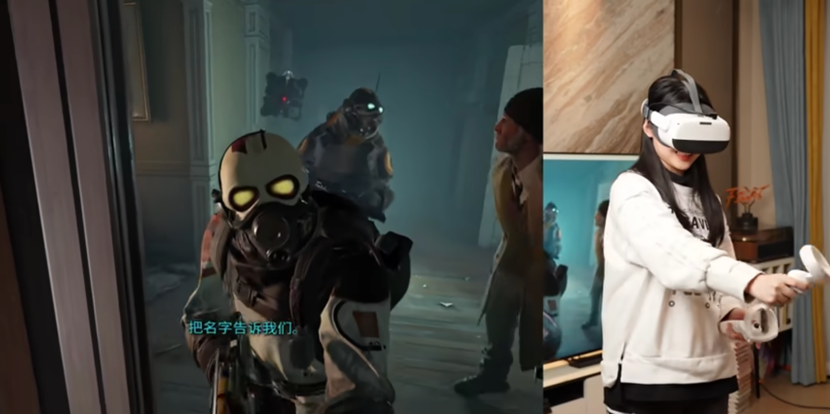
The Steam platform is a mainstream VR game content platform. The platform has more than half of the VR games on the market. According to statistics, the current number of active Steam users is about 132 million, and it is estimated that there are more than 2.5 million active VR users on the Steam platform. This shows that the VR game content market has begun to rise. Relying on VR game content provided by the platform for active players, players can enter the metaverse in the gaming field. This is also the most immersive scene at this stage.
As far as VR games are concerned, although they have grown rapidly in recent years, they also have a common problem with metaverized scenarios, that is, the fun and appeal of the content itself is limited. Compared to the mature mobile game market, VR games still have a big gap in scene design and fun. In the video game market, VR games are just a dime. According to Omdia's latest report, in 2022, the global VR content market revenue is expected to reach 3.1 billion US dollars, accounting for about 1.7% of the total revenue of the video game market.
In the short term, games will still be the main application scenario for VR. However, the development of metaverse-related industries and the gradual increase in the popularity of VR devices will drive the growth of the video and interactive content consumer market. The application of VR in other scenarios is also beginning to increase, such as entertainment scenarios such as social networking and live streaming, as well as industries such as finance and industry. However, at this stage, large-scale player participation has not been achieved in the construction of other VR content scenarios, and specific content and formats still need to be further explored.
4. Pushing the door to the metaverse
In terms of technical architecture, the metaverse is the product of a collection of technologies. This includes the Internet, artificial intelligence, cloud computing, blockchain, information transmission technology represented by 5G, and augmented reality technology such as VR/AR. In a world where the metaverse is structured to blend fiction and reality, various technologies involving the metaverse will provide fast, realistic, and interoperable support.
However, at this stage, the metaverse is characterized by pioneering concepts. While giving humans plenty of room for narration and imagination, the application of the metaverse is “boring.” The main reason why metaverse industry applications lag behind the concept is the insufficient level of development of metaverse-related technology.
Indeed, implementing the metaverse is a very long process. The famous economist Zhu Jiaming previously made an assertion about the metaverse development cycle. “The metaverse should take at least 10 years to establish goals, 30 years to develop and lay the foundation, and 50 years before the metaverse can become the space people expect for a new human existence parallel to the real world.”
It is still known when the metaverse will be realized, but the process of the metaverse can be observed. Among them, the construction of an entryway to the metaverse is the most basic step. Currently, the rise of terminal devices such as VR and AR is sending a positive signal. As more content and scenes are included, the metaverse will gradually be opened to us.
