


BlackRock and Other Bitcoin ETFs Are Depriving Bitcoin of Room to Grow?
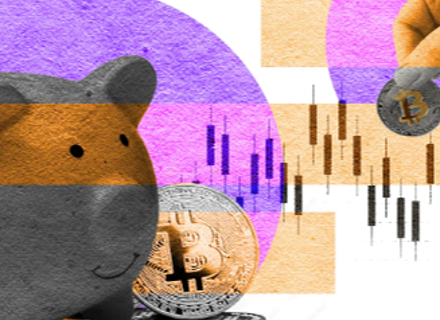
BitcoinBetween widespread acceptance and increased institutional investment, there is a challenge of how to balance circulation supply with investment demand.
Original title: BlackRock and other bitcoin ETFs rob bitcoin of its room to grow
Original by MARC TAVERNER
Source of original text:blockworks
Bitcoin has been around for over 15 years, and more companies and brands are now accepting Bitcoin as a form of payment.
But for most people, paying with bitcoin is as unfamiliar as paying with Galaxy coins.
In fact, today's Bitcoin isn't suitable for buying coffee.But it's probably funding a company that can change your life, which is why we need to give it some space to be used.
Bitcoin is scarce by design. This makes it a reliable store of value, so people want to be allowed to use it.As Bitcoin becomes less and less used in everyday transactions (such as buying coffee), its popularity as a medium of exchange is growing in other areas; such as funds, venture capital, and strategic investments in startups by angel investors.We know this because we're seeing more and more startups seeking service providers that exchange Bitcoin for fiat money in order to do business (such as paying wages and office rent).
We've also seen large institutional investors buy Bitcoin as an alternative investment, seeking to diversify their portfolios and seek rewards to hedge against market fluctuations.
Of course, we've also seen the popularity of recently approved Bitcoin trading platform trading funds (ETFs), which include BlackRock becoming one of the biggest Bitcoin buyers ever. As of May 2024, BlackRock's iShares Bitcoin Trust has accumulated over 274,000 bitcoins (worth around $16 billion at time of writing).
For these reasons, Bitcoin is now clearly seen as a viable investment opportunity for major players.In turn, now is the time to worry that large players may monopolize the market to the detriment of companies, founders, and investors who still prefer to use Bitcoin as a medium of exchange.
The control of Bitcoin by organizations like BlackRock (to fill their ETFs) threatens Bitcoin adoption because they limit Bitcoin's circulating supply.
Meanwhile, price increases driven by these institutions make Bitcoin a more interesting investment asset. This is Bitcoin's dilemma, and it's already raising real questions.
As more companies include Bitcoin on their balance sheets, they need to trade and exchange in a more liquid ecosystem. ETFs, on the other hand, aim not to “release” their bitcoins. So what's going to happen next?
The only answer that actually works is regulation. It's not about deregulation of Bitcoin ETFs themselves, but rather to support regulatory approval for financial products that make more use of Bitcoin's value, so that ETFs are no longer the only option.
Approving financial products that use other digital assets (such as the upcoming decision on an Ethereum ETF) can also reduce the pressure to buy ETFs.Furthermore, licensing and approving more payment and exchange channels between fiat currencies and bitcoins (this way, the way to obtain bitcoins is not just through a broker) can also help bring more bitcoins back to the market.
In the Web3 ecosystem, more and more investors are using crypto assets to support promising startups. Many great projects and initiatives have already been funded through Bitcoin or other stablecoins, and we'll see more similar projects in the future.
But in order to achieve this, we need to ensure that there is enough Bitcoin in circulation in the market. This requires more financial products with different purchasing models and different digital currency support, as well as more medium of exchange, so that investors and companies that fund companies with bitcoins can still grow.
Most importantly, the world's companies like BlackRock should support this plan — if their Bitcoin ETF is an indication, demand for digital currency investment products will only grow.
