李礼辉 · 52

Former Bank of China Governor: Stablecoins have the role of innovative financial convenience, but they also have systemic financial risks

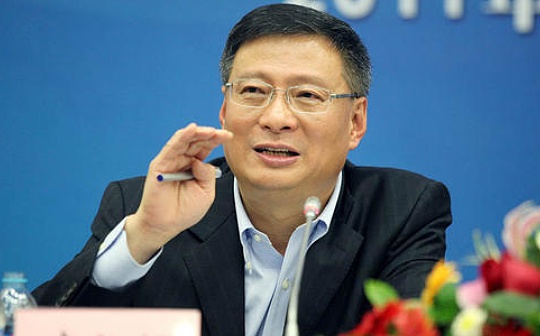
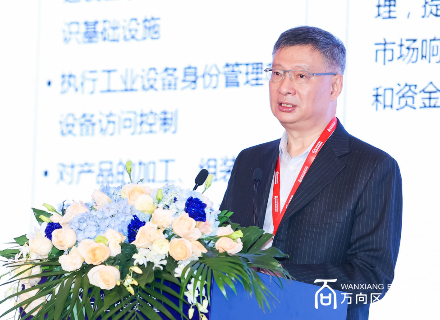
Comparing news, Li Lihui, the former governor of the Bank of China, said at the 2025 International Monetary Forum that stablecoins have the role of innovating financial convenience, but there are also systemic financial risks. He said that the US hopes to bundle stablecoins with the US dollar to maintain global monetary and financial hegemony. If the US fails to improve its double deficit, or affect its currency stability. Furthermore, he pointed out that when conditions are met, Hong Kong stablecoins can ease domestic access and help internationalize the RMB. He also emphasized the need to follow developments in the decentralized finance market represented by the US and enhance China's position in the global monetary and financial system.

391d ago
I have not been absent for 11 consecutive years! The 2025 Shanghai Blockchain International Week will start again this fall in October

I have not been absent for 11 consecutive years! The 2025 Shanghai Blockchain International Week will start again this fall in October

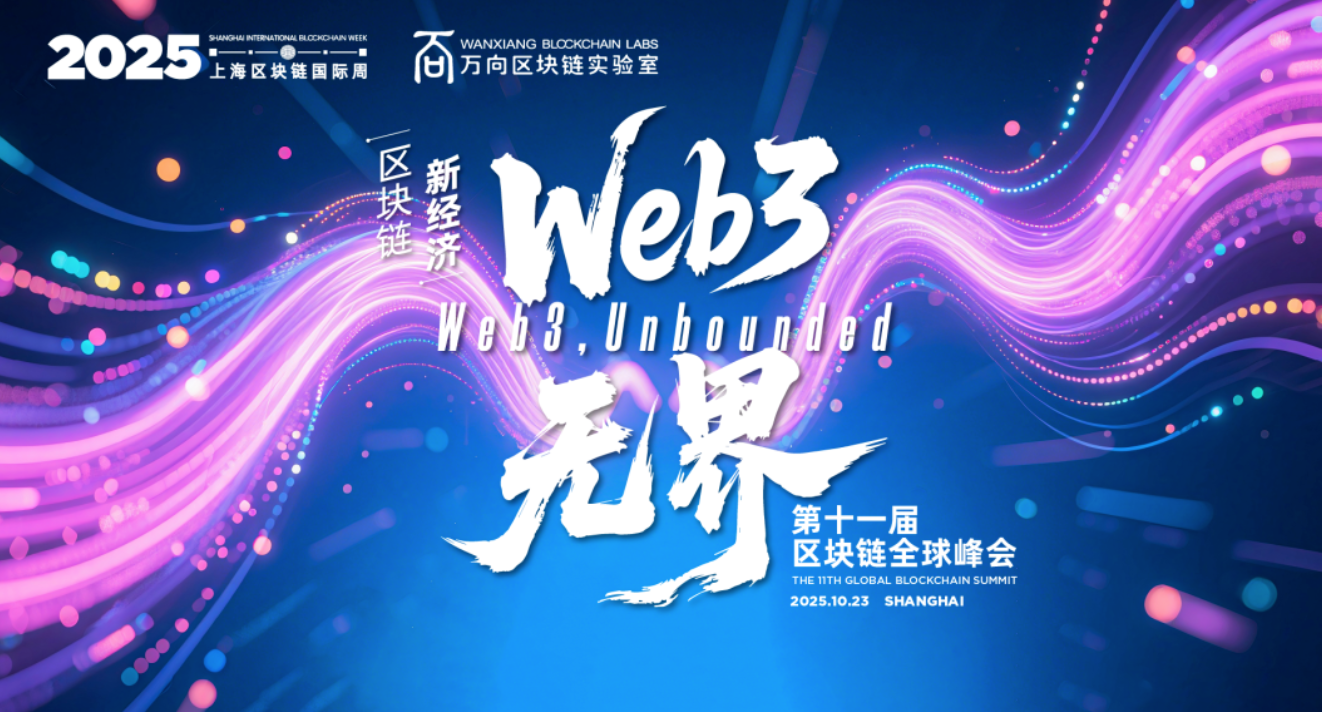
It has truly witnessed the development of the blockchain industry in China and the world. It has never been absent for 11 consecutive years. The 2025 Shanghai Blockchain International Week will once again be grandly opened in October. Among them, on October 23, the “11th Blockchain Global Summit” hosted by Wanxiang Blockchain Lab will be the core event of the International Week, bringing together popular figures. During Shanghai Blockchain Week from October 20 to 25, dozens of surrounding events such as technology sharing, project roadshows, and academic seminars will also be presented simultaneously at various venues in Shanghai, creating a Web3 feast covering technology, business, and culture. Eleven years of accumulation to witness industry trends Since the first summit was held in 2015, the Blockchain Global Summit has reached its 11th year. It has become the top event in the global blockchain field, bringing together top thought leaders from the fields of technology, finance, academia, etc. Li Lihui, former governor of Bank of China; Xiao Feng, chairman of Wanxiang Blockchain; Vitalik Buterin, co-founder of Ethereum; Nick Szabo, father of smart contracts; Gavin Wood, founder of Polkadot; Juan Benet, founder and CEO of Protocol Labs; Anatoly Yakovenko, co-founder of Solana; Sergey Nazarov, co-founder of Chainlink; Co-founder of NEAR Protocol Illia Polosukhin; Avery Ching, Co-Founder and Chief Technology Officer of Aptos; Jed McCaleb, Co-Founder and Chief Technology Officer of Stellar & Ripple; Zeng Ming, Former Chief Strategy Officer of Alibaba; Steven Goldfeder, Co-Founder and CEO of Offchain Labs; Eli Ben-Sasson, StarkWare Co-Founder and President; Jae, Cosmos Project Founder Industry legends such as Kwon, Yale Computer Professor & CerTiK co-founder Shao Zhong, Stanford School of Finance Professor He Zhiguo, MIT Ford Engineering Professor & Turing Award winner Silvio Micali, and Animoca Brands co-founder and executive chairman Yat Siu have attended and even delivered important speeches at the Wanxiang Summit many times. In the past year, the public chain ecosystem exploded, and trends such as large-scale application of RWA became a hot topic; at the same time, the stablecoin regulatory framework gradually became clear, and blockchain is transforming from a “disruptor” to an “enabler.” In this context, the 11th Blockchain Global Summit, with the theme of “Web3, Unbounded”, aims to explore how technological breakthroughs can drive the industry towards a wider range of application scenarios. Focus on the cutting edge, application implementation: Payments, AI, and RWA This summit will continue the high-standard and specialized style, covering the following hot topics: Web3 large-scale application implementation: how to break through user growth bottlenecks in infrastructure, finance, entertainment, etc.; AI+Web3: solving problems such as trust, data monopoly, and incentives in the AI field through blockchain technology; payment: core value and industry transformation of Web3 payments, stablecoins and technological innovation, compliance and security; RWA and compliance process: traditional asset chain practices and regulatory challenges “Web3: none” Breaking boundaries and reshaping the future The 2025 Shanghai Blockchain International Week has the theme of “Web3, no boundaries”, which profoundly echoes the core trend of current industry development — decentralized technology is melting the boundaries of the traditional world and building a new digital world that is more open, connected, and free. Unbounded technology: break down technological silos and achieve composability and interoperability; financial unbounded: capital flows are not limited by geography or time zone, and value allocation logic is restructured; unbounded collaboration: based on DAO and smart contracts, large-scale collaboration without permission 2025 Shanghai Blockchain International Week series events are open for registration worldwide. Special tickets are only 399 yuan. Click to read the original article to purchase. Whether you're a developer, investor, scholar, or enthusiast, this event will provide you with a great opportunity to gain insight into trends and link resources. Join us in defining an “unbounded” future together! Speakers and partners (media, sponsors, community, etc.) can apply by email to: summit@blockchainlabs.org Organizer - Wanxiang Blockchain Lab Wanxiang Blockchain Laboratory was established by China Wanxiang Holdings Co., Ltd. in 2015 to gather experts in the field to advance technology research and development, commercial application, and industrial strategy...

458d agoLuxurytracy#blockchain
Past events of the Wanxiang Summit丨From zero point to outbreak, who ignited the flame of blockchain in China?

Past events of the Wanxiang Summit丨From zero point to outbreak, who ignited the flame of blockchain in China?

Shanghai Blockchain International Week is an international blockchain industry event held by Wanxiang Blockchain Lab in Shanghai every fall since 2015. It has been nine years since then. Over the past nine years, in the face of the waves of the times, the industry is changing rapidly, projects are coming and going, and the epidemic continues to impact. Shanghai Blockchain International Week has always aimed to “promote technological development and prosper the industry ecosystem”, stick to its original intention, and present a high-end and professional international blockchain feast for friends concerned about the development of the blockchain industry. The following is written by Panews' Tong on the eve of the 2019 Wanxiang Summit. Let's take a look back at previous summits with Xiaowan! Early bird tickets for the 9th Blockchain Global Summit are currently being sold out. Click to read the original article to purchase tickets to attend the conference. On October 15, 2015, the Hyatt Hotel on the edge of Baidu Bridge on the Bund in Shanghai welcomed a group of young people. The topic they discussed was blockchain, which is still niche. As the world's first blockchain summit, guests included Xiao Feng, vice chairman of Wanxiang Holdings, and Qin Yi, Deloitte's Asia Pacific investment management industry partner. “There are actually no domestic Bitcoin investment, trading, and mining representatives such as Li Xiaolai, Zhao Dong, Xu Mingxing, Li Lin, and Mao Shixing.” At the time, some media outlets posted articles implying that the conference was copyrighted. Yes, compared to industries that were already small at the time, such as exchanges and mining, this was indeed the first “chain” gathering. The discussion covered the application prospects and examples of blockchain in payments, the Internet of Things, supply chain, securities trading, decentralized cloud storage, authentication and management, and digital asset management. Also attending the conference was Vitalik Buterin, the founder of Ethereum, later known as the “V God,” a young man who was only 21 years old at the time. He had just received investment from Silicon Valley mogul Peter Thiel the previous year, and since then he spent almost his summer in China. Today, Shuai Chu, the founder of Qtum, was also participating in an “IoT Blockchain” project called Tilepay at the time, and explained at the conference why blockchain technology should be applied in the IoT field. Yes, it was the earliest days of blockchain entrepreneurship. Capital has not favored this emerging industry yet, but for blockchain startup teams that are basically in their infancy, this has been a long time of trouble. At the conference, Xiao Feng said, “Blockchain technology announces the evolution of the Internet from an Internet of information that transmits information to an Internet of value that transfers value.” On behalf of Wanxiang Holdings, Xiao Feng also promised to sponsor Wanxiang Blockchain Labs 1 million dollars every year for the next three years. Wanxiang Blockchain Lab will be responsible for organizing a selection committee with a global background, selecting valuable open source projects and creative application development projects in the blockchain community on a global scale, and providing free financial support. The waves formed between the twists and turns. This year can basically be considered the first public blockchain conference in China. It is recognized by the industry as a landmark event for blockchain development in China, making 2015 the first year of blockchain in China. The wind started at the end of Qingping. Wanxiang Blockchain had no intention of creating an outlet, but it is undoubtedly a booster for the industry. Wanxiang Blockchain has allowed more aspiring entrepreneurs to see the huge potential of blockchain and “transfuse blood” into their actions financially. On the eve of the 2nd Blockchain Global Summit, at a forward-looking exchange meeting held at the Shanghai Chief Mansion, Xiao Feng was interviewed by the author and revealed that Wanxiang has set up a $50 million VC fund dedicated to investing in blockchain. Up to now, the fund has invested more than 20 million US dollars and invested in more than 20 startups around the world, of which only 2-3 have been invested domestically, and the rest are overseas projects. Every blockchain company doesn't invest a lot of money. Xiao Feng said, “By the time all 30 companies have invested, they will probably invest 30 million US dollars.” The reason for the small amount of individual investments is that the entire industry is in its infancy. “The blockchain field will not be popular until 2-3 years before companies such as unicorns will appear.” From beginning blockchain research in 2014, to setting up a blockchain lab in 2015, to setting up a $50 million blockchain investment fund, Wanxiang Group finally unveiled its blockchain application plan at the 2nd Blockchain Global Summit in 2016, and is about to invest 200 billion dollars to build the world's largest blockchain application project so far — Wanxiang Innovation Concentration City. Xiao Feng explained at the conference that after acquiring the core technology of electric vehicles in the US, Wanxiang Holdings will build a city with electric vehicles as the core industry over a period of 7 years and use blockchain as the core technology to manage this smart city with 90,000 people — Wanxiang Innovation Concentration City. It will be located in Xiaoshan, Hangzhou, next to the south bank of the Qiantang River. It is planned to be nearly 10 square kilometers, invest 200 billion yuan, and use NEV manufacturing as the core product...

1148d ago万向区块链#Universal blockchain
Live streaming reservation is open! From September 16 to 28, 2022 Shanghai Blockchain International Week will be held entirely online

Live streaming reservation is open! From September 16 to 28, 2022 Shanghai Blockchain International Week will be held entirely online

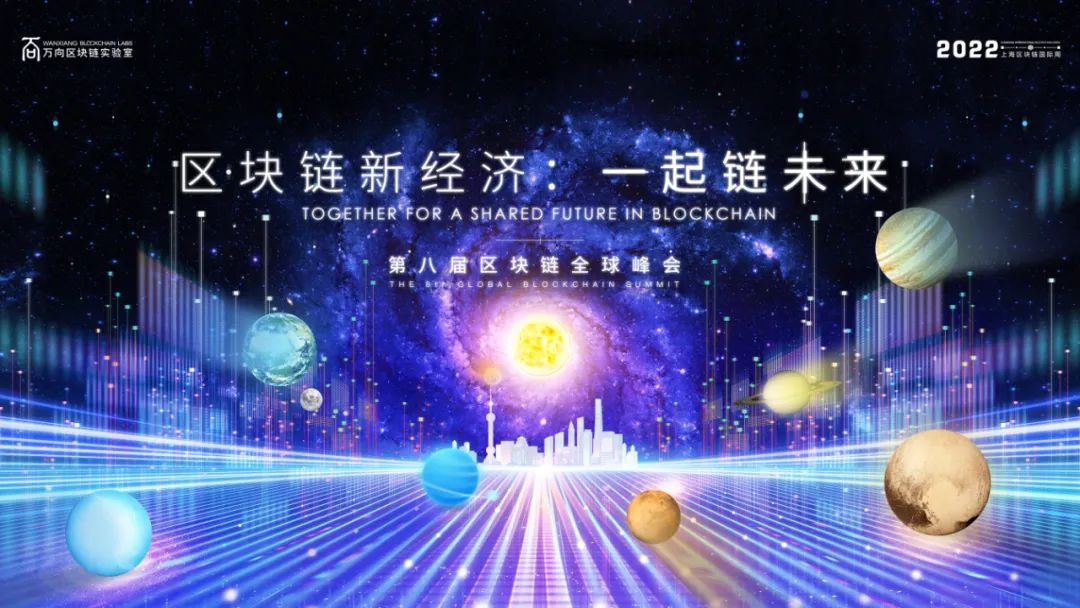
From September 16 to 18, the Wanxiang Blockchain Hackathon brought together outstanding blockchain projects from around the world. There were no restrictions at the bottom. Major ecological projects competed at the same time. Who can take the lead? On the open day on September 19, we will continue to bring exciting industry-themed events to present ideas and new ideas, with the aim of giving the entrepreneurial team more opportunities to show off. The high-profile 8th Blockchain Global Summit will last from September 20 (9:30-12:00) to September 28 (14:00-17:00 every day starting on the 21st), for 9 days, using a new conference format to break traditional stage restrictions. The opening ceremony and eight themed venues will cover key topics such as blockchain technology, Layer 2, DAO, Web 3.0, privacy and security, data protection, metaverse, and dual carbon+ Internet of Things. Not only will old friends who have visited the Wanxiang Summit every year share their latest thoughts, but are also very popular recently The Web3 Fengyun Project made a group debut. 3D virtual technology will allow all speakers to freely travel between Weiwei City and Geng Geng Xing River, collide their ideas, and share the future. The 8th Blockchain Global Summit was definitely an audiovisual feast not to be missed. Leaping through the solar system, our journey is an ocean of stars, a celestial system centered on the Sun and bound by the Sun's gravity. Blockchain, on the other hand, has developed an ecosystem that includes Web 3.0, NFTs, DAO, and the metaverse, using a white paper with innovative thinking as “gravity.” This system has not formed a final state; it is still in the process of continuous “expansion” and change. The 8th Blockchain Global Summit will set up nine major venues (3 hours each) according to the distribution of the solar system and the eight major planets. Through exchanges and dialogue, we can get a glimpse of future changes in blockchain. On September 20, Wanmu Xiang “Yang” - the 8th Blockchain Global Summit was grandly opened. On September 20, we will land on the Sun to embark on this “interstellar journey”. At the opening ceremony, some well-known industry figures and old friends from the Wanxiang Summit will all be presenting with new topics. A special guest of mystery will also be given a gift as a guest at the summit for the first time, bringing practice and thinking about the metaverse. September 21, Yellow “Gold” Era - Blockchain infrastructure looks up at the night sky. Venus is the brightest star humans can see. On September 21st, we will fly to Venus with world-renowned founders of blockchain technology to listen to them share the latest blockchain technology. On September 22, Han “Mu” Chunhua - Layer 2 Jupiter is the largest planet in the solar system. On September 22nd, zkSync and other Layer2 star projects will land on Jupiter to share with you some of the most impressive Layer2 expansion plans at present. Cold “wood” and spring flowers have their own differences. On September 23, accumulating “soil” into a mountain - private computing and data governance Saturn has a remarkable planetary ring system, which seems like a “protective jacket” wrapped around the planet. On September 23, we will invite experts and scholars from CertiK and other projects to discuss privacy computing and data governance, and explore ways to build a blockchain “protective cover”. On September 24, the “land” of the river - Dual Carbon, Blockchain and Internet of Things Earth is the “mother star” of humans. A green home is a prerequisite for sustainable human development. On September 24, we will gather on Earth to explore the application of blockchain, the Internet of Things and other technologies in dual carbon, and use digital technology to promote the green development of the Earth. On September 25, the “fire” of the metaverse - Mars in the metaverse, is a dream place for humans to migrate to space. The migration from the physical world to the digital world is another expansion of living space. The rise of the metaverse has expanded the boundaries of humanity. On September 25, we will land on Mars to explore infrastructure and practical applications of the metaverse and explore alternative human living space. On September 26, Yangyang “Star” River - Academic discussion on Uranus. Seen from a distance, it is a pure and clear ice blue. On September 26, we will host a special academic session, inviting experts and scholars such as He Zhiguo of the University of Chicago, economist/Zhu Jiaming, chairman of the Hengqin Digital Finance Research Institute, and other well-known experts and scholars to share their perspectives on hot topics such as blockchain, Web3, and the metaverse from different perspectives of technology, economics, finance, and social science. On September 27, the “water” of the Spring River was warm - DAO Mercury, the planet closest to the Sun. DAO, a decentralized autonomous organization, is a new way for human organizations to collaborate. Its concept adheres to the core idea of blockchain, from technological exploration to deepening organizational form experiments. On September 27th, we will leap over Mercury to explore the new management paradigm provided by DAO for social organizations. On September 28, “...

1471d ago万向区块链#Universal blockchain
Application scenarios continue to expand the digital renminbi “Tiger Vision” Winter Olympics

Application scenarios continue to expand the digital renminbi “Tiger Vision” Winter Olympics

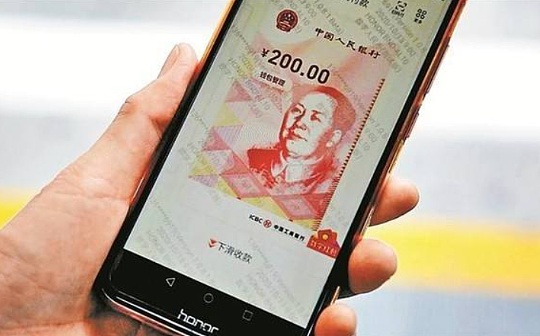
The Year of the Tiger is approaching, and the Beijing Winter Olympics will follow. Recently, digital yuan pilot application scenarios have continued to expand, and the number of digital yuan apps that have been online for less than a month has continued to rise in the application markets of many mainstream mobile phone brands. According to statistics from the Securities Times reporter, at the time of publication on January 28, the Huawei app market had accumulated 13.05 million downloads, the vivo app market had accumulated 10.68 million downloads, the Xiaomi app market had accumulated 5.07 million downloads, and the OPPO app market had 1.78 million downloads. The total number of downloads from the 4 stores has exceeded 30 million times. What is behind this set of data can be seen as the rapid implementation of the digital yuan in the consumer pilot scenario. From an industrial perspective, the Anxin Securities Research Report even bluntly stated that, based on estimates of commercial banking infrastructure and system transformation alone, the entire digital yuan transformation is expected to drive a total investment scale of 116.5 billion yuan. Listed companies with a digital currency concept have also become the focus of investors' attention. According to the reporter's statistics, in the past three months, investors asked 861 questions about digital yuan on the Shenzhen Stock Exchange interactive platform, and the Shanghai Stock Exchange e-Interactive also had more than 100 questions about digital yuan. In the secondary market, Wind data shows that in the past three months, the highest increase in the digital currency index has been over 36%. Although the market has been adjusted in recent days, the cumulative increase of the index has also reached 21%. In terms of individual stocks, the cumulative increase of New Cape was more than 91%, the cumulative increase of Hengbao shares was 51%, and the cumulative increase of Xindu, Hai Lian Jinhui, and Yingshisheng all exceeded 30%. However, there are also industry insiders who have indicated the risks of digital currency concept stocks. “The rise in the digital currency sector has mainly benefited from the digital yuan. The digital yuan is about to enter the full implementation stage. It is expected that the Winter Olympics will be the last round of piloting new scenarios, and the full implementation is also expected to change the current payment industry format, increasing the room for imagination about performance in related sectors, thus driving up stocks.” Pan He Lin, executive dean of the Institute of Digital Economics at Zhongnan University of Economics and Law, told reporters, “Investors should pay attention to the risks of individual stocks that rose a lot in the early period.” The rapid implementation of application scenarios As the countdown to the opening ceremony of the Beijing Winter Olympics enters and the Spring Festival in the Year of the Tiger approaches, there is frequent news that digital yuan is rapidly being implemented in pilot application scenarios. On January 18, the State Information Office held a press conference on 2021 financial statistics and revealed a set of data. As of December 31, 2021, more than 8.0851 million digital yuan pilot scenarios had been opened, with a total transaction amount of 87.565 billion yuan. The pilot effectively verified digital yuan business technology design and system stability, product ease of use and scenario applicability, and enhanced the public's understanding of the digital yuan design concept. This means that since 2021, the construction of the digital yuan scenario has accelerated, and online and offline expansion has continued. According to information, at present, the People's Bank of China has launched digital renminbi pilot projects in Shenzhen, Suzhou, Xiong'an, Chengdu, Shanghai, Hainan, Changsha, Xi'an, Qingdao, Dalian, etc., and the 2022 Beijing Winter Olympics scenario, which basically covers different regions such as the Yangtze River Delta, Pearl River Delta, Beijing-Tianjin-Hebei, central, western, northeast, and northwest China. It is worth mentioning that the Winter Olympics will be a new opportunity for the full promotion of digital yuan. The Guotai Junan Research Report believes that with the Winter Olympics approaching, digital currency may be further catalyzed. The digital yuan Winter Olympics scenario pilot will focus on areas within the Winter Olympics security red line, with the main goal of safeguarding and facilitating payment choices for domestic and foreign consumers. In addition to mobile app wallets, foreign consumers can also use digital yuan hardware wallets. This large-scale pilot is expected to be an opportunity to fully promote digital yuan. However, the current implementation of the digital yuan in the Beijing Winter Olympics scene can be described as having many highlights. On January 26, the reporter learned from the Beijing Financial Supervisory Authority that by the end of 2021, Beijing had opened more than 12 million digital renminbi personal wallets and more than 1.3 million public wallets, covering more than 400,000 Winter Olympics scenarios such as food, lodging, travel, shopping, entertainment, and medicine, with a transaction amount of 9.6 billion yuan. Zhou Maohua, a macro researcher at the Financial Markets Department of Everbright Bank, told the Securities Times reporter that digital yuan application scenarios are constantly expanding, mainly because digital yuan technology continues to mature, and related infrastructure is constantly being improved, laying a solid foundation for the promotion of digital yuan application scenarios. At the same time, speeding up the promotion of digital yuan objectively requires that digital yuan continue to enrich application scenarios, so that people can use it and actually experience the digital yuan usage experience. The user experience in this pilot scenario is also reflected in local life and e-commerce consumption platforms. On January 26, Meituan announced that it will open digital yuan payment channels for all offline consumption scenarios of the platform, including restaurants, takeout...

1666d agody zhang#Winter Olympics #Digital yuan #Securities Times
Li Lihui: Potential risks of stablecoins and coping strategies

Li Lihui: Potential risks of stablecoins and coping strategies

On December 28, the “2021 First Digital Finance Frontier Academic Conference” was successfully held online. The conference was hosted by the Tsinghua Digital Financial Asset Management Research Center and presided over by Professor Luo Mei, director of the center. Li Lihui, former governor of the Bank of China and an advisory member of the Tsinghua Digital Financial Asset Management Research Center, delivered a keynote speech entitled “Stablecoins: Potential Risks and Response Strategies”. This article is organized based on the content of the speech. Digital finance has developed rapidly in recent years, and digital currency is an important part of it. We collectively refer to forms of currency using digital technology as digital currencies, which can be broadly divided into fiat digital currencies and non-statutory cryptocurrencies. Illegal cryptocurrencies can also be divided into two major categories. One category is the so-called virtual currency, which generally lacks asset support and transaction prices fluctuate; the other category is the stablecoins we are focusing on today. Stablecoins claim to be anchored to sovereign currencies, supported by financial assets, and can maintain a stable value. The stablecoin market is developing rapidly and is highly concentrated. According to Coingecko's July data, the total market value of global stablecoins in early July exceeded 110 billion US dollars. The top 3 stablecoins account for 90% of them, of which USDT accounts for 64 billion US dollars, USDC is about 26 billion US dollars, and BinanceUSD is about 11 billion US dollars. Currently, all countries around the world lack clear legal regulations on stablecoins, lack effective financial supervision, and at the same time lack credible external audits. The largest financial market is in the US. Let's first focus on the dynamics of US stablecoins: First, the US President's Financial Markets Task Force recently published a “Stablecoin Report”. The “Report” defines stablecoins as digital assets designed to maintain a stable value relative to the domestic currency or other reference assets. Stablecoins and their activities carry the risk of speculative digital asset transactions, which may cause systemic financial risks. In response to these situations, the “Report” suggests that certain activities in the stablecoin mechanism should be defined as systemically important payment clearing and settlement activities as soon as possible and incorporated into the existing regulatory system. Furthermore, existing US laws will be added as soon as possible to restrict the activities of custodian wallet providers and stablecoin issuers in compliance with commercial institutional affiliations, so as to effectively manage the various risks associated with stablecoins and related activities. The second dynamic is Facebook's launch of Diem, an alternative to Libra, changing from targeting a basket of currencies in the past to a single pegged dollar. Diem's founding institution has a user base of more than 2 billion dollars around the world. Once approved, it is likely to rapidly develop into a supranational global currency, infiltrate the economic lives of ordinary people, comprehensively compete for traditional financial services, and form a multinational financial unicorn that surpasses banks, which may have a major impact on the existing financial system and monetary system. Since Diem's basic foundation is still the US dollar, it may also become a tool for the US to continue promoting the hegemony of the US dollar currency in the digital economy era. This may have an impact on the entry of China's digital yuan into the international market and affect the process of RMB internationalization. Whether the plan is finally approved remains to be seen. It is worth noting that a vice chairman of the Federal Reserve mentioned in a speech on June 29 that private institutions should support the issuance of stable coins with a reasonable structure, believing that it will support the role of the US dollar in the global economy. Stablecoin supporters believe that stablecoins may be widely used by households and businesses as a means of payment. If stablecoins are well-designed and properly regulated, they can support faster, more efficient, and more inclusive payment options. But at the same time, it is also important to be aware of the risks of such new financial products. China is a major economic country. Implementing a higher level of economic openness and financial openness, including opening up capital markets, has become a basic national policy. Although China explicitly prohibits virtual currency transactions, including stablecoins, stablecoins based on distributed architectures and decentralized agreements may still have an impact on China's financial market. Focusing on the future, we should actively cultivate the core competitiveness of digital finance, proactively respond to the impact of decentralized finance, protect investors' interests, maintain the stability of the financial market, and ensure the sustainable development of financial innovation. Specifically, there are the following three suggestions: First, make the digital yuan the best central bank digital currency in the world. Further improve the underlying technical structure and application scenario design, and strive to maintain the leading position of China's central bank's digital currency experiment in the world. Building the world's best central bank digital currency is not only conducive to promoting inclusive finance to effectively cope with the impact of virtual currency on the current monetary system and financial system, but also to promoting balance and coordination of the global monetary and financial system in the digital economy era. Second, build points...

1695d agody zhang#Digital Financial Asset Research Center #Li Lihui #stablecoins #tactics #risks
Li Lihui: Blockchain Technology Innovation and Industrial Upgrading

Li Lihui: Blockchain Technology Innovation and Industrial Upgrading

“Blockchain technology accelerates innovation, expands applications, and shows broad prospects in promoting industrial upgrading.” Mars Finance News: On October 26, the 7th Blockchain Global Summit hosted by Wanxiang Blockchain Lab officially opened in Shanghai. Li Lihui, former governor of the Bank of China and head of the Blockchain Research Working Group of the China Internet Finance Association, delivered the keynote speech on “Blockchain: Technological Innovation and Industrial Upgrading”. The following is the full text of the speech: General Secretary Xi Jinping pointed out two years ago that blockchain should be used as an important breakthrough for independent innovation of core technologies, clarify the main direction, increase investment, focus on overcoming a number of key core technologies, and accelerate the development of blockchain technology and industrial innovation. The “National Standardization Development Outline” issued by the Central Committee of the Communist Party of China and the State Council proposes to simultaneously deploy technology research and development, standard development, and industrial promotion in technology fields with broad application prospects, such as integration of the two, next-generation information technology, big data, blockchain, health, new energy, and new materials, to accelerate the pace of industrialization of new technologies. In the past two years, blockchain technology has accelerated innovation and expanded applications, showing broad prospects in promoting industrial upgrading. 1. Blockchain technology innovation strengthens digital trusted interaction. Blockchain solves trust problems through mathematical methods, and rules are expressed through algorithmic programs. As long as common algorithm programs are trusted, mutual trust can be established. This kind of digital trust is efficient, inexpensive and inclusive. The first is to form a trustworthy bond in an environment where trust is unknown or trust is weak, saving the time and cost required for credit formation and supporting commercial credit; the second is to establish zero-time difference and zero-distance authentication tools in wide-area, high-speed networks to improve the efficiency and reliability of the Internet of Things. Recent blockchain technology innovations focus on expanding interaction and storage capabilities. Cross-chain technology enables interoperability between blockchains and between blockchains and the Internet, and information and assets can circulate on a wider scale in a way that cannot be copied, falsified, or tampered with. Blockchain's distributed storage technology can store files in different spaces and generate proof of file storage authorization, which has certain advantages over traditional cloud storage in terms of reliability, edge storage costs, and data privacy protection. The information technology architecture we are familiar with is highly centralized and locally closed. The business society we are familiar with is where market players are independent and flat and interactive, and the traditional credit mechanism we are familiar with is self-contained and divided. By establishing a digital and trusted three-dimensional interactive architecture, blockchain technology has the potential to reinvent industries and business models and promote economic upgrading. The first is industrial logo analysis and equipment management. Achieve global unique identification management, solve the problem of equal communication between different identification and coding systems on the industrial Internet, build blockchain-based industrial identification infrastructure, implement industrial equipment identity management and equipment access control, and manage the entire life cycle of production processes such as product processing, assembly, and distribution, as well as product circulation, consumption, and recycling. The second is industrial chain collaboration. In an industrial chain collaborative network composed of core enterprises, suppliers, dealers, customers, etc., simultaneous data sharing and management coordination are realized, supply chain management is optimized, collaboration efficiency is improved, market response efficiency is improved, and product and capital allocation efficiency is improved. The third is supply chain finance. Establish a multi-party collaboration structure and trust mechanism to overcome the limitations of traditional commercial credit and transfer core enterprise credit to more levels; establish an ecosystem of mutual trust and exchange, reduce financing thresholds and financing costs, speed up logistics and capital turnover; and incorporate commercial agreements into smart contracts to prevent misappropriation of funds and malicious default. Fourth, rural revitalization. Build a digital platform for physical assets, digitize physical assets, map physical assets and their ownership and value at different points in time and location on the blockchain, form traceable, and tradable digital digital assets, carry out full-process operation and management, revitalize the value of physical assets, and help revitalize the countryside. For example, beef cattle have become tradable, traceable, and traceable digital assets on biological asset trusted supervision and financial service platforms. On the Pu'er tea blockchain platform, Pu'er tea can be verified and traced back to its roots, and can be stored centrally and traded separately, solving the problems of counterfeiting, difficult preservation, and inflated value of tea cakes in the Pu'er tea market. Fifth, smart cities. Integrate digital technologies such as blockchain, artificial intelligence, big data, and the Internet of Things to build the bottom layer of trusted data standards to support the digital upgrading of cities, and achieve real-time visualization of the entire state of the city. Achieve trustworthy personal identity, trustworthy asset ownership, trustworthy health status, and effective privacy protection in the field of citizenship; achieve intelligent public services, intelligent public management, and intelligent public supervision in the administrative field; and achieve distributed real-time monitoring of carbon emissions in the green economy...

1761d agody zhang#Industrial upgrade #innovations #Blockchain technology #Li Lihui
[Wanxiang Blockchain] The 2021 Wanxiang Blockchain Hackathon finals are in full swing, and Shanghai Blockchain International Week kicks off!

[Wanxiang Blockchain] The 2021 Wanxiang Blockchain Hackathon finals are in full swing, and Shanghai Blockchain International Week kicks off!

On the evening of October 22, with the opening ceremony of the 2021 Million Blockchain Hackathon, it marked the final stage of the competition and the entry into the 2021 Shanghai Blockchain International Week. This year's hackathon was hosted by Wanxiang Blockchain Labs. At the same time, Dfinity, Protocol Labs, Web3 Foundation, Qtum, and Moonbeam as competition sponsors also provided full support for event preparation and selection of outstanding projects. How blockchain can enable digital transformation is the core topic of the 2021 Shanghai Blockchain International Week. So what will the highly digital world look like in the future? The 2021 Wanxiang Blockchain Hackathon uses “Digital World 2077” as the challenge theme to encourage participants to think about how to integrate blockchain with new infrastructure digital technologies such as 5G, AI, and IoT to build a highly digital and intelligent future. At the same time, under this general theme, various sponsors also presented their own propositional challenges. The competition is divided into online preliminaries and offline finals. After more than two months of preliminary contests, more than 30 teams made it to the finals. Under the “Digital World 2077” challenge theme, contestants can also choose sponsor propositions and receive double rewards from the organizer and sponsor. The contestants are signing up to the organizer Wanxiang Blockchain Lab to set up four awards for this competition. The first prize team will receive a prize of 50,000 yuan and a chance to speak at the 7th Blockchain Global Summit; the two teams that won the second prize will each receive 30,000 yuan, and the three third prize teams will each receive a prize of 10,000 yuan. At the same time, all finalist teams can also share a community choice prize worth $5,000 based on online voting. At the ceremony, each sponsor also gave a detailed introduction to their propositions and rewards. Dfinity provides a total reward worth 14,500 US dollars, and expects developers in different fields to build Dapp projects with different application scenarios on Internet computers. Protocol Labs provides a total reward worth 15,000 US dollars. Developers with different experiences are welcome to enter from the perspective of decentralized storage of application data, simplifying the Filecoin development process, and connecting Filecoin to the Web3 world. The Web3 Foundation invites developers to develop innovative ideas that break the limits from the perspective of building parachains+independent chains, building alliance chains, smart contract-related, and blockchain tools based on the Substrate open source architecture. Successful projects will be recommended for the Web 3.0 Bootcamp/ Polkadot Decoded, free entry to the Substrate Course, and the opportunity to enter the next Substrate Seminar. Qtum provides a total reward worth 10,000 US dollars. Participants are invited to use Qtum as a foundation to implement the application of NFTs and help build smart cities. Moonbeam provides all winning teams with entrepreneurial and marketing resources, as well as a total reward of $8,000. Participants are invited to use Solidity on Moonbeam and use development tools such as Truffle, Hardhat, Remix, and Metamask to outline unlimited creative solutions. At the opening ceremony of the competition, a jury composed of a number of technical experts and representatives of investment institutions: Dr. Jia Yaoqi, head of Parity Asia; Wang Longfei, technology promotion engineer of Protocol Labs; Zheng Yi, core developer of quantum chain; Tang Yi, vice president of Qiming Venture Capital; Henry Duong, developer relations engineer of Moonbeam; Xiao Xiao, executive director of CFA/HashKey Capital Investment; and Hao Yukun, senior director of Shanghai Wanxiang Blockchain Co., Ltd., and Dfinity core technical engineers Paul Liu and Robert Yan, Technical Director at Near Asia, will review and guide the entries during the results presentation session on October 24. Promising teams can even get direct investment support! Since the Wanxiang Blockchain Hackathon was held, the Wanxiang Blockchain Hackathon has not only provided a platform for blockchain enthusiasts and developers to exchange underlying technology, but has also cultivated a large number of high-quality blockchain technical talents and contributed many ideas to the industry. Many winners and teams are still an important force in the industry. The start of the 2021 Wanxiang Blockchain Hackathon finals marks the official opening of the 2021 Shanghai Blockchain International Week. Following the October 22-24 hackathon...

1765d ago万向区块链#Universal blockchain
4-day countdown to Shanghai Blockchain International Week 2021! The stars were bright, and the guests at the summit revealed their secrets

4-day countdown to Shanghai Blockchain International Week 2021! The stars were bright, and the guests at the summit revealed their secrets

After months of careful planning and preparation, the 2021 Shanghai Blockchain International Week arrived late. There are only 4 days left until the opening of the event! The much-anticipated 7th Blockchain Global Summit has also announced the summit agenda and speakers. There are 7 roundtable forums, 3 fireside talks, 25 keynote speeches, and 50+ industry leaders. Come and see the summit's all-star lineup with Xiaowan! A big name in the industry, Dr. Xiao Feng, Vice Chairman and Executive Director of China Wanxiang Holdings and Chairman and General Manager of Wanxiang Blockchain, will deliver a welcome speech and final closing speech at the 7th Blockchain Global Summit. Dr. Xiao Feng is a PhD in economics from Nankai University. He has over 20 years of experience in the securities industry and asset management. As early as 2015, he keenly discovered the vast world behind blockchain technology and initiated the establishment of Wanxiang Blockchain Lab to explore infrastructure research and industrial applications of blockchain technology. He is a pioneer and evangelist in the blockchain industry. Mr. Li Lihui, former governor of the Bank of China and head of the Blockchain Research Working Group of the China Internet Finance Association, will give the opening speech at this summit. Since the Blockchain Global Summit 2017, Mr. Li Lihui has attended every summit and served as a guest speaker. From “Different Paths of Blockchain Technology Development” to “Digital Technology Changes Will Reshape the Economic Model”, Mr. Li Lihui summarized the development path of blockchain technology and put forward blockchain development suggestions. By predicting the changes that the development of digital technology will bring to our society, economy, and life, he helps enterprises and individuals seize the opportunities of the times. Mr. Ma Zhitao, Vice President and Chief Information Officer of WeBank, will once again be a guest speaker at this summit. At the 6th Blockchain Global Summit with the theme of “Integrated Innovation,” Mr. Ma Zhitao said in his speech “Building a “New Infrastructure” for the Digital Economy to Liberate Data Productivity” that only by integrating blockchain with other technologies such as artificial intelligence, cloud computing, and big data can form a digital “new infrastructure” solution. Let's wait and see what new views and insights Mr. Ma Zhitao will have at this year's summit. Well-known foreign researchers, represented by Turing Award winner Dr. Whitfield Diffie, senior consultant at Discreet Labs, and Robert Townsend, Elizabeth & James Killian chair professor at the MIT Department of Economics, will also connect to the summit site around the world to bring you world-leading academic research progress. Industry pioneers and global blockchain technology development leaders such as Vitalik Buterin, founder of Ethereum and chief scientist of Wanxiang Blockchain Lab, Dominic Williams, founder and chief scientist of Dfinity, Gavin Wood (Lin Jiawen), founder of Protocol Labs, and Juan Benet, founder of Protocol Labs, will deliver keynote speeches to share the progress and technological breakthroughs of cutting-edge global projects and discuss blockchain as a general purpose How can technology show application value on the path of digital transformation, thereby speeding up the construction of a new foundation for a high-quality and trustworthy digital economy and promoting the construction of information infrastructure. Diverse integration, exploring the infinite future of the metaverse Qiu Zhijie, dean and professor at the School of Intermedia Art at the China Academy of Art; Wang Yuwei, vice president of Wantong Investment Holdings Co., Ltd., publisher of “Art Business”, and special researcher at the Tsinghua University School of Social Sciences; NoVa, chairman of the Guojian Penglai PonlaII Administrator Conference; Chen Junhong, founder and CEO of Yunzhongzi Technology will revolve around the construction of the metaverse in detail from an artistic and technological perspective, to discover technical difficulties and actively seize global technological innovation Competitive highland. Guests including MixMarvel co-founder and CSO Mary Ma, Dapper Labs co-founder and chief commercial officer Mik Naayem, and Allison Sturges, head of global partnerships at Genies, will focus on the technical infrastructure of the metaverse and discuss how the development of underlying technology supports the upper-tier applications of the metaverse. Guests including Wu Xiankun, co-founder and president of rct AI, Borget, chief operating officer and co-founder of Sebastien Sandbox, and Zhang Zhongnan, CEO and co-founder of Alchemy NFT, will discuss topics such as metaverse application scenarios and business models in depth to explore the implementation of the metaverse...

1769d ago万向区块链#Universal blockchain
Uniswap's removal of some tokens sparked huge controversy or meant the beginning of “DeFi regulation”

Uniswap's removal of some tokens sparked huge controversy or meant the beginning of “DeFi regulation”

Wu said the author | Talk to the editor of this issue | Colin Wu On July 23, the famous Defi platform Uniswap posted an announcement saying that it would restrict some tokens. This move caused huge controversy on Twitter. Some users blamed Uniswap for not being a decentralized platform anymore. In response, Hayden Adams, founder of Uniswap, tweeted that the Uniswap protocol is a completely decentralized smart contract based on Ethereum, and app.uniswap.org is a website owned by Uniswap Labs. The Uniswap protocol has always been decentralized, but as a company, Uniswap Labs cannot allow users to do anything on the website it owns. In fact, we have seen that due to increased KYC and regulation of centralized exchanges, the vast majority of money laundering activities after hacking are carried out on decentralized exchanges. Uniswap's move may mark the beginning of regulation in the Defi sector. 1 The Defi field was indeed a “blind spot” for regulation before. Cryptocurrency is a new thing, and Defi is also a new thing in this field. It wasn't until a year ago that it really became popular, and it was obvious that regulatory attention could not be focused on such a fresh thing all of a sudden. The early cryptocurrency sector also lacked regulation. Take the Shapeshift website, founded in 2014 in Colorado, USA. This is a centralized cryptocurrency self-service trading site. Users can trade cryptocurrencies through it without registration. In the first few years of its establishment, it was possible to use it anonymously. Until 2018, after experiencing a bull market in cryptocurrencies, Shapeshift was noticed by the regulatory authorities and had to start requiring users to do KYC. At the beginning of this year, it began to transform into a Defi platform, and as a result, users are no longer required to do KYC. It can be seen that Defi is still in a blind spot of regulation. 2 According to regulators, “decentralization” is not an excuse for venture capitalists who have invested too much in the cryptocurrency sector. Fred Wilson from Union Square Ventures published a blog saying that blockchain, smart contracts, and decentralized platforms are all just software, and even if they break away from the company, they don't operate, so regulating them is tantamount to regulating software. As a venture capitalist, Fred Wilson has huge interests in the cryptocurrency space, so his statement is just one word. Regulators have begun to pay attention to Defi. In a speech on May 26 this year, SEC Chairman Gary Gensler already mentioned Defi. He said, “Cryptocurrency lending platforms and so-called DeFi platforms present a certain challenge for the SEC to protect investors.” Furthermore, since most Defi platforms issue governance tokens, based on past experience, these tokens are also unregistered securities according to SEC standards. US Commodity Futures Trading Commission member Dan M. Berkwitz's rhetoric is even sharper: not only do I think unlicensed DeFi derivatives markets are a 'bad idea', I even think they are illegal under (the Commodity Exchange Act). In China, Li Lihui, the former governor of the Bank of China, recently stated that in the application of decentralized finance agreements, open networks have no access restrictions, transparent capital flows are easy for traders to track, and transactions that are not centrally controlled refuse control and scrutiny by regulators. Therefore, it can be said that decentralized finance transactions can be anonymous, can cross borders, and are difficult to control. It may become a tool for illegal capital flows and speculative transactions. In the user terms of the derivatives DeFi platform dYdX, the first sentence is “Our perpetual contract does not provide services to any US resident”, which also contradicts Defi's decentralized spirit. Like Uniswap, most Defi platforms have operating entities, and these operating entities must comply with the rules of regulation. 3 Where will Defi regulation go in the future When it comes to regulation, I have to mention an organization, FATF, whose full name is the Financial Action Task Force, or Financial Action Task Force against Money Laundering. This is an international organization...

1853d agody zhang#Wu says blockchain is real