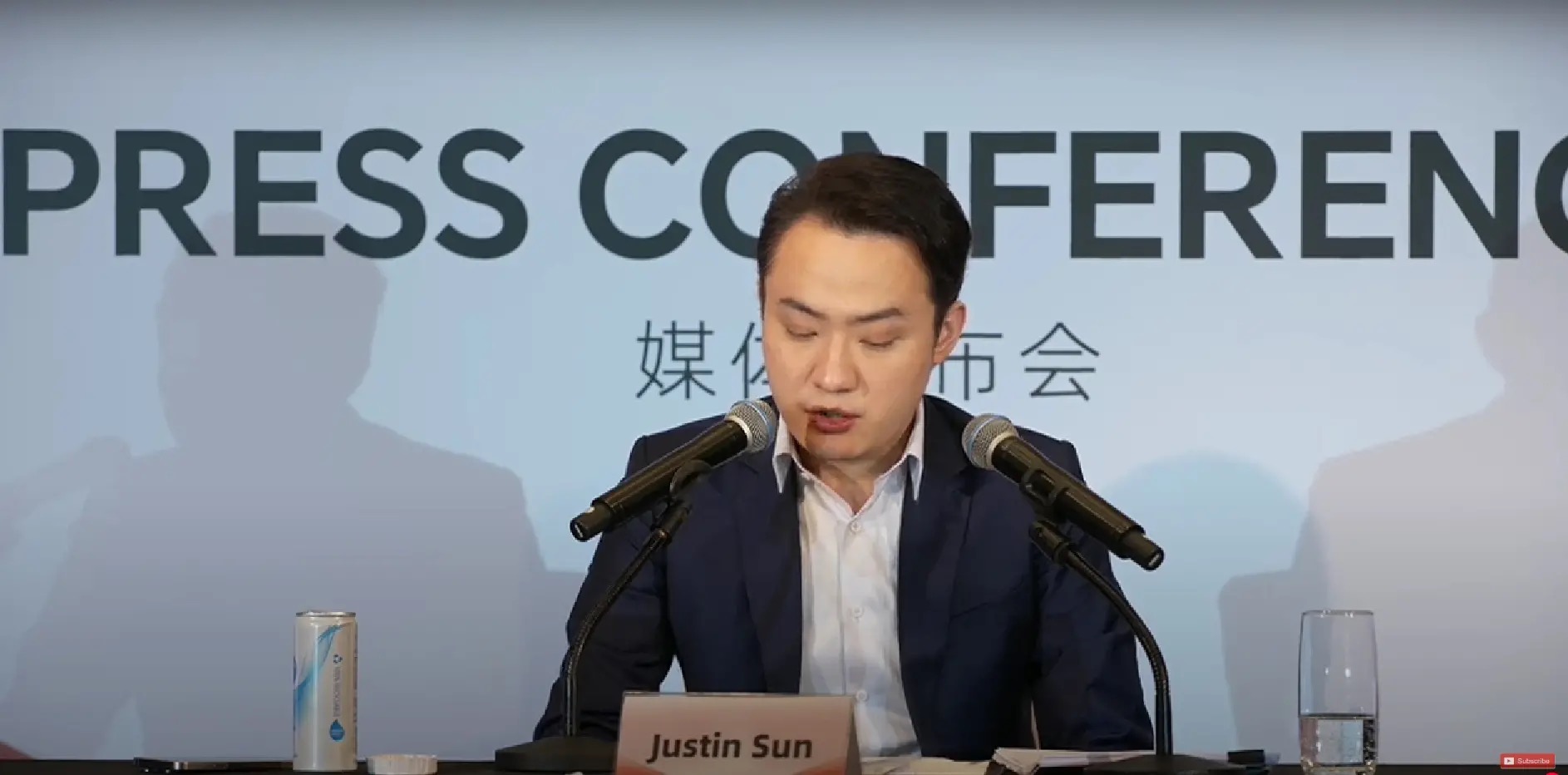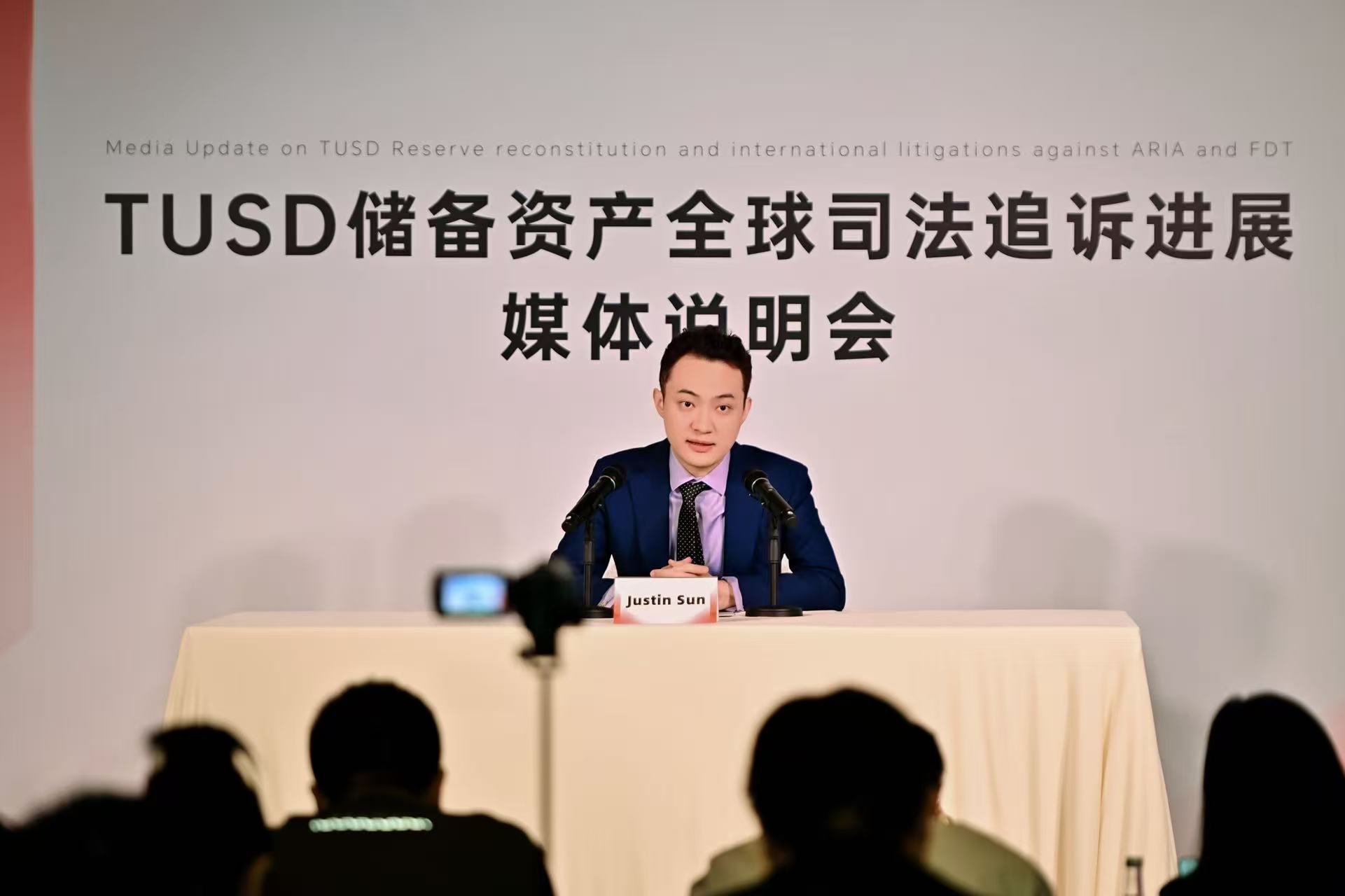
The case where TUSD reserve assets were misappropriated by the custodian ushered in positive developments: the institutional torture behind Sun Yuchen's assistance in defending rights and winning the lawsuit
Recently, regarding the case where the 500 million US dollar reserve assets of TrueUSD (TUSD) were illegally misappropriated by the custodian, the successful suspension section of TechteryX's rights protection supported by Bochang Tron founder Sun Yuchen; a global ban and freeze order issued by the Dubai International Financial Center Court (“DIFC Court”) has achieved phased results for the global recovery of TUSD reserve assets. In late October 2025, the DIFC court made a key ruling, issuing a global freeze order on funds involving approximately US$456 million in TUSD reserves. The funds were previously transferred by the custodian to the Dubai entity without full disclosure, triggering a crisis involving the trust. The DIFC court's ruling means that illegally misappropriated reserves are officially included in the legal protection framework, and it also injects strength into TUSD's continued stability and market trust. In the history of stablecoins, such cross-border judicial intervention is not uncommon, but the complexity of TUSD's scale and structure has made it a key event for the industry to re-examine “off-chain reserves” and custodian risks. 1. Reserves have been illegally transferred: According to the design of a black box structure combining trust loopholes and cross-border fraud, TUSD is a dollar-anchored stablecoin, and its reserves must be stored in a highly liquid and payable form, and managed by a third-party custodian. In 2020, after Techteryx completed the acquisition of TUSD, in accordance with the principle of business continuity, the management of reserves was entrusted to Hong Kong digital asset trusts First Digital Trust (FDT) and Legacy Trust under the arrangement of the original operator TrueCoin (TUSD side), which should have been a standard practice to implement the principle of “separate accounts and careful custody”. However, according to the indictment documents of the Hong Kong High Court and materials publicly disclosed by the Dubai courts, the actual operation of funds by the above trust institutions completely contradicts the public promise of “transparent escrow.” Following the TUSD reserve relationship chart, Techteryx “invested” hundreds of millions of dollars of reserves into a Cayman fund Aria Commodity Finance Fund (“ACFF”) under FDT's advice. Between 2021 and 2023, FDT and Legacy Trust continued to transfer funds to the accounts of Aria DMCC, a private Dubai company, without authorization from Techteryx and falsifying investment instructions. The relevant account holder had a family relationship with ACFF's fund manager Matthew Brittain, which meant that reserve assets were eventually transferred to a private entity linked to the manager. After Techteryx discovered that this batch of funds had been illegally misappropriated and transferred, Sun Yuchen provided financial support of 500 million US dollars to Techteryx with personal funds to protect the interests of TUSD holders. The DIFC court stated in the reasons for the judgment that the defendant was unable to reasonably explain why the funds were transferred to the affiliated company in an unauthorized manner. The true ownership of the funds lacked evidence to support them, and there was a real risk of “being further transferred.” As a result, freezing has become the only option that can “stop the bleeding first, then try.” 2. “Responsibility” at a critical moment sets a new benchmark for the industry. In order to prevent off-chain risks from spreading to the holder level, Sun Yuchen certainly chose to adopt the idea of “first ensuring stable operation, then fully prosecuting and collecting funds” before the judicial process was completed. Its core goal is not to replace custodian responsibilities, but rather to limit risk within the custodian side so that TUSD's payment order is not impacted by reserve disputes. Similar treatment methods have also played a key role in the history of traditional finance. For example, in 2008, J.P. Morgan Chase bought Bear Stearns (Bear Stearns) on an emergency basis under the coordination of the US Treasury Department. At the time, Bearsden faced bankruptcy due to rapid depletion of liquidity, and its default could quickly spread to the wider financial system. J.P. Morgan completed the undertaking in a very short time, stabilizing the asset security and market order of the relevant counterparty. The TUSD case had similar characteristics: the escrow system had a structural failure under the chain, and users were the most vulnerable. Under such circumstances, the third party undertakes funds at the crisis point, which not only protects users' rights and interests, but also gains a time window for subsequent cross-border prosecution. Therefore, the significance of Sun Yuchen's action lies not only in the specific amount of support, but also in establishing a logic of responsibility for the stablecoin industry that lacked clear practice before: when the chain is underpinned...
![[Comparative Daily News Picks] US Treasury Secretary Bezent: The size of stablecoins may grow to $300 billion by 2030; Canary XRP ETF has completed listing certification on the NASDAQ and will start trading when the market opens; Federal Reserve Speaker: Most local Federal Reserve Board members of the Federal Reserve are not active in cutting interest rates in December; SEC plans to introduce a “token taxonomy”: using the Howey test as an anchor to explore the path of non-securitization of crypto assets](https://www.bitpush.news/wp-content/uploads/2019/03/15509417815768901-200x140.png)