


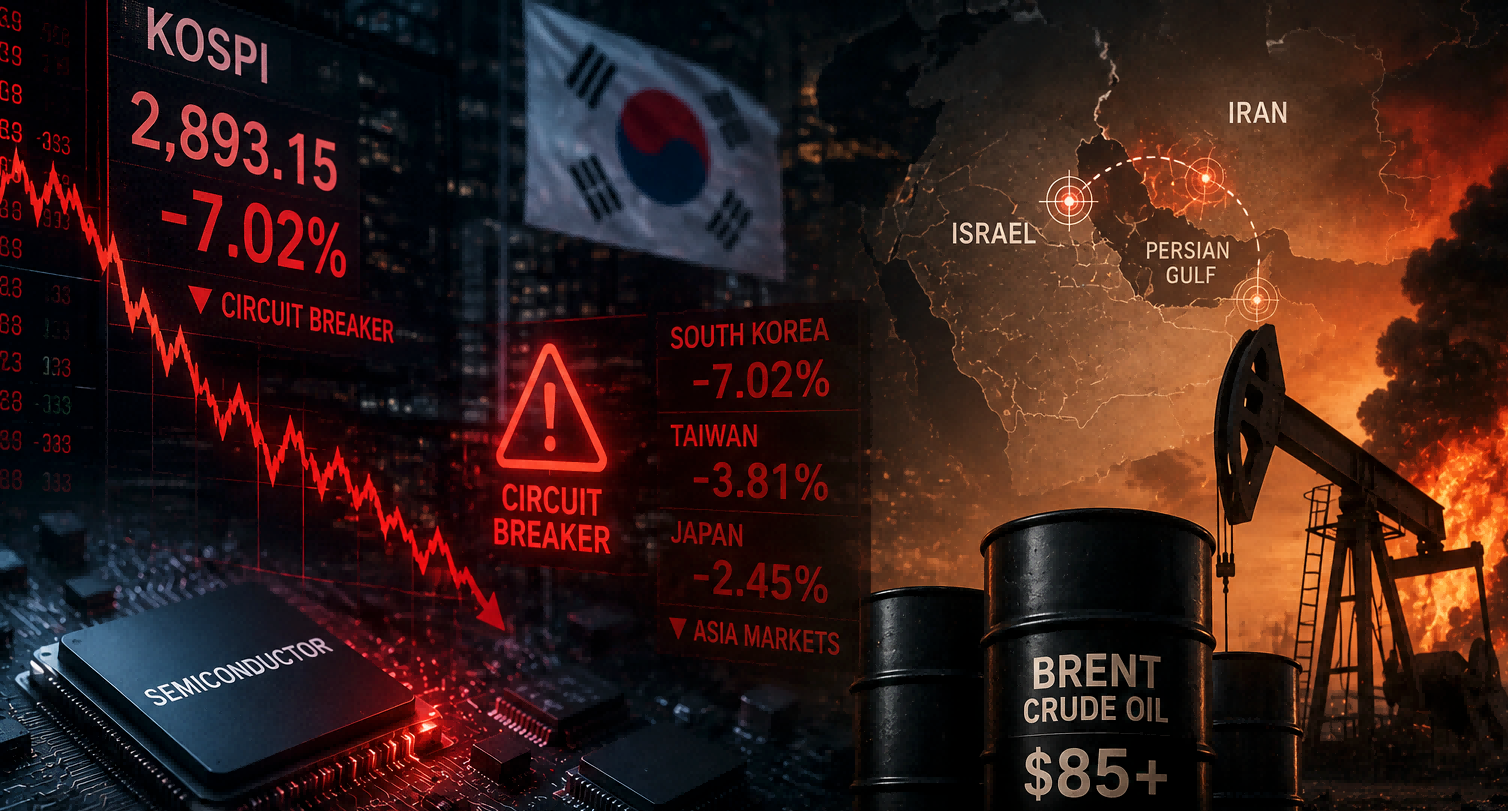
A wave of semiconductor sell-offs swept through Asia: Korean stocks plummeted 7%, triggering a meltdown, and the situation in the Middle East boosted oil supply above $85
Author: Zhao Ying
Original title: The wave of semiconductor sell-offs hit the Asia-Pacific stock market hard. Korean stocks plummeted 7% and triggered a meltdown, and oil rose four times in a row to reach 85 US dollars
A new round of semiconductor stock sell-offs has put pressure on Asian stock markets, and the sustainability of AI trading has once again been questioned. Meanwhile, the continuing rise in the Middle East situation has driven oil prices to rise for the fourth day in a row.
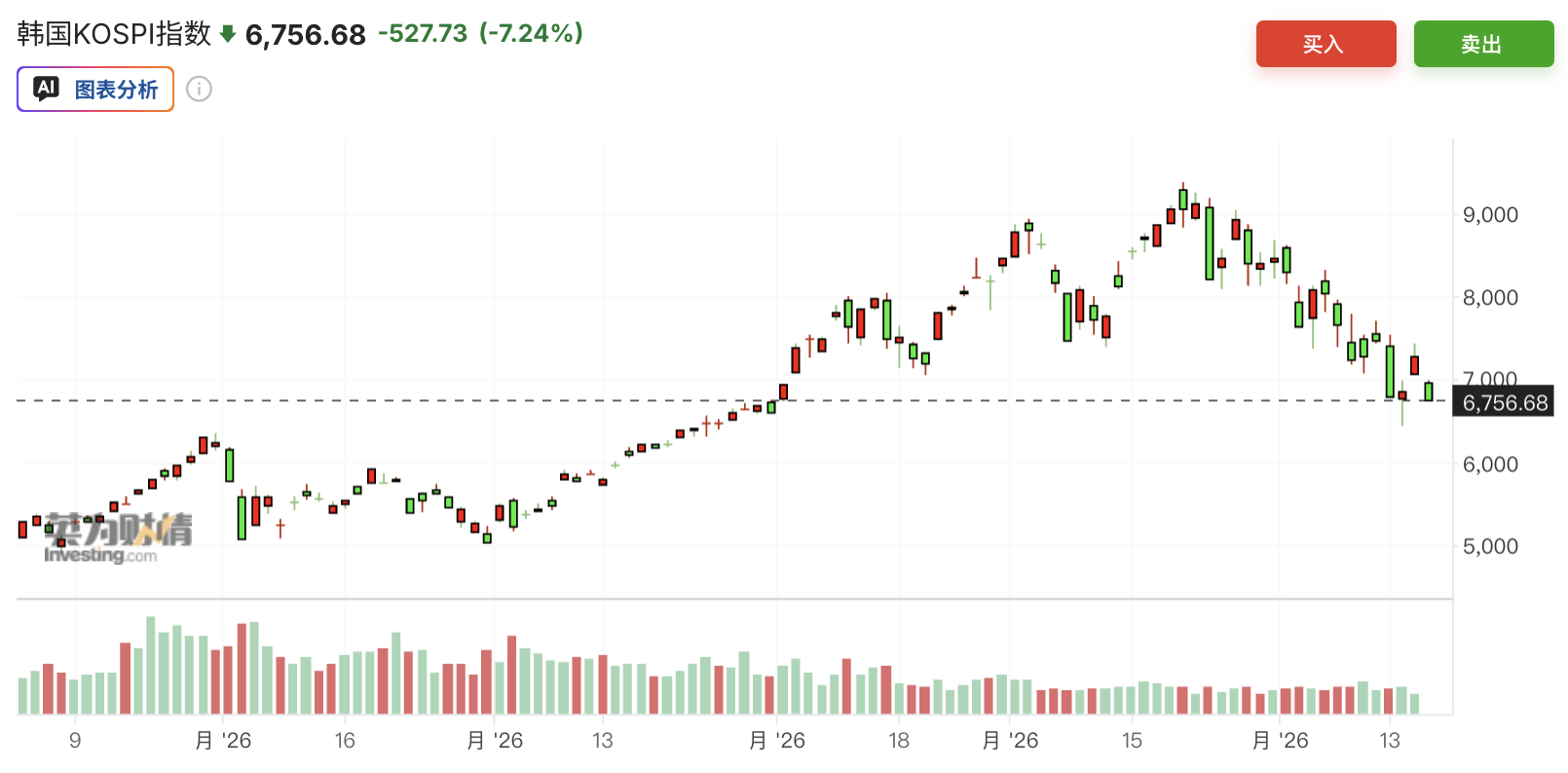
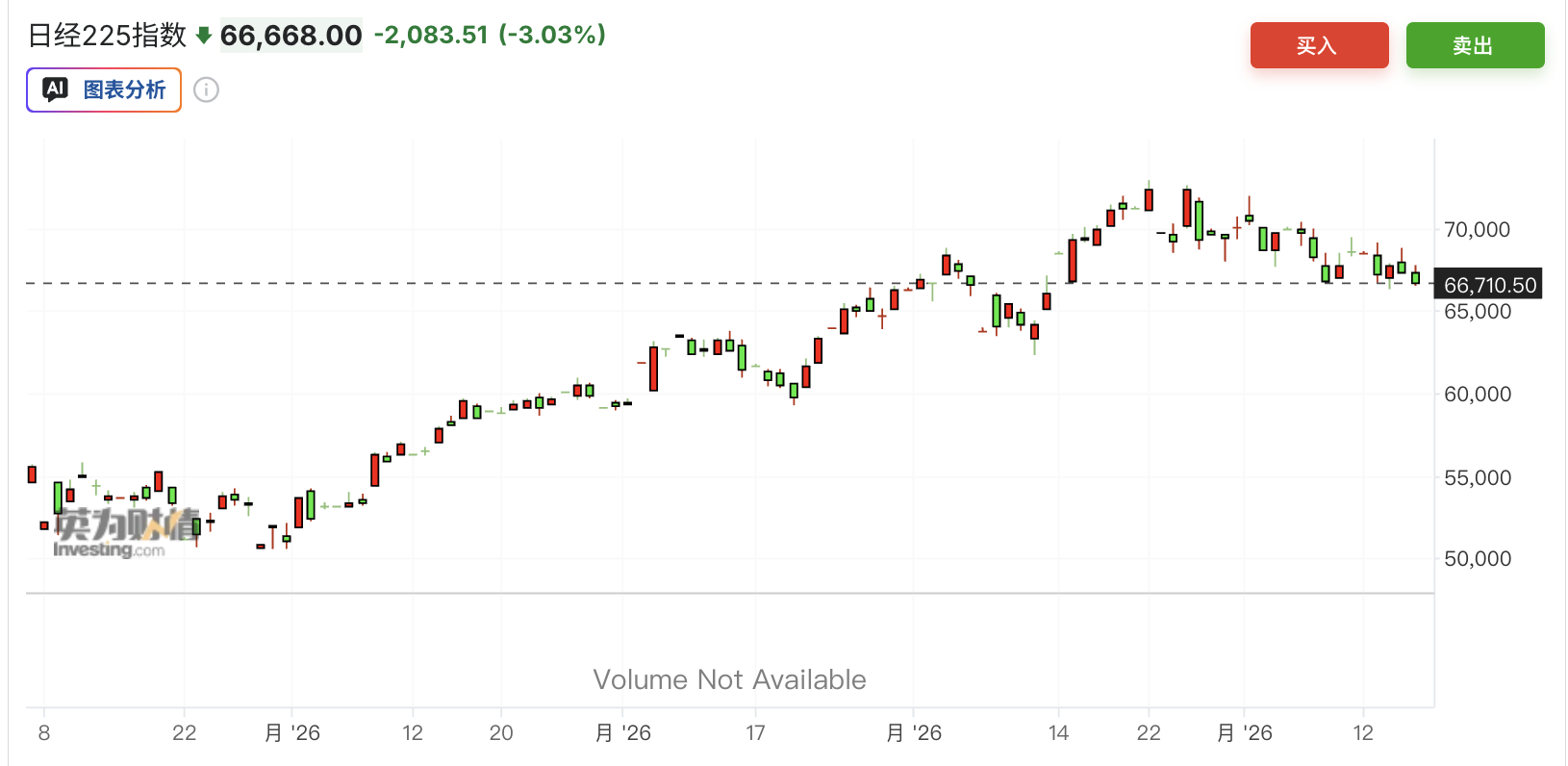
The decline in the Korea Composite Stock Price Index (Kospi) widened to more than 7% on Wednesday. SK Hynix and Samsung Electronics contributed a major part of the index's decline. The Tokyo-listed Kioxia Holdings fell more than 13%, and the Nikkei 225 index once extended to 3%. This round of sell-off dragged the MSCI Asia Pacific Stock Index down 1.5%, ending the previous two consecutive days of gains.
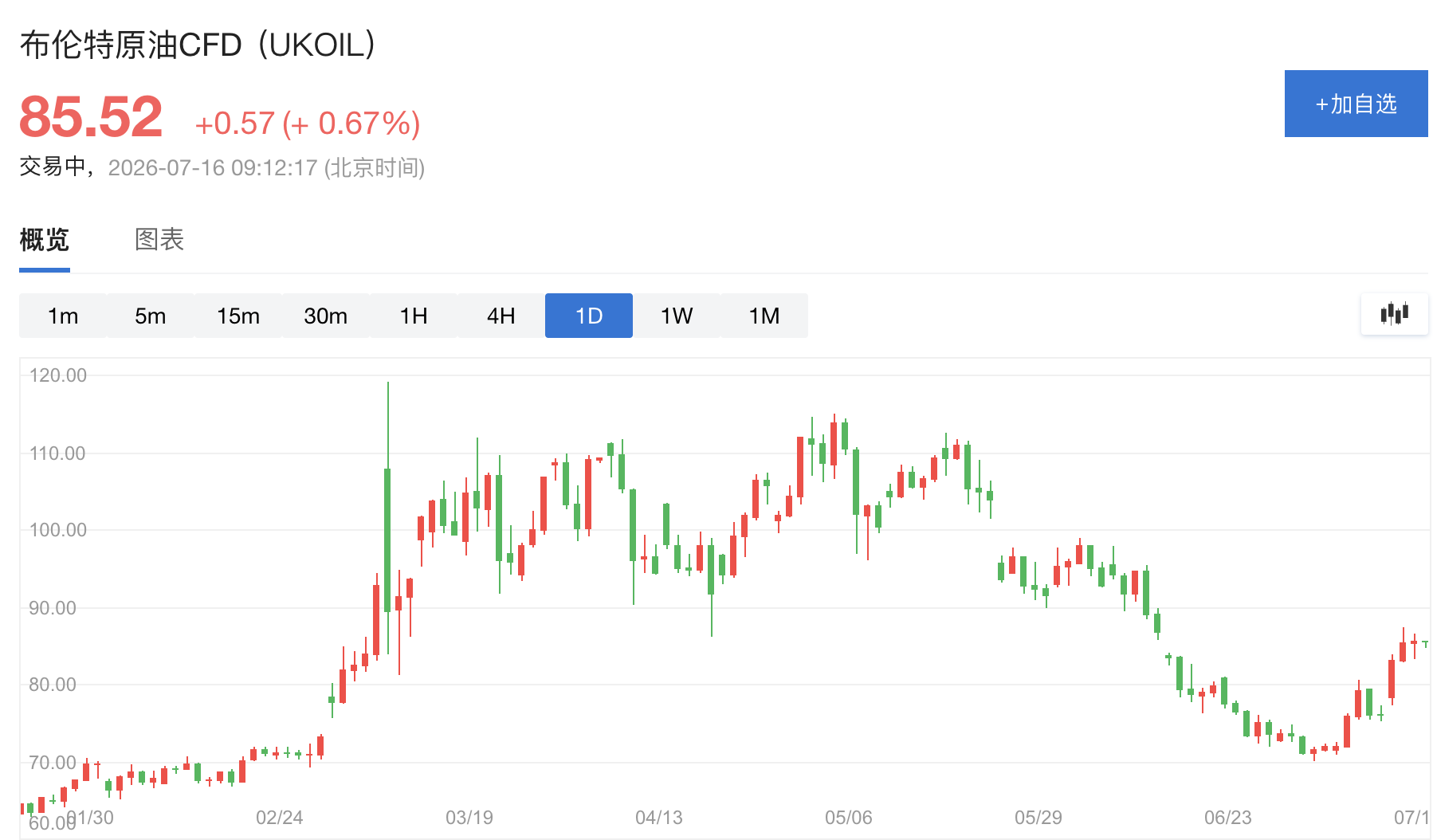
Meanwhile, Brent crude oil rose for the fourth day in a row, breaking through $85.25 per barrel. The launch of a new round of air strikes by the US against Iran heightened market concerns about the interruption of energy supply in the Middle East.
The chairman of the Korea Financial Services Committee said that the authorities will soon announce measures against leveraged ETFs to deal with the controversy that leveraged ETFs linked to Samsung and SK Hynix have increased stock market volatility. Furthermore, the Bank of Korea raised the benchmark interest rate from 2.50% to 2.75%, in line with market expectations.
The sell-off in chip stocks intensifies, and the resilience of AI transactions is being tested
The semiconductor sector continues to be under pressure and has become the core driving force behind this round of decline in Asian stock markets.
After several months of sharp increases in stock prices, investors are beginning to demand stronger evidence that the surge in AI capital spending can translate into continued profit growth throughout the semiconductor supply chain. Bloomberg strategist David Savage pointed out that the market's lukewarm reaction to ASML's impressive performance report has deepened a worrying trend — Samsung Electronics' strong initial performance and TSMC's steady sales data have so far failed to support the increasingly weak rise in chip stocks.
ASML previously raised its full-year sales forecast for the second time this year, and according to The Information, the company plans to raise prices for chip manufacturing equipment. The news quoted four people familiar with the matter. Despite this, the market reaction has remained lackluster. TSMC will release financial reports later in the day, which is seen as the next key point in evaluating the progress of AI infrastructure construction. David Savage said that as the company with the highest market capitalization in Asia, TSMC faces an extremely high threshold of expectations, and it remains to be seen whether it can reverse overall regional market sentiment.
The Korean market triggered a fusing mechanism, and the supervisory authorities made an urgent statement
The sharp decline in the Korean stock market triggered market protection mechanisms. Kospi 200 index futures fell by more than 5%, and the Korea Exchange immediately launched a “sidecar” mechanism to suspend Kospi's programmatic trading. The Nikkei 225 index's decline widened to 3% at one point.
The statement of the Chairman of the Korea Financial Services Committee reflects the high level of vigilance of the supervisory authorities about market fluctuations. Leveraged ETFs linked to Samsung and SK Hynix have recently been thought to have amplified stock price fluctuations to a certain extent, and the authorities promised to introduce countermeasures as soon as possible. The Bank of Korea announced an interest rate hike of 25 basis points on the same day, raising the benchmark interest rate to 2.75%, in line with market expectations.
The situation in the Middle East heats up, and oil prices continue to rise
Geopolitical risks have become another main line driving up oil prices.
The temporary peace agreement between the US and Iran signed about a month ago has almost completely broken down in the past week, and the dispute between the two sides over control of the Strait of Hormuz continues. Most energy exports from countries such as Saudi Arabia, Qatar, and the United Arab Emirates must be transported through this strait. Trump said the bombing will be intensified until Iran stops attacking ships in the Strait of Hormuz and agrees to open the waterway.
According to Xinhua News Agency, a spokesman for the Islamic Revolutionary Guard Corps of Iran posted on social media in the early morning of the 16th that Iran's current actions focus on destroying America's “offensive infrastructure” in the region, and that the next steps will be carried out later. The spokesperson wrote, “The enemy should not assume that they can continue to maintain the current fighting situation and drag the battle into a war of attrition.”
David Russell of TradeStation said, “There is no pressure from the Federal Reserve to raise interest rates in the short term, but in the longer term, oil prices are the dominant factor. The energy sector boosted the market in June, but if the Strait of Hormuz is delayed in opening, this history may soon be a thing of the past.”
Inflation data mitigates expectations of the Fed's interest rate hike, and the bond market strengthens
In addition to the turmoil in the stock market and oil market, the bond market is benefiting from the cooling of inflation data.
The US producer price index (PPI) for June fell short of expectations. On Wednesday, US bond prices rose, prompting traders to further lower their expectations for the Fed's interest rate hike this year. Driven by this, Australian and New Zealand government bonds strengthened at the same time. US two-year Treasury yields fell further from 2026 highs.
The core contradiction currently facing the market is that weakening inflation data provides room for the Federal Reserve to stand still, but the risk of rising energy prices brought about by the continued deterioration of the situation in the Middle East may re-open the valve of inflationary pressure on a longer scale, further complicating the monetary policy outlook.
Twitter:https://twitter.com/BitpushNewsCN
Compare the TG exchange group:https://t.me/BitPushCommunity
Compare TG subscriptions:https://t.me/bitpush
