
油价 · 1445

Analyst: Trump's economic isolation plan could trigger Iran to launch attacks across the Persian Gulf

Comparing the news, analysts said that US President Trump is trying to achieve the unattainable goal of tens of thousands of bombs and missiles through a new round of sanctions, maritime blockades, and increased economic pressure on Iran's trading partners — forcing Iran to end the war on terms proposed by the US. However, there is a fatal blockage in this old path of forcing Iran to follow suit: the Islamic Revolutionary Guard Corps of Iran has actually taken control of the Strait of Hormuz and has launched a large number of attack drones in the direction of the Persian Gulf. The Revolutionary Guard is basically immune to economic pressure, and it also has plenty of means of retaliation. The key point in America's round of action is Monday, when Treasury Secretary Bezent will announce the details of a new plan. The plan is to shift the method of conflict from mutual air raids in the Middle East region to complete economic isolation. However, once the new economic pressure actually works, Iran is likely to use military strikes back and forth, targeting energy facilities along the Persian Gulf coast in an attempt to push up oil prices and raise America's operational costs, and force Trump to change course again.

6h ago

FT: The economy was under pressure in the Trump era, oil prices rose at the same time as mortgage interest rates, and US debt surpassed $40 trillion

Comparing news, the Financial Times article said that the Trump administration's economic policy is facing multiple pressures: US federal debt has surpassed 40 trillion US dollars, long-term US bond yields have risen to a 19-year high, the Iran war has driven up energy prices, and mortgage interest rates have continued to rise. This week, the US long-term treasury bond market experienced sharp fluctuations. Investors are driving long-term US bond yields higher due to concerns about the expansion of government borrowing and the risk of inflation brought about by the war. US Treasury Secretary Bezent then announced an expansion of the long-term treasury bond repurchase program and plans to introduce measures to reduce the fiscal deficit, but the market response was limited, and the US dollar weakened. According to the data, the size of the US government debt surpassed 40 trillion US dollars for the first time this week, and the growth rate of federal spending reached the fastest level since the pandemic. The US fiscal deficit fell only slightly to 5.8% of GDP in FY2025, and Trump's tax cuts are expected to further increase fiscal pressure in the future. On the energy side, the US-Iran conflict is driving up fuel prices in the US. The price of gasoline rose by about 40% from before the war, to $4.11 per gallon; the price of diesel rose to $5.58 per gallon. Rising energy costs have weakened Trump's previous policy goals of reducing living costs and energy prices. The housing market was also under pressure, and interest rates on 30-year US mortgages rose to 6.65%, up from 5.98% before the war broke out. Meanwhile, consumer inflation in the US rose to a three-year high of 4.2% in May and fell back to 3.4% in July, but Federal Reserve officials are still worried that inflationary pressure continues. Although the US economy is still supported by consumer spending and AI infrastructure investment by big tech companies, the growth rate is below the government's previous target. The annualized growth rate of US GDP in the second quarter of 2026 was about 1.5%, lower than the previously proposed growth forecast of 3% or more. Market participants believe that high debt, high financing costs, and rising energy prices are weakening consumer confidence and may become important political pressures facing the Trump administration. Bessent said that the US is still expected to improve its fiscal situation through economic growth.

16h ago

UBS raised the S&P 500 target level, optimistic that AI and profit growth will continue to drive the bull market

Comparatively, UBS raised its target level in the S&P 500 index. It is expected that the target level in December 2026 will rise to 8100 points, and the target level will rise further to 8,400 points in June 2027, due to strong corporate profit growth and continued economic resilience. UBS expects S&P 500 earnings per share (EPS) to reach $350 in 2026 and $400 in 2027, mainly driven by performance in the technology, semiconductor and energy industries. The bank continues to be optimistic that the US economy will remain resilient, the Federal Reserve's policy will remain patient, and the application of artificial intelligence will accelerate, believing that there is still room for continuation of the current bull market. However, UBS also suggests potential risks, including factors such as rising oil prices, re-heating inflation, and falling short of expectations in AI investment, which may put pressure on market valuations and upward momentum.

1d ago

Analysis: Over 2 million BTC traded hands in the $62,000-$640,000 range, or formed significant support

Comparing news, trader Murphy (@Murphychen888) posted an article on the X platform saying that BTC had not experienced a significant decline due to multiple negative effects such as a pullback in US stocks, Strategy's sale of BTC, and a rebound in oil prices, which may be related to its chip structure. According to the data, about 2 million or more BTC were traded centrally in the range of $62,000 to $64,000, making a large number of holders closer in cost and less willing to sell in the short term. It said that after that, BTC experienced low volatility for nearly two months, and rapidly rose from $64,000 to $75,000 in 3 days, but chips around $63,000 did not decrease significantly. At the same time, chips in the $68,000 to $74,000 range were still relatively sparse, which meant that holders of concentrated areas had not stopped profits on a large scale before. It is predicted that as prices continue to rise, chips may gradually loosen and form a new chip-intensive zone; if no new effective support is formed, BTC may test the strength of the $62,000-$63,000 chip-intensive area again.

1d ago

Iranian official: Plans to attack crude oil export facilities with the intention of attacking Trump before the US midterm elections

In comparison, a senior Iranian official said that Tehran plans to attack oil export facilities in the Gulf region, targeting Saudi Arabia's Yanbu oil pipeline and the UAE's Fujairah oil terminal, with the intention of boosting US gasoline prices and influencing the November midterm elections. Together, the two facilities process approximately 5.5 million barrels of oil per day.

1d ago
Traffic in Hormuz has plummeted, yet the price of oil has not reached the $100 mark

Traffic in Hormuz has plummeted, yet the price of oil has not reached the $100 mark

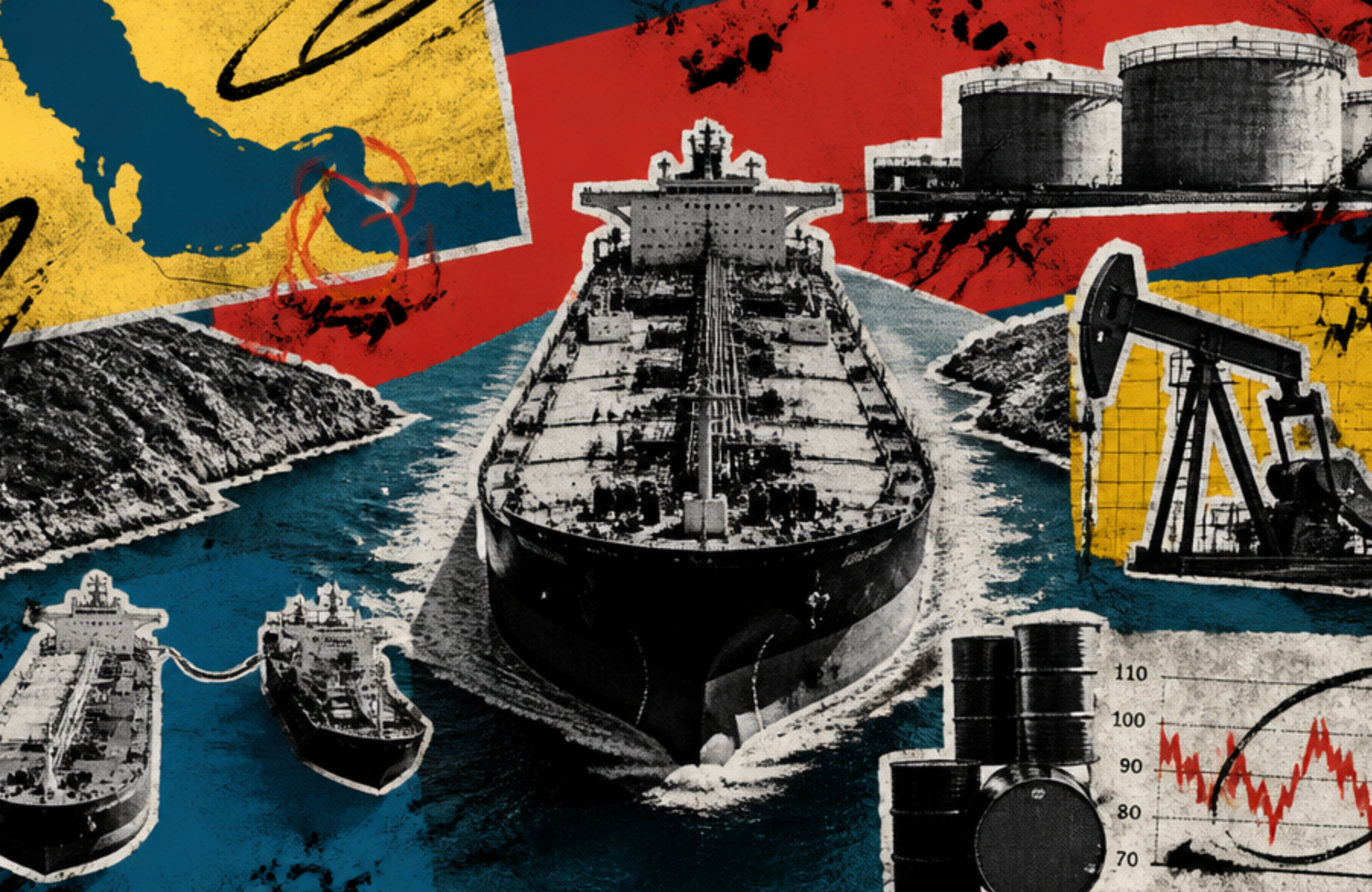
Author: Huohuo Original title: Hormuz traffic has plummeted once again. Why haven't oil prices stabilized above $100? TL; DR · Some daily traffic levels in Hormuz fell to a very low level, but Brent did not continue to stand at $100. · The market is temporarily betting that inventory, transit, alternative exports, and buyer detours can absorb some of the impact. · Related subjects: BRENT/WTI crude oil, energy ETFs, oil tankers, independent Chinese refineries, diesel chains, gold. Since August, shipping tracking and media reports have shown that daily traffic volume in parts of the Strait of Hormuz has dropped to a very low level, and there are even statistics that almost no tankers pass through. But Brent crude did not stand at $100 continuously. After a brief surge in late July, it has recently been back around $90 for more time. This is where the current energy market needs the most explanation. Around 2024, about 20 million barrels/day of oil products passed through Hormuz, accounting for about 27% of global shipping oil, and LNG (liquefied natural gas) also accounts for about one-fifth of global trade. According to the traditional pricing framework, this area has been threatened for a long time, and oil prices should quickly be included in the supply cutoff premium. The answer given by Hormuz, which affects the oil and gas trade market, is now more restrained. The risk has not disappeared, but investors are temporarily convinced that inventory releases, trans-shipment outside the bay, and alternative export and shipping arrangements can share the impact. The oil price transaction is not “strait safety,” but “strait traffic becomes more expensive.” The US-Iran impasse provides the political context for this round of reevaluation. According to reports, the two sides are in dispute over the implementation conditions of the June Interim Memorandum. The US maintains blockade and sanctions pressure, while Iran requires that normal traffic be resumed only after the conditions are implemented. When the dispute hits the market, it's actually a matter of cost allocation: who bears the higher risk of insurance, financing, voyage, and sanctions. The worst case scenario for oil prices has yet to be traded. Currently, the market is not pricing Hormuz as a long-term complete supply cut. If investors believe that 20 million barrels/day of marine oil will disappear for a long time, it is difficult for Brent to repeat it around $90. The price did not continue to stand at $100, which means traders are more likely to understand it as blocked access, rising costs, and delayed delivery rather than a broken supply chain. There is still statistical noise here after Brent rushing higher and falling back. The sharp drop in some daily traffic volume may be due to ships shutting down AIS positioning, short-term waiting for shipowners, differences in data source screening, and may also indicate that commercial shipowners are unwilling to enter high-risk waters. The former is closer to data distortion, and only then will the latter cause a continuous supply shock. Therefore, oil prices have not stabilized above $100. It's not that Hormuz is unimportant, but that the market is still waiting for tougher verification. Whether Iran can continue to expand its attacks, whether the US escalates the blockade to more direct action, and whether Asian buyers can bypass shipping and sanctions restrictions will all change this pricing. The buffer mechanism split the shock into multiple segments where oil prices did not immediately get out of control. One of the core reasons was that the shock did not hit the terminal supply all at once, but was broken down into inventory, shipping, trade, and finance. The most immediate buffer comes from inventory and alternative supply expectations. Strategic oil reserves, coordinated international releases, idle OPEC+ production capacity, and Saudi Arabia and the UAE's export capacity outside the strait may weaken the impact of single channel disruptions on spot prices. They can't be used indefinitely, but they are enough to keep the market from pricing in disaster scenarios for a while. The detour capacity only covers part of the second layer of buffering from ship-to-ship transfers. Some cargo can be moved around Fujairah or the Gulf of Oman and then re-routed. This increases insurance, waiting times, and operating costs, but allows the logistics of goods to remain flexible. The third layer of buffering comes from the choice of buyers and shipowners. Some Asian buyers and shipowners may switch to off-bay loading, transshipment, or delayed port of call arrangements, and LNG transportation may also take similar safe-haven actions. As a result, a decrease in traffic volume in Hormuz does not necessarily equal a simultaneous decline in the amount of oil and gas available globally. That's the heart of current pricing. The physical risk remains, but it is being shared by financial inventories, shipping engineering, and trade arrangements. Oil prices haven't exploded because the system is still running. The reason why oil prices are not falling is because the system is more expensive to operate. Impacts are absorbed in segments, and long-term costs are buffered into the supply chain in the short term, and the more effective it is to invest in long-term restructuring. Saudi Arabia and the UAE are promoting off-strait reserves, Fujairah transit, and alternative export capacity, and discussions on pipeline and port investment in the region that bypass Hormuz are heating up, all pointing in the same direction: the energy chain is reducing its dependence on single-point traffic. This type of restructuring will not immediately change the global supply and demand schedule. The new pipeline requires financing, construction, and safety conditions, and the expansion of strategic reserves will take time...

2d ago律动BlockBeats#ETF #gold
Is “Cow Lai” really here? Bitcoin skyrocketed, and $2,743 billion bears were brutally liquidated

Is “Cow Lai” really here? Bitcoin skyrocketed, and $2,743 billion bears were brutally liquidated

Source: PanNews Author: Nancy Original title: Is “Cow Coming” Really Here? Bitcoin changed overnight, and bears hit the main points of the biggest liquidation day in history: Bitcoin rebounded strongly on August 19, with an intraday increase of more than 7.4%, once approaching 70,000 US dollars, a new high since the beginning of June; Ethereum simultaneously broke through 2,300 US dollars. Over the past 24 hours, the entire network closed out more than 2,986 billion US dollars, of which short liquidations reached 2,743 billion US dollars, setting a new record for short liquidation in a single day. The recovery in the market was driven by multiple factors: the US Treasury expanded the scale of long-term treasury bond repurchases to improve liquidity; the SEC proposed new crypto asset issuance rules to exempt some registration requirements; and Trump met with crypto business executives and made supporting remarks, urging Congress to pass the Clarity Act. Furthermore, the net inflow of Bitcoin spot ETFs has exceeded US$480 million in the past two days, causing large-scale short liquidation effects. On-chain data shows that spot demand is about to improve, with a median increase of about 18.1% over the next 60 days. However, Glassnode pointed out that high real interest rates are still a suppressing factor, the market is still bottoming out, and the capitulation is not completely over. VanEck believes that 8 of the 12 capitulation indicators have been triggered, but this is not a sign of bottoming out. The potential cumulative window may be from September to November. Standard Chartered Bank expects Bitcoin to rise to 100,000 US dollars by the end of 2026. If it effectively breaks through $65,500, it may confirm the low in the cycle. CEO Strive believes that the long-term downward trend in the US dollar may bring the strongest macro tailwind to Bitcoin. Overall, there are positive signs in the market, but continued strengthening still requires verification of demand, liquidity, and macro environment, and investors should maintain reasonable positions. While the movie “Cow Lai” continues to be popular, the market's expectations for a “return to the bull market” are also constantly being ignited. Coincidentally, the crypto market also suddenly ushered in a long-lost “bull attack”. Bitcoin's strong counterattack overnight led to a collective recovery of the market. For the crypto market, which has been dormant for a long time, this surge not only means a breakthrough in price, but also a return to market volatility. After the market heated up rapidly, market sentiment was instantly ignited, and coin industry players even ridiculed that “native families are finally getting better.” Meanwhile, this sudden strong rebound also simultaneously triggered a single-day liquidation wave of bears on an astonishing scale. Bitcoin fought back strongly. On the evening of August 19, the bears experienced the biggest wave of liquidation in history. On the evening of August 19, Bitcoin broke out of a long-lost positive line and strongly broke through the consolidation range that continued for several months. According to CoinGecko data, Bitcoin suddenly experienced a strong rebound, with an intraday increase of more than 7.4%, once approaching 70,000 US dollars, a new high since the beginning of June. Ethereum strengthened at the same time. At one point, the price broke through 2,300 US dollars, reaching a new high of nearly three months. Mainstream assets rose collectively, rapidly driving the overall recovery of the crypto market. Over the past 24 hours, the total crypto market capitalization has risen by around 7.5%, recovering to around $2.46 trillion. However, this sudden surge also turned into a large-scale bear slaughter. According to CoinGlass data, the total amount of online liquidations in the past 24 hours has exceeded 2,986 billion US dollars, and more than 175,000 traders have been forced to close their positions. Among them, the biggest single liquidation occurred in the BTC-USD contract on the Hyperliquid platform, which amounted to about US$48.8 million. Judging from the historical scale, this wave of liquidations has surpassed the single-day liquidation record of about 2.23 billion US dollars during the “tariff shock” in February 2025, ranking the eighth largest liquidation event in crypto history. What is more noteworthy is that this liquidation almost showed a one-sided pattern of bears squeezing. According to CoinGlass data, in the past 24 hours, the amount of short liquidation reached US$2,743 million, far exceeding the liquidation scale of about US$243 million for longs. This figure even surpassed the scale of short liquidations of about 2.46 billion US dollars on the largest settlement date in history on October 10, 2025, setting a new record for the scale of short liquidations in a single day in the crypto market. The crypto market welcomed multiple benefits. Trump's bullish remarks ignited optimism behind the collective reversal of the crypto market's decline, mainly driven by multiple factors such as improved macro liquidity, bearish shortfall, regulatory optimism, and the return of ETF funds. At the macro level, the US Treasury expanded the scale of long-term treasury bond repurchases, which became the core trigger for this round of market recovery. The Ministry of Finance announced that it will double the maximum limit of liquidity support repurchases of 10-year to 30-year treasury bonds from at least US$2 billion to US$4 billion. The measures will be implemented on September 9 and will continue until November 4. The market generally interpreted this as strong support for the liquidity of the treasury bond market, which effectively lowered long-term yields. The yield on 30-year treasury bonds declined markedly from a high level of about 5.33% to 5.34%. And the decline in US bond yields...

2d ago22#Blood washes empty heads

Tracking the situation in the Middle East: Iran says it will announce the new Hormuz channel; the US side says it has forced 65 merchant ships to be re-routed

Comparing news, the situation in the Middle East continues to be tense. Iran warned that if the US escalates military action, it may consider attacking military targets in Europe; at the same time, Iran said that any country providing any assistance to the US military will be regarded as participating in military operations against Iraq. On the Strait of Hormuz issue, US President Trump stated that the US has full control over the strait, adding that it may continue to maintain the blockade in the future while reducing the strategic importance of the strait by building more pipelines. Iran, on the other hand, said that the current discussions with Oman only concern Hormuz affairs. Iranian lawmakers said that the two sides will soon issue a joint statement announcing a new strait channel. The US Central Command said that as of August 19, the US action had forced 65 merchant ships to change their routes, causing 3 ships to lose their ability to operate, and to board and inspect 2 ships to ensure that they comply with the relevant requirements. At the diplomatic level, Trump said negotiations with Iran might take place in due course, but Iran denied that it is in direct dialogue with the US. Iranian Parliament Speaker Kalibaf said that the purpose of visiting Iraq was to promote the establishment of a new regional order and strengthen cooperation among countries in the region without external interference. Furthermore, the governor of Iran's central bank said that up to now, no funds have been unfrozen in the framework of the agreement; Iran's foreign minister spoke with the Pakistani army commander to discuss the regional situation and promote a political and diplomatic solution. On the other hand, Israel's ambassador to the US said that there is no need for the Israeli military to withdraw until Hamas is completely disarmed; NATO officials said that the Jordanian air defense system had intercepted ballistic missiles flying from Iran to Turkey four times, and emphasized that NATO's defense posture is strong and effective. In terms of the energy market, the market continues to pay attention to the risk in the Strait of Hormuz, and crude oil prices remain high due to regional tension. According to Iraqi media, Iran has received 7.5 billion US dollars of oil-related foreign exchange revenue in the first four months of this year; the vice chairman of the Yemeni Presidential Council said that it has cut off maritime supply lines and smuggling channels between Iran and the Houthis.

2d ago

Trump: Negotiations with Iran may take place at some point

Comparative news. According to Kim Ju's report, US President Trump said that negotiations with Iran may take place at some point. Iran cannot have nuclear weapons because they will use them. A lot of boats passed through the Strait of Hormuz last night. When all this comes to an end, oil prices will drop drastically.

3d ago

US long-term bond yields fall as bond sell-off eases

Comparative news is that as bond sell-offs ease, US long-term bond yields have declined. The 30-year yield fell back from 5.284% to 5.19%, and the 10-year yield fell from 4.706% to 4.62%. The confrontation in the Strait of Hormuz continued, and oil prices remained around $90, heightening concerns about inflation. This article is sponsored by GENG, Build Your Fortune on GENG (https://geng.one)

3d agoburnking