


Web3 Browsers: A Must-Have Tool for the Decentralized World

By Alan
Web service software programs enable communication between computers via the Internet; web services usually take the form of an application programming interface (API). In a way, the web is a collection of relevant hypertext materials that can be accessed online. For example, users check multimedia pages using a web browser and jump between them using hyperlinks.
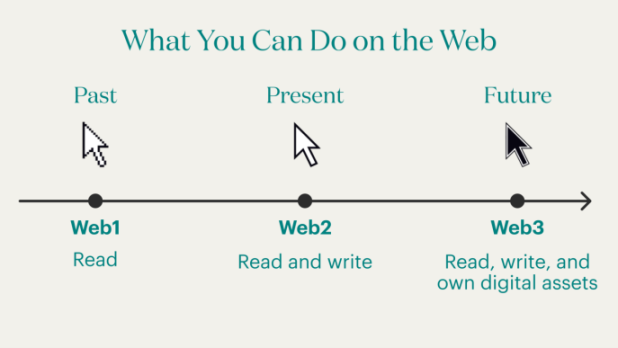
Web3 refers to multiple evolutions of web interactions and uses along various paths, including creating geospatial networks, using artificial intelligence tools, and delivering content through many non-browser applications or Web3 browsers to enable users to read, write, and own digital assets.
The Web3 browser introduces users to a new world of decentralized applications (dApps) and digital economies, allows users to access dApps, integrates cryptocurrencies through decentralized networks, and gives users greater privacy and security.
Web3 Browser Features
Other Web3 technologies, such as distributed ledgers, artificial intelligence, and the metaverse, aim to create a next-generation internet accessible to all, while Web3 browsers help users interact with decentralized applications based on blockchain technology.
Key features of Web3 browsers include:
an immutable ecosystem (that is, users will download and trust the digital product according to the original creator's digital rules);
enhance transparency and security;
faster browsing performance;
enhance user anonymity and confidentiality;
Integrate cryptocurrency wallets in the form of multiple chains;
Manage content in a decentralized manner.
Additionally, search engines can find automatically tagged miniature text in Web3 to convert countless important Web1 content (macro content) into micro content (micro content). Since tagging can somewhat eliminate the uncertainty of introducing ideas and synonyms into the search process, the end result is likely to be a more accurate search.
The core idea of Web3 is that by using cryptography and public blockchains, traditional centralized institutions eliminate control over users, and return control from enterprises to users.
Although current Web3 browsers generally only copy the functions provided in Web2 browsers, the biggest difference from Web2 browsers is that it opens up a world of digital economy and decentralized applications for users. It not only allows users to use the general functions of the browser, but also allows user data not to be controlled and misused by enterprises.
Ways to access Web3
Although traditional web browsers can handle Web3 applications without KYC or AML procedures, users also need different extensions to actually enter Web3.For example, Firefox, Safari, and Chrome are all Web2 browsers, but wallet plug-ins such as MetaMask must be installed to successfully connect to dApps on Ethereum; if you want to useSolanaOn-chain apps require a separate Phantom wallet.
However, using various cryptographic wallet plug-ins in traditional web browsers has problems such as complicated operation and security risks. If they want to improve these problems, users can choose an appropriate Web3 browser and change the online experience through the standard features of Web3 browsers.
Web3 browsers are essentially decentralized applications that allow users to retain ownership of their data and share their revenue.Additionally, users can earn financial rewards through content interactions or viewing select ads on decentralized social media platforms and Web3 browsers.
As many online payment services, apps, and websites are gradually shifting to a decentralized world, various Web3 browsers are beginning to emerge. These browsers use embedded wallets and support Web3 domain names to create a better Web3 experience.
Brave Web3 browser
With over 50 million monthly active users, Brave is currently the most popular and full-featured Web3 browser, according to 2022 data. Like Google Chrome and Edge browsers commonly used on the market, Brave is a web browser developed based on the Chromium architecture, so it is relatively easy for users to use. Since the Brave browser blocks trackers and ads by default, it not only loads faster, but also protects user privacy.
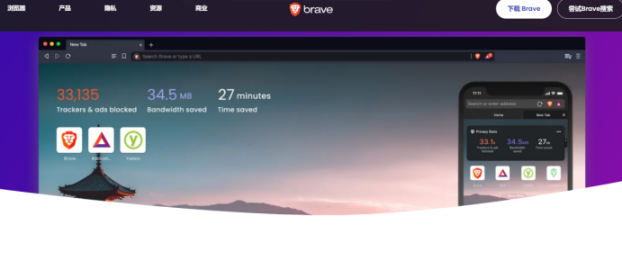
As open source software, Brave offers privacy features and a free-to-use business model. Brave enhances users' apps with features such as free video calls, fully autonomous search, offline playlists, and even personalized news feeds. Additionally, the NFT showroom feature provides users with a simplified interface for viewing and managing the NFT collection.
Brave has also released a cryptocurrency (BAT). If users watch ads provided by the platform through the Brave browser, Brave will reward users with 70% of the advertising fee in the form of BAT.Brave can store crypto assets, track portfolio performance, and interact with Web3 dApps without having to download additional apps.
Another notable feature of the Brave browser is the integration of IPFS functionality, which enables built-in decentralized file storage and reduces the centralization of data by allocating file storage across a global network.
Opera Web3 browser
Opera's crypto browser has features such as anti-phishing, secure clipboard, malicious address checker, and wallet picker, and is also the industry's first multi-wallet management tool. All blockchain-savvy users interested in the crypto industry can enjoy Opera's seamless, private, and secure Web3 experience.
The Opera browser is designed to seamlessly interact with Web3 dApps and multiple wallets.With the wallet selector, users can easily switch between wallet extensions like Opera wallet and MetaMask, and explore more Web3 content in a dedicated dApp store.
Opera has a built-in multi-chain non-custodial wallet that allows users to access their cryptocurrencies and NFTs and log in to dApps without installing any extensions.Opera's built-in cryptocurrency wallet supports ETH, ERC-20, and ERC-721 tokens, as well as Bitcoin, Solana, and various EVM-compatible public chains and Layer 2 solutions. Users can buy, sell, exchange, or send tokens directly from the Opera wallet.
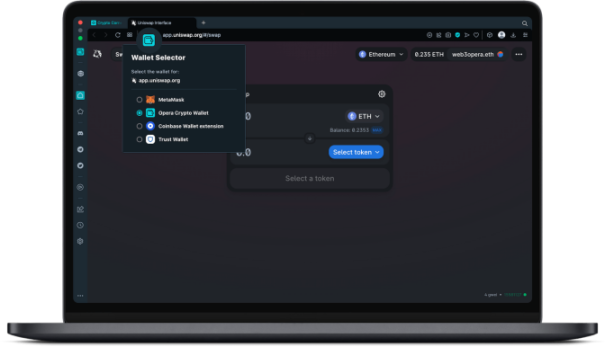
Users can safely browse the Web3 with Opera browser's encryption-specific security features such as paste protection, malicious address checking, and phishing protection. Opera's built-in VPN, ad blocker, and tracking blocker also enhance privacy and security, and can also speed up users' browsing on mobile and desktop.
Additionally, users can quickly access social apps such as WhatsApp, Telegram, Discord, and Twitter in the desktop's encrypted browser sidebar to stay connected to the community at all times. Through the “Crypto Corner” function, users can access airdrops, industry updates and event schedules, gas fees, operation tutorials, and other useful content related to the crypto industry.
Using the Opera Web3 browser requires downloading the Opera encrypted browser for Android, Windows, Mac, and (soon) iOS. Users with a crypto wallet can either use it directly or recreate the Opera wallet to experience the above features.
Puma browser
Ukrainian Canadian developer Yuriy Dybskiy created the Puma browser in January 2019. Puma Browser supports ENS and HNS domain services and IPFS portals, and supports seamless payments for content creators, apps, and game developers such as Coil Content and Interledger protocols.
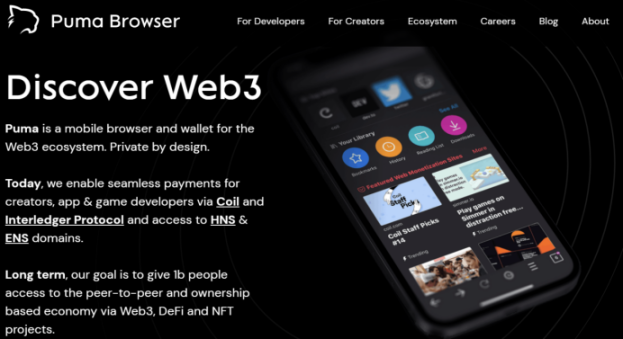
The Puma browser's web monetization method is as follows. Using the Coil protocol as an example, Coil members pay fees to access content created by creators; any user can set up a digital wallet and earn money from the content they create. The long-term goal of the Puma browser is to enable over 1 billion people to access a peer-to-peer ownership-based economy.
Beaker browser
Beaker is an open source web browser developed by Blue Link Labs. Beaker Browser's peer-to-peer technology allows users to self-publish websites and web applications directly from the browser without having to set up and manage a separate web server or host their content on a third-party server.
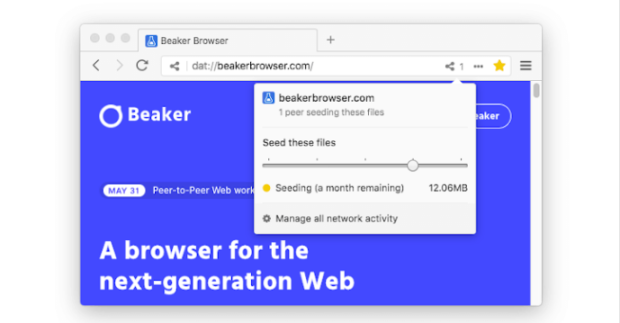
The Beaker browser allows peer-to-peer website hosting in privacy mode, known as HyperDrive. Only those connected to HyperDrive can create websites. To create host-less applications, the Beaker browser provides a new API while still being compatible with the rest of the network.
Compared to the source code most browsers display to website visitors, Beaker shows the structure of a complete website in a GitHub-like format, and users can even host their own web subsite.
Osiris browser
Claiming to be the world's first completely neutral browser, Osiris aims to free people from commercialism and free from censorship and prejudice. As a blockchain-based browser, Osiris bans all ads and trackers by default. Officials say the project is completely self-sustaining and has no ad revenue.
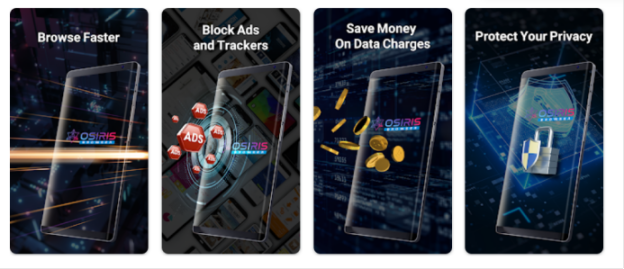
Osiris Browser supports multiple blockchain networks and can be used on computers and mobile phones. Its most prominent highlight is that it focuses on Web3 functionality and user privacy, so it has a built-in crypto wallet, ad blocker, and simple user interface.
Users can use Osiris Armor features to configure privacy settings and view the number of banned ads and scripts. In addition, it also provides a multi-chain wallet Metawallet embedded in the browser, supports multiple cryptocurrencies, can be connected to Layer 2 and major public chains, and can perform faster transactions per second to enhance the Web3 experience for blockchain users.
Future prospects
Traditional online platforms have never had the function of transferring value, leading to a large number of internet advertisements and dishonest commercial practices. Web3 promises to arrange global information in a way that Google's search engine system cannot, so it provides developers, gamers, and content creators with an opportunity to monetize the Web, providing an effective, free, and native automated payment method.
While Google Chrome is the most commonly used Web2 browser, and dApps can be accessed through Web3 wallets, the blockchain-based Web3 browser allows users to control their data, funds, and assets without the need for a centralized third party.People's quest for decentralized networks requires innovative solutions to enhance the transformation of the user experience, and Web3 browsers are critical for accessing the digital economy as a gateway to dApps.
Although there are still many untapped fields of semantic networking, and much research is needed, Web3 technology is becoming a significant force in the current network configuration. It is foreseeable that existing and future more Web3 browser products will continue to provide users with different types of services to meet the needs of a wide range of blockchain users.
