


Upbit launches “coin-free” L2 chain GIWA to compete head-on with shareholder Kakao in the stablecoin market
Author: Zen, PANews
Original title: From exchanges to stablecoin infrastructure: Upbit enters GIWA with a “no-coin” L2 chain to compete head-on with shareholder Kakao?
“giwa” is a tile commonly used in traditional buildings on the Korean Peninsula. It is mainly made of clay and is widely used on the roofs of palaces and temples. Today, the term has been given a new explanation in the Web3 industry — the self-built L2 public chain of Korea's largest crypto exchange Upbit.
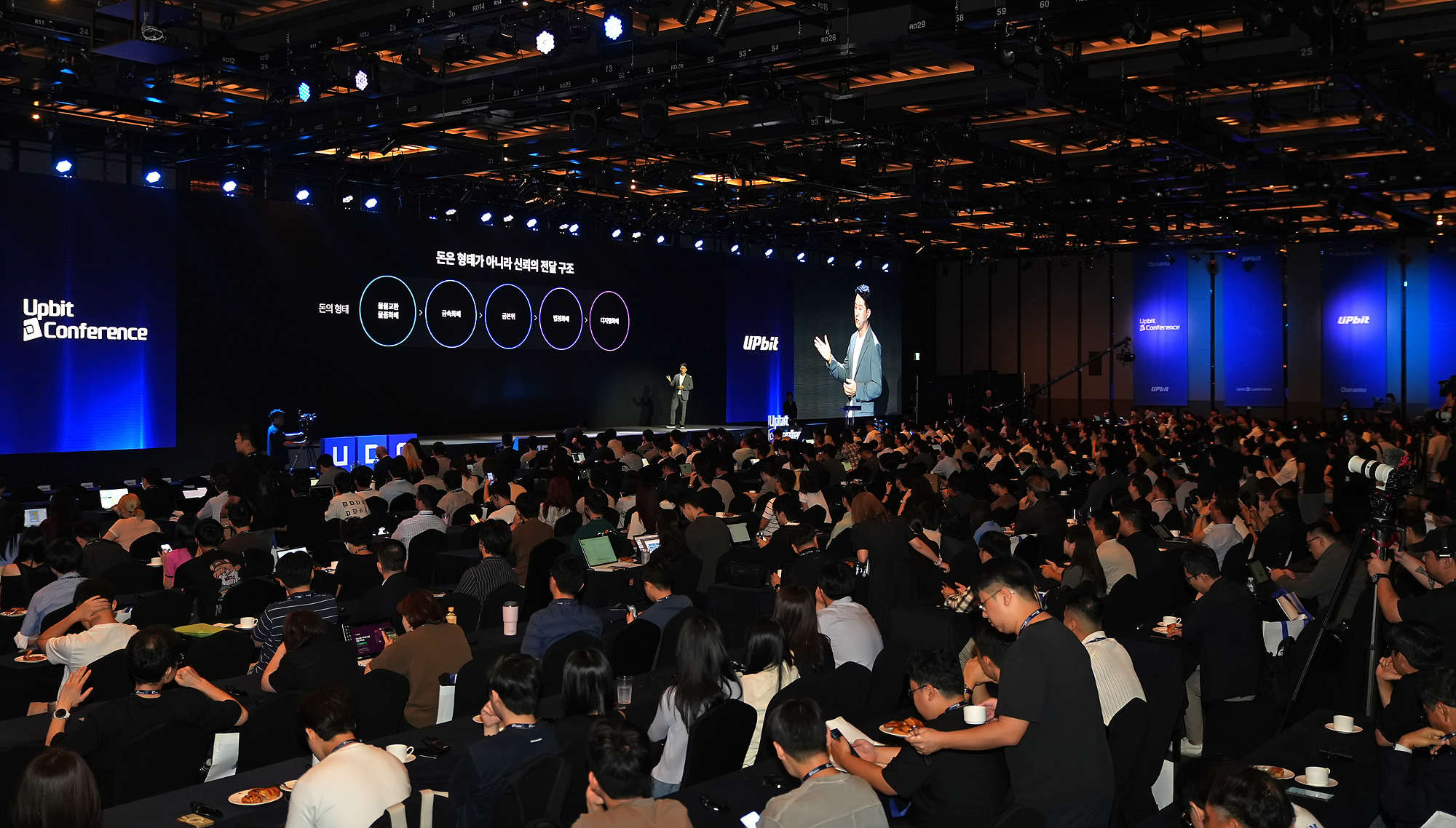
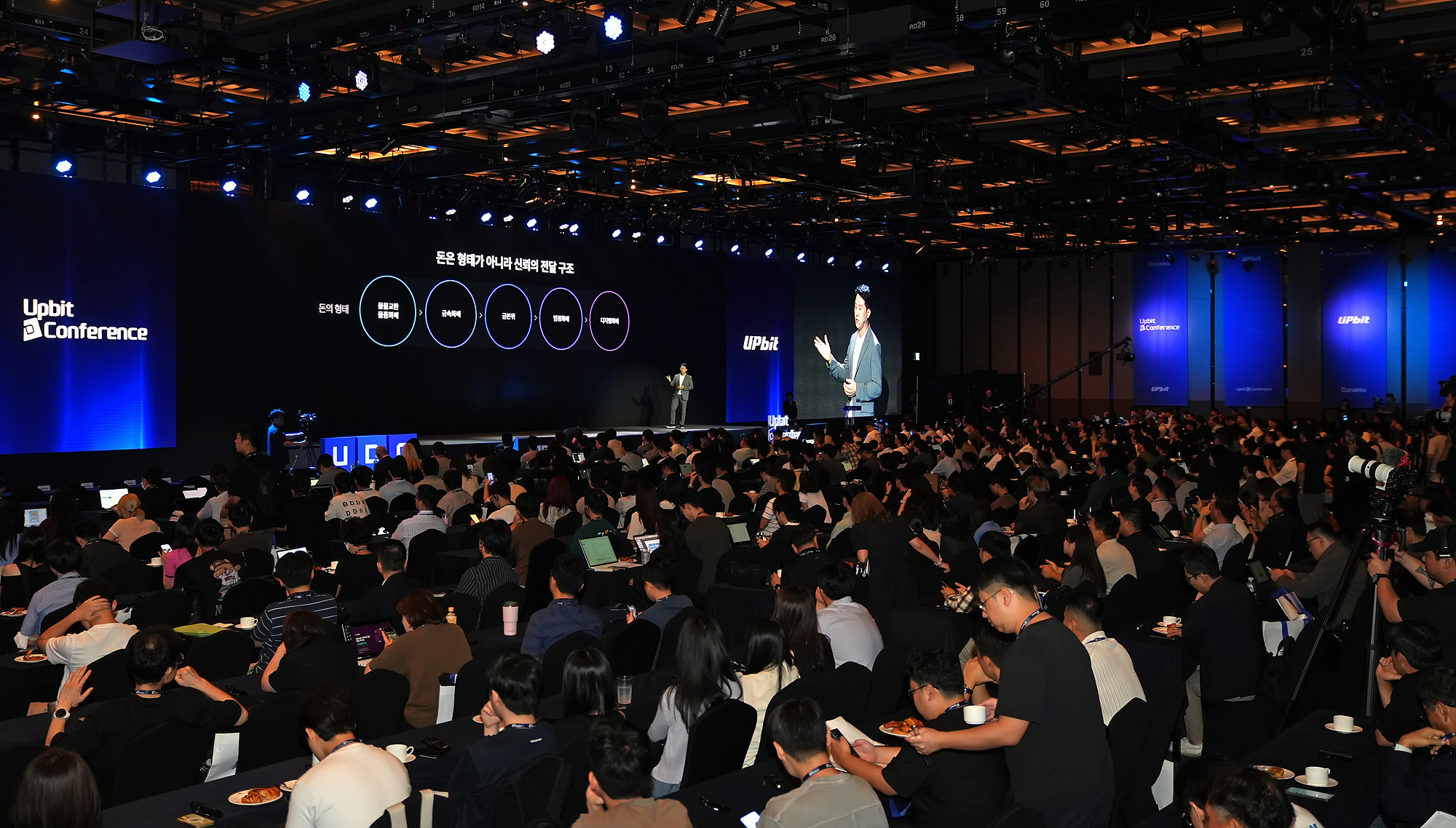
On September 9, the annual Upbit Developer Conference (UDC 2025) was held. Since the GIWA public chain news was announced one day in advance, the information related to the GIWA public chain undoubtedly became the focus of the conference. Upbit operator Dunamu officially announced the “GIWA” Layer 2 blockchain and “GIWA Wallet” at the conference.
Laying out on-chain infrastructure for the first time to build Ethereum L2 based on the OP stack
Upbit's parent company Dunamu has continued to expand its presence in the fintech and Web3 fields in recent years, and the launch of GIWA can be seen as a strategic extension from exchange operations to blockchain infrastructure construction. Oh Kyung-seok, CEO of Dunamu, called it “a golden opportunity to use our power to actively enter the global market.”
GIWA is an abbreviation for “Global Infrastructure for Web3 Access” (Global Infrastructure for Web3 Access), and its connotation also coincides with the traditional Korean roof tile “giwa.”
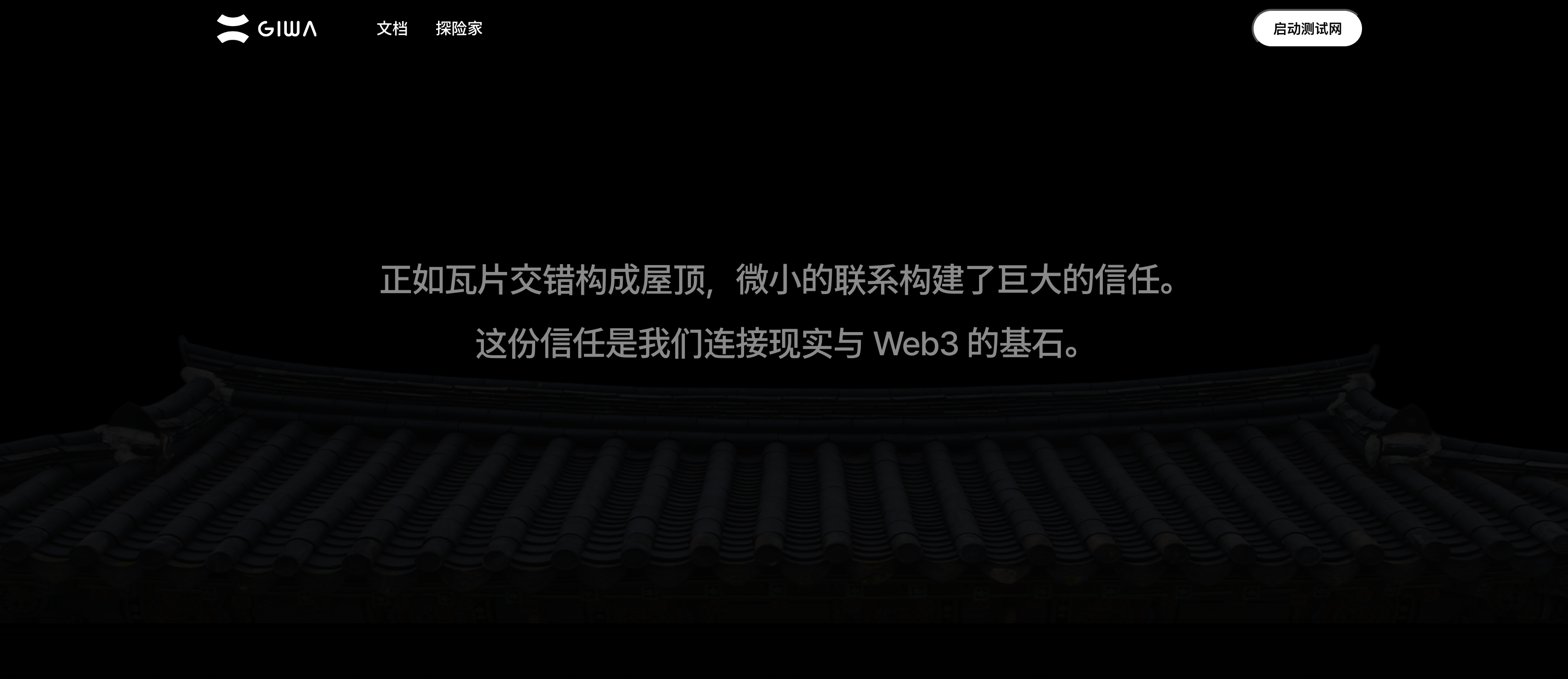
GIWA (tiles) became a source of inspiration for brand and logo designs
Oh Kyung-seok said at UDC 2025: “Just as layers of tiles make a strong roof and protect our ancestors, GIWA embodies our commitment to becoming a blockchain that can securely protect the data accumulated on the blockchain.”
According to official documentation, GIWA uses the OP Stack architecture and is positioned as a layer-2 chain in the Ethereum ecosystem. The network plans to achieve block generation time of about 1 second and supports full EVM compatibility, which means that existing Ethereum smart contracts can be directly migrated and deployed on GIWA. Currently, GIWA has launched the test network “GIWA Sepolia”, a second-layer network connected to Ethereum Sepolia.
Song Won-jun, head of product at Dunamu Crypto, explained that scalability, reliability, liquidity, and convenience will be the four pillars of GIWA.
Meanwhile, the accompanying GIWA Wallet focuses on optimizing the user experience, focusing on a low threshold, and emphasizes intuitive usability, including email-based login, easy key management, and ID-based remittance.
The issuer chain does not issue coins, a compliance choice under regulatory pressure
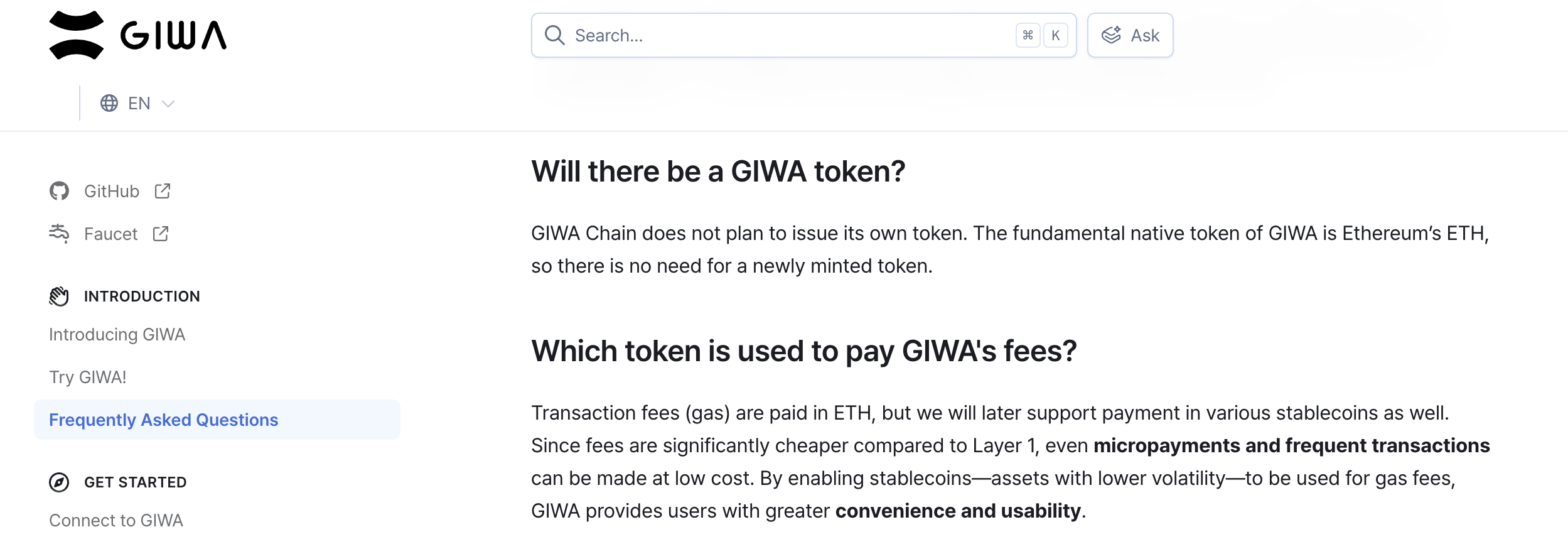
Whether to issue tokens is one of the community's concerns, and GIWA gave a clear answer: no.The official documentation saysGIWA's basic native token is Ethereum's ETH, so there is no need to issue a new token.
This decision was not a technical choice, but rather Dunamu's direct response to South Korea's crypto regulatory environment.
South Korean regulators have long been tough on crypto asset regulation as fraud cases continue to emerge. In 2021, the Korea Financial Services Commission (FSC) proposed amendments to the law prohibiting domestic crypto exchanges from listing their own tokens. This move directly led to the removal of several exchange platform coins, including the Maro token owned by Upbit's operator Dunamu.
Furthermore, South Korea has successively introduced regulations such as the “Virtual Asset User Protection Law” to further strengthen the compliance requirements of virtual asset operators.
In this context, Giwa launched by UPbit can only continue the strategy of not issuing platform tokens. According to the GIWA documentation, the network's transaction fee (gas) is paid in ETH, and the fee will be far lower than Layer 1, so that micropayments and frequent transactions can also be completed at a low cost.
Furthermore, the official revealed that GIWA plans to support the Paymaster function in the future to support users to use various stablecoins to pay transaction fees and provide greater convenience and usability.
Get rid of a single business, Dunamu seeks diversified development
The reason why Dunamu launched GIWA is obvious: under the trend of global exchanges continuing to expand their boundaries, they are also exploring a single business that breaks the game.
Korea's strict regulatory policies and currency listing requirements have become a major bottleneck in Upbit's growth. Dunamu set up an investment subsidiary, Dunamu & Partners, to support promising blockchain projects, but regulations prohibiting corporate investment prevented it from carrying out any substantial activity. As a result, the platform is extremely dependent on fee revenue. In the first half of this year, Dunamu relied on platform fees as high as 98%.
In terms of cryptocurrency support, Korean exchanges, represented by Upbit, also usually shut out local blockchain projects. According to the Korea DailyReportSince 2021, out of the 793 cryptocurrencies listed on the three exchanges Upbit, Bithumb, and Coinone, only 41 have been issued by domestic operators. Of these, Upbit has listed 133 cryptocurrencies, none of which are issued by Korean operators.
The reason why the NxPC token of the previously popular Korean blockchain game “MapleStoryn” was listed on UPbit. Mainly because Nexon established “Nexon Universe Global” and a dedicated blockchain company “Nexspace” in the UAE, NXPC became an overseas token for “export to domestic sales.”
In terms of the exchange's coin-less blockchain, Coinbase is a ready-made successful template. Its base chain is also built on OP Stack. According to estimates, Base relied on the sequencer to generate more than 60 million US dollars in revenue in 2024.
Because of this, Upbit has always been committed to diversifying its revenue structure, and finally broke away from the simple fee-charging business model and entered the blockchain financial infrastructure market by launching GIWA.
Korea's stablecoin sector heats up as competition with shareholder Kakao
With the popularity of stablecoins, the blockchain infrastructure that supports stablecoins will reach the public, transforming existing financial services such as payments, asset management, and capital markets into Web3-based services. For GIWA, which puts compliance first, the layout of the stablecoin ecosystem is clearly a top priority. The official document states: “GIWA is committed to becoming a hub for the Korean won and global stablecoins, continuously improving usability and promoting financial innovation.”
Oh Kyung-seo, CEO of Dunamu, further stated: “Upbit's spot trading volume is 1,740 trillion won, the cumulative number of users has reached 12 million, and its infrastructure can execute 20,000 transactions per second. If Upbit issues a Korean won stablecoin, it will create opportunities for Korean finance to enter the Asian and global markets.”
Dunamu's entry into the stablecoin circuit also marks that Korea's digital finance competition has heated up. Dunamu's biggest competitor is its shareholder, South Korean tech giant Kakao. As of 2021, Kakao held about 7.6% of Dunamu's shares, according to Korea JoonGang Daily.
In recent years, Kakao has steadfastly promoted its stablecoin and blockchain layout. Its KakaoBank has applied for Korean won stablecoin trademarks such as “BKRW” and “KRWB,” and is preparing to seize the Korean standard currency stablecoin market. Kakao's Ground X launched the Klaytn blockchain as early as 2019. Since then, the KAIA platform (a product of merging with Line's blockchain) already supports the issuance of USDT and other stablecoins, and plans to connect stablecoin wallets to KakaoTalk to promote more than 20 million KakaoTalk users.
Dunamu previously announced a partnership with South Korean search engine giant Naver to promote the won stablecoin project and jointly develop a stablecoin payment system based on the won. A Dunamu spokesperson said that the project is expected to be led by Naver's mobile payment platform Npay, with Dunamu playing a supporting role. The two companies intend to formally finalize the details and scope of cooperation after the regulatory framework is in place.
Twitter:https://twitter.com/BitpushNewsCN
Compare the TG exchange group:https://t.me/BitPushCommunity
Compare TG subscriptions:https://t.me/bitpush
