


Big Brother Ma Ji's “Return to Zero”: Serial Entrepreneurs' High Leverage Dreams Shattered
Author: Ethan; Editor: Planet Flower
Original title: Big Brother Ma Ji's “Return to Zero” Memoirs: From Serial Entrepreneurs to Highly Leveraged Gamblers
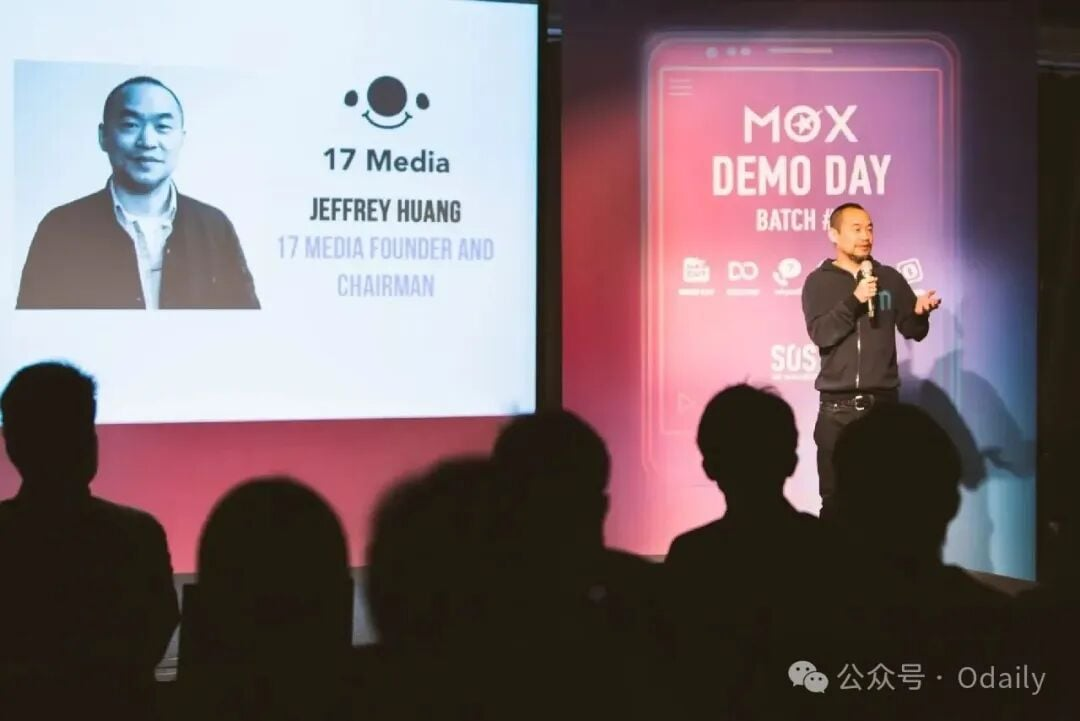
On November 4, Huang Licheng (@machibigbrother), the former giant whale “Big Brother Ma Ji”, took another shot. Using his remaining $16,700 on the decentralized trading platform Hyperliquid platform, he re-opened multiple orders of 100 ETH with 25x leverage.
After 24 hours, the liquidation came again. In the early morning of November 5, monitoring data showed an account balance of only $1,718. The operation was only 47 days away from the peak of his account's assets.
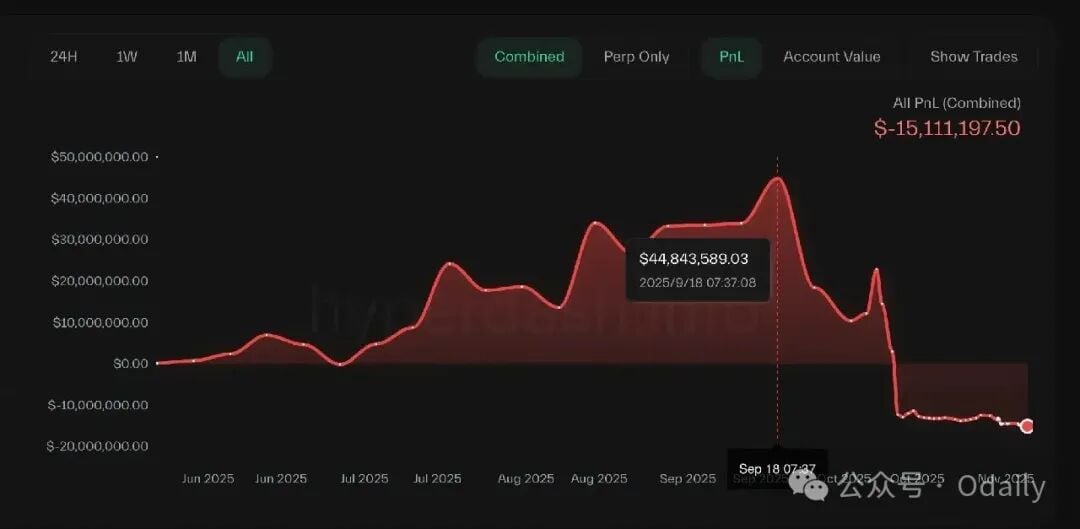
Back on September 18, taking long positions with high leverage, he once made a profit of $44.84 million, becoming one of the most watched contract whales in the chain. However, the 10.11 sharp drop hit, the market shook, and the crypto asset fell continuously for the next month. Under continuous anti-order and position expansion operations, Hyperliquid's clearing interface flashed red like the center of the storm, and Huang Licheng's account also “crashed” during a series of strong ups and downs: not only did all of the profits spill out, but the principal amount of $15 million also almost returned to zero. The peak was close to the $60 million account, leaving only a few “a few pieces of silver.”
In response, he left a comment on social media: “Was fun while it was fun.” (“Just have fun.”)
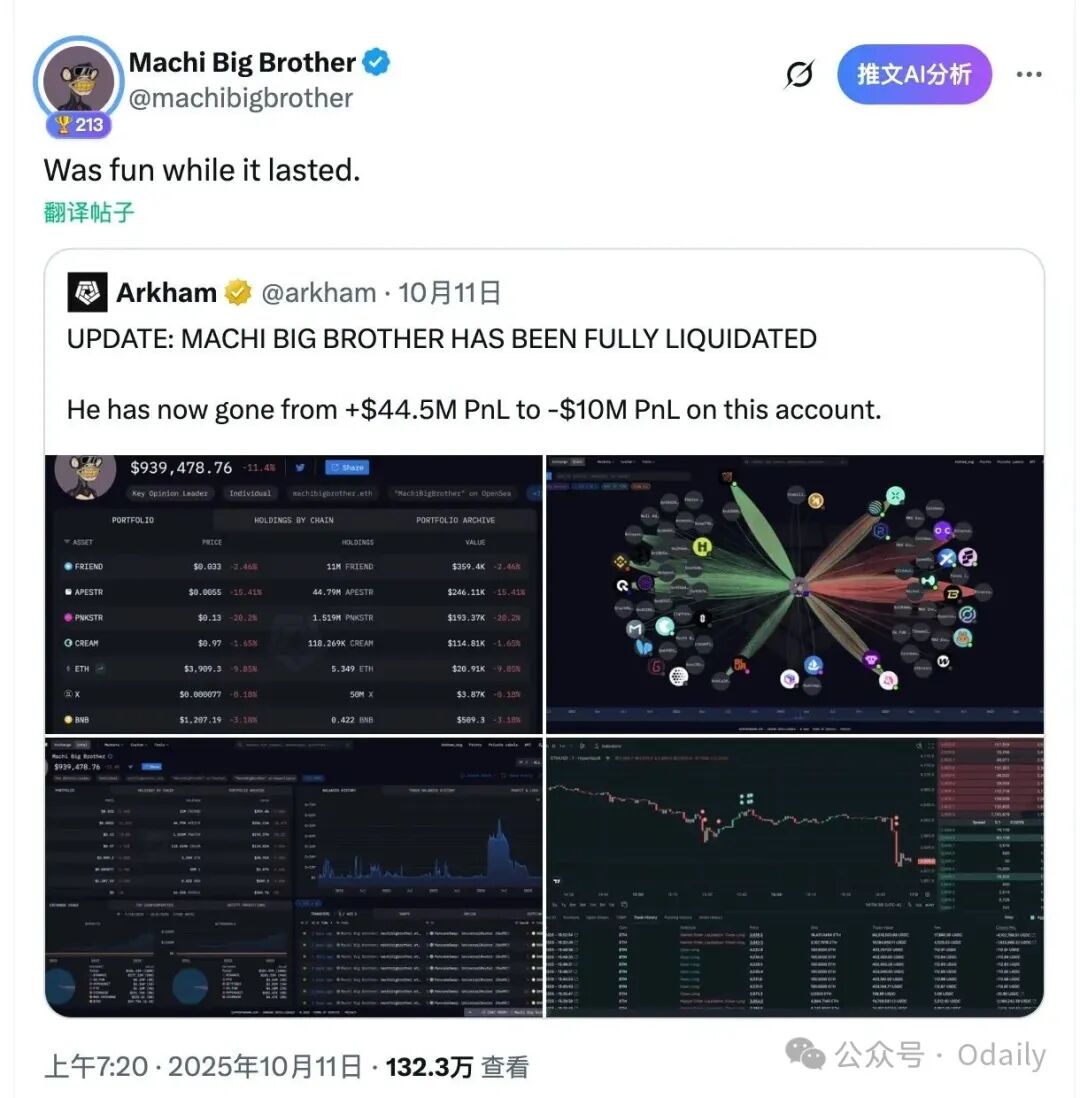
Thirty years ago, he was in the real “spotlight.”
It was Taiwan in the 90s, when hip-hop culture first entered the Chinese-speaking world. Young people wearing oversized jeans, stepping on the beat, and screaming were the most avant-garde at the time. Huang Licheng, the leader of L.A. Boyz, the earliest hip-pop boy group in the Chinese-speaking world, controls the stage, controls the rhythm of the audience, and also controls the fashion sense of the times.
Thirty years later, this person, who aspires to control the rhythm, experienced countless speculations from different angles and methods to try to stay on top of the tide of capital, but all of this got out of control in the midst of madness and hustle and bustle.
From hip-hop kid to tech startup
From a trendsetter in the entertainment industry, to a serial internet entrepreneur, to a giant whale in the coin industry and the “Scythe Big Deal” label, every turn of “Big Brother Ma Ji” Huang Licheng has been full of drama and controversy over the past 20 years.
Obviously, he is used to being on the cusp, knows how to focus on the economy, and doesn't want to let go of any opportunities.
Born in 1972 in Yunlin, Taiwan, Huang Licheng immigrated to California with his family when he was 2 years old. He has a rebellious personality and street smarts. In high school, he formed a dance troupe called Funky Asian Buddy with his younger brother Huang Lixing and his cousin Lin Zhiwen. They spent the whole day dancing battles and going to nightclubs to find opportunities. In 1991, the three were discovered for their unique style and officially returned to the Taiwanese music scene under the name L.A. Boyz. Their mixed vocals in Chinese and English and American street style have taken Treasure Island by storm. At the time, the Chinese-language music scene was still dominated by Japanese idol styles, and the American hip-hop brought by L.A. Boyz was refreshing. Huang Licheng also became a pioneer of hip-hop culture in the Chinese-speaking region, setting off a trend.

当年的 L.A. Boyz:林智文(左)、黄立行(中)、黄立成(右)
Since their debut in 1992, L.A. Boyz has released 13 albums and is all the rage, but as the Taiwanese music scene switched to a “lyric song” style in the mid to late 90s, L.A. Boyz's cool hip-hop style gradually lost its mainstream market. After disbanding in 1997, Huang Licheng gradually switched to business and behind-the-scenes business and started businesses in the field of technology.
In 2003, he founded Maji Entertainment and is fully involved in music production and artist management. He went from being an entertainer to a boss, producer, and businessman.
Huang Licheng always wanted to be “the first crab eater” and knows how to get around. While the entertainment industry went behind the scenes, he turned into a tech entrepreneur. He realized early on the value of traffic and attention.
In 2015, Huang Licheng and his technical partner founded 17 Media. The main product is the “17 Live Streaming App”, which focuses on real-time video interactive social networking. At the time, betta from the mainland had just been created, and similar products such as Einko and Pepper had not been launched. After the launch, the app quickly became popular in Taiwan, attracting millions of users, and was once valued at several billion NTD, and received investment from Wang Sicong and LeTV Sports.
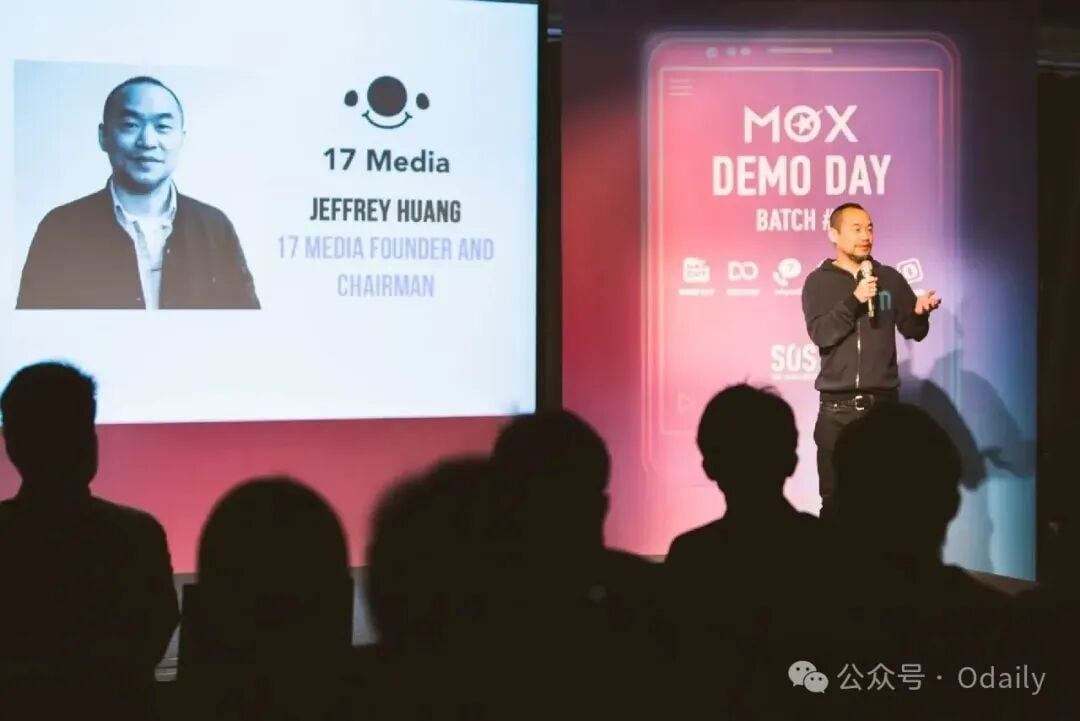
黄立成以 17 Media 创始人身份在 MOX Demo Day 上演讲
Due to poor regulation in the early years, some of the content of various good-looking anchors on the app were too large, and 17 were temporarily removed from the App Store and Google Play for a while. After that, Huang Licheng led the team to adjust the content mechanism and shift the market focus to Japan, Hong Kong, Thailand, etc. In 2017, 17 Media merged with the social app Paktor to establish M17 Entertainment, and the platform changed its name to 17LIVE. Although Huang Licheng became the chairman of the board, he also began to gradually withdraw shares and cash out.
In 2018, 17 Media attempted to be listed on the New York Stock Exchange, but it was temporarily cancelled on the day of listing, and the listing plan was aborted. According to people familiar with the matter, M17 ultimately failed to meet audit and reporting requirements, nor was it able to overcome its on-book bid threshold. Subsequently, the company's focus turned to Japan until 2021, when Huang Licheng resigned from all positions, withdrew from management, retained shares, and the Japanese team took over the main operations.
In addition to 17, Huang Licheng also had quite a few other entrepreneurial endeavors, such as the “erotic chat platform” Swag, Machi Xcelsior Studios, etc... but most of them didn't enter the mainstream vision until he met the best fertile ground for speculation — the coin industry.
Crazy Maggie: Not a single outlet to be missed
With a successful experience in internet entrepreneurship, Huang Licheng once again saw an opportunity in the 2017 1CO crypto wave to join the blockchain industry.
Aiming at social mining and issuing coins in 2018
At the end of 2017, he continued his 17 product experiences and led the launch of the blockchain project Mithril (MITH), focusing on the “social mining” concept and claiming to create a “blockchain version of Instagram”. The core mechanism is that users can earn MITH tokens through an algorithm by posting content and interacting on the decentralized social networking platform Lit, which rewards creators.
Mithril conducted a private token sale on February 21, 2018, and raised a total of $51.6 million (around 60,000 ETH at the time), accounting for 30% of the total token supply. In February 2018, 70% of these private placement tokens were unlocked at TGE, and 30% were unlocked within the next three months.
In February 2018, the price of the MITH token soared for a while after entering OKEX (now OKX), Binance, etc., but within the next 3 months, the team directly sold 89% of the total circulation supply at the time, causing the price to plummet 80% rapidly.
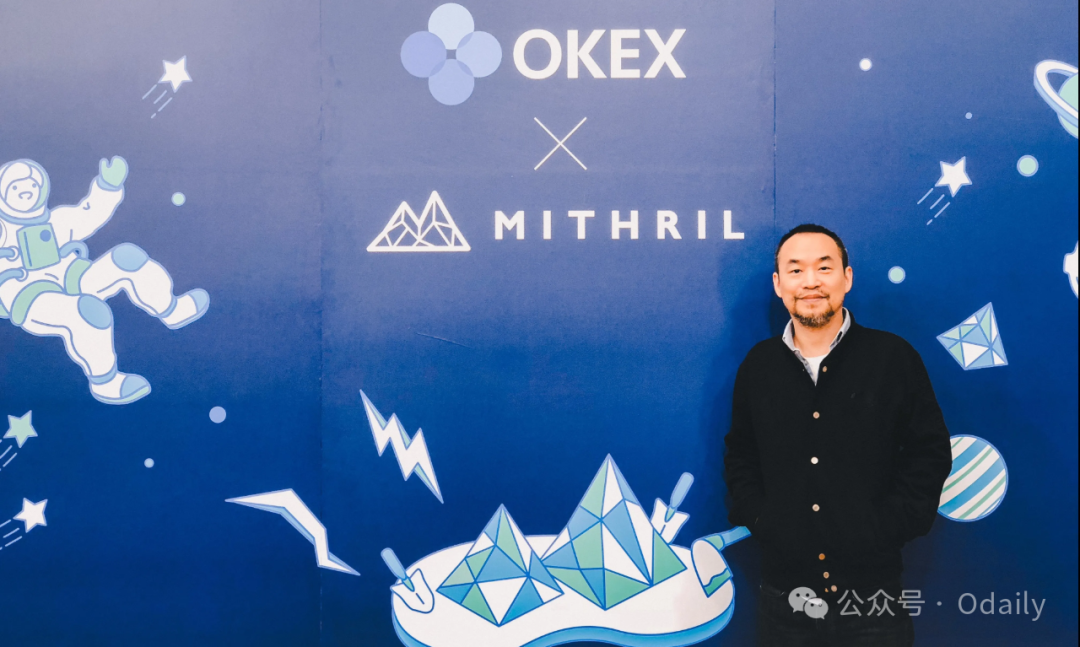
黄立成在 Mithril 与 OKEX 合作活动的现场
Afterwards, the bubble burst, and the market became cold. The project at the time was already empty. There were many product flaws, and there were no real users, and the MITH price continued to drop without resistance. The drop directly exceeded 99%. Later, products such as Mith Cash were launched to try to overcome the decline in other hot spots, but it was also futile. MITH was removed from Binance and other platforms in '22, and then came close to zero.
Obviously, the issuer made a lot of money, and the successors lost their money. The Mithril project established Huang Licheng's initial reputation as “Early Coin Circle Sickle Pump and Dump.”
DeFi protocol launched in 2020
In 2018, Huang Licheng also participated in the establishment of Formosa Finance, known as a treasury management platform created by a blockchain company. Once it raised $23 million (44,000 ETH), the project only launched a few decentralized exchanges, then quickly returned to zero.
In addition, Huang Licheng also launched Machi X, a centralized copyright trading platform in the past, but due to its previous “sickle” reputation, it was difficult to raise capital, and it didn't work.
Until July 2020, DeFi Summer hit.
He turned to the popular DeFi mining sector and quickly launched the lending protocol Cream Finance. As a fork project of Compound, Cream supports more long-tail asset loans and has rapidly risen through high-yield mining, with a TVL of over $1 billion at its peak.
However, at the time, DeFi protocols were developing at a rapid pace, but they had many flaws and loopholes in mechanism design and security defense design, leading to frequent hacker attacks, and many agreements became hacker ATMs. In particular, the “flash loan” design, which was later criticized — flash loans are an unsecured lending mechanism in DeFi. Users can lend any amount of funds within the same block, as long as they repay the principal plus interest before the block ends, otherwise the entire transaction will be rolled back. The original purpose of this design was to facilitate operations such as arbitrage, refinancing, and mortgage adjustments, but it actually provided a breeding ground for hackers.
Cream Finance was hacked at least 5 times in 2021.
In February, Cream Finance's “Iron Bank” cross-protocol lending consolidation scheme was used, and attackers lent assets far exceeding their collateral value by manipulating asset prices (or asset value calculations). The loss was approximately $37.5 million.
In August, Cream Finance was attacked again — the C.R.E.A.M. v1 market on Ethereum was exploited, and attackers used a reentrancy bug (reentrancy bug) in the AMP token contract. Losses are estimated at around $34 million
In October, Cream Finance suffered one of the largest fatal attacks at the time, and Cream's Ethereum v1 market was once again breached. This time it was a flash loan attack (flash loan) + price orchestration/stock price valuation manipulation, and the loss was as high as 130 million US dollars.
Security incidents experienced by Cream Finance in the same year also included domain DNS hijacking and exploiting vulnerabilities.
Under the double pressure of a crisis of trust and technical loopholes, Huang Licheng chose to hand over control of the protocol to Andre Cronje, founder of Yearn, the famous king of DeFi, to make a soft landing in the form of strategic cooperation and withdraw from daily operations himself.
Since then, Huang Licheng has also led and participated in various DeFi protocol fork projects many times, but it didn't take long for them to die.
Switch to the NFT battlefield in 2021
When the NFT craze swept through, he once again took the lead and became an NFT OG.
In 2021, perhaps because of his familiarity with traffic gameplay, Huang Licheng saw the NFT circuit early on, and began minting and hoarding the leading blue-chip NFT series, especially the Bored Ape Yacht Club (BAYC) Bored Ape Club (BAYC) Boring Ape series. The minting price was only 0.08 ETH. A few months later, the floor price increased by more than 100 ETH, making NFTs achieve crazy enrichment effects and breaking the circle. Huang Licheng, who is already a star, took advantage of the momentum to give away BAYC to stars such as Jay Chou, and received great exposure.
In 2022, Daily Planet Daily reported that his single address had 102 mutant ape MAYC, 55 boring ape BAYC, and 1.51 million APE tokens (worth about $24 million at the time), and every time it fell, he also swept the goods wildly, causing many media to compete and report on his address, making him one of the biggest NFT giant whales of the time.
Things took a sharp turn in the NFT trading platform Blur's token points campaign. After Blur launched the second season of the airdrop points campaign, “Big Brother Maji” has always dominated the standings and has been trading frequently. Huang Licheng owns a large number of BAYC and other blue-chip NFTs and obtains transaction credits through pending orders and bids, while increasing the liquidity of NFTs. However, as the NFT market fell cold in 2023, users who earned points were not as active as before, and people with a bunch of NFTs began to find ways to ship them.
Blur's liquidity has created favorable selling conditions for NFT traders. Blur's market-making incentive mechanism allows traders to hang up NFTs on Blur at a price close to the floor, further creating a tight bid-ask spread, making Blur's floor price lower than other marketplaces. This approach will continue to create moats for Blur and increase bid depth.
However, “Big Brother Ma Ji” had a lot of luck in this giant whale game. In a few days, he took over 71 BAYC and 77 CryptoPunks, losing a lot, and then rushed to sell more than 1,000 NFTs, causing BAYC's floor price to drop by 25.5%. Although he “bought high and sold low,” his practice of selling NFTs in a big way to drain liquidity was also redeemed by “big discounts.”
Anyway, the operation was as fierce as a tiger, and in the end, it was played by the platform. According to later statistics, Huang Licheng lost at least 5,000 ETH in Blur's back-and-forth points game.
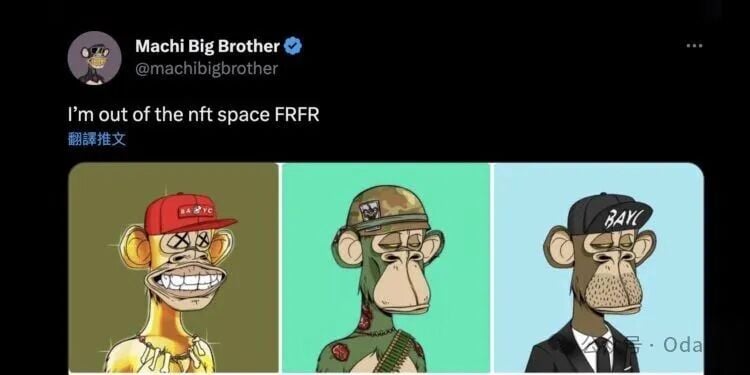
As a result, the NFT market continued to slump and fell flat. In April 2023, Huang Licheng wrote to withdraw from the NFT market.
Until now, there are still quite a few dead NFTs lying in his wallet.
2024 public call meme
In 2024, the Solana series meme ushered in the spring, and the “one contract address, send me money” model exploded, and Huang Licheng “embraced the opportunity” once again.
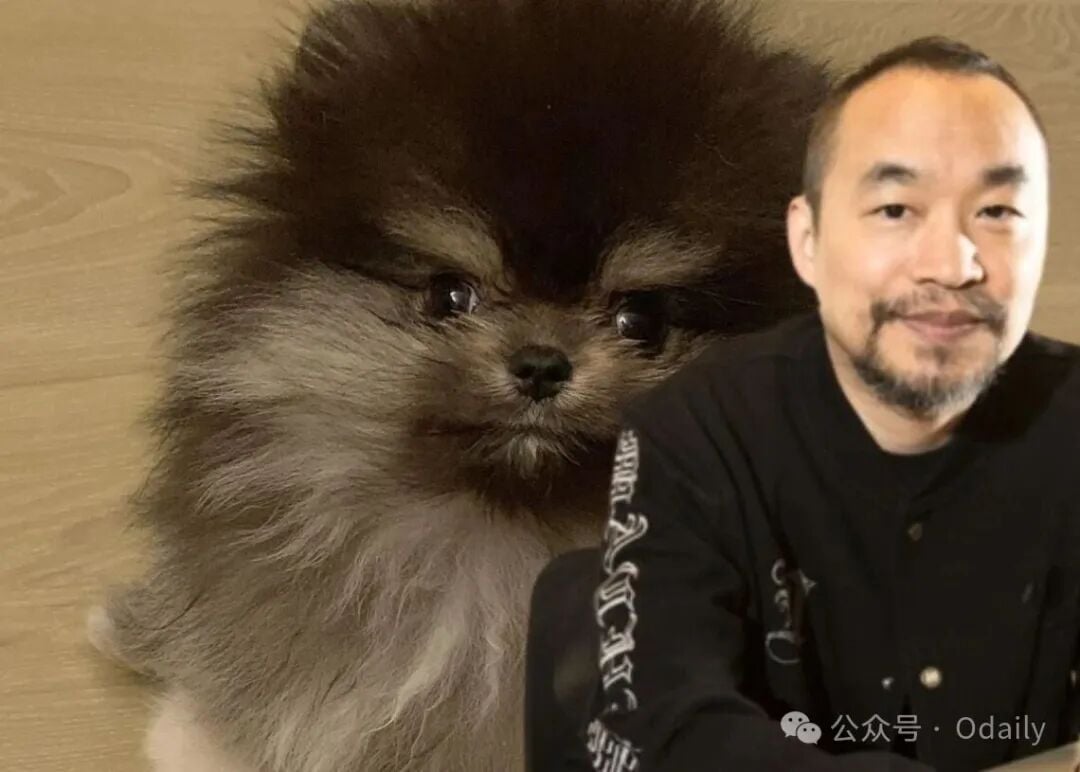
He launched Boba Oppa ($BOBAOPPA), named after his dog, on the Solana chain. The project raised more than 200,000 SOL (worth over 40 million US dollars) through pre-sale within 24 hours, but the currency price dropped by more than 70% on the day it went live. He also transferred some of the funds raised to DeFi protocol staking, which was another classic “big discount” performance.
After that, Boba Oppa also created benefits such as destruction to try to win the game, but naturally, the end result was a quiet return to zero in the midst of so many memes.
Hyperliquid: The Tragedy of the Giant Whale - $45 million in profit to nothing
In 2025, in the midst of Hyperliquid's high level of transparency, it became a giant whale “planning operations” in the world watching and real-time media follow-up reports, which may once again make Huang Licheng excited.
“麻吉大哥”Hyperliquid 账户仓位收益图
Section 1: The Splendor and Undercurrents of Midsummer
The beginning of the story is always very profitable. In June, he easily made a profit of more than 6.5 million US dollars by accurately manipulating HYPE positions; in July, his total multi-order position in Hyperliquid climbed to US$126 million, making it the platform's top giant whale. However, the seeds of risk were also planted at this moment: his stubbornness about the PUMP project quickly expanded to over $10 million in a single month. Although losses began to stop at the end of July, this huge loss has eroded the previous profit base.
In August, the market took a sharp turn and then suddenly rebounded, and the account profit and loss curve was like a ferocious roller coaster. At the beginning of the month, his cumulative loss on PUMP reached 9.94 million US dollars, and his previous profit was almost completely exhausted; however, as ETH rebounded, surplus surpassed 30 million US dollars in the middle of the month. On August 13, he resolutely closed all positions and locked in a profit of $33.83 million. However, his brief rationality was fleeting. He immediately backhanded and shorted ETH, but was “counterkilled” by a rapid rebound in the market, and profits were drastically withdrawn.
Throughout August, he hardly pressed the pause button and frequently opened, added, and closed positions in an attempt to catch up with the market at a fast pace. Although losses narrowed at the end of the month, the anxiety of “being able to earn money but not being able to keep up” has begun to erode confidence.
Session 2: September's Peak and Transition
Entering September, Big Brother Maji seemed to have regained his rhythm. He cut his leverage to 15 times, frequently short-term operations, and made a small profit from shorting ASTER trades. By September 19, his account had surged to nearly $45 million — the highest point in his history on Hyperliquid.
However, the apex often means a turning point. In late September, ETH, HYPE, and PUMP fell across the board, and his core positions quickly fell into losses. At one point, the biggest loss exceeded 20 million US dollars.
To avoid liquidation, he added a security deposit of 4.72 million USDC to the platform on September 25. What's even more ironic is that in the midst of the crisis, he still chose to take a heavy position on the new XPL in an attempt to reverse the defeat by “fighting for good”. By the end of the month, the total value of his positions was still as high as 176 million US dollars, but behind this huge scale, his financial defense was already faltering.
Section 3: October's Death Spiral: Liquidation, Inventory Replenishment, and Re-Liquidation
October was the beginning of a complete collapse. At its peak, the surplus of nearly $45 million almost disappeared within 20 days. As of October 9, there was only about $1 million left in the account's profit. The next day, he was forced to close positions such as XPL and lost $21.53 million in a single day. Since then, the account has officially changed from profit to loss.
Throughout the month that followed, he fell into a typical “death spiral”: market decline → high leverage orders approaching liquidation → capital injection to fill positions → being liquidated again → opening positions again.
This cycle was repeated no less than ten times in October. Like a red-eyed gambler, they keep “filling up positions,” but every time they fill up their positions, they are mercilessly swallowed up by an even more violent decline. October 11, October 14, October 23, October 30... His positions were liquidated again and again. Although the market rebounded occasionally during this period, making his small positions surplus of nearly one million dollars, compared to the huge deficit, this was only worth nothing. By October 31, his total loss had reached $14.5 million.
The end? November's complete collapse
There were no miracles in the November market.
On November 3, 25 times as many ETH orders he insisted on were completely liquidated, with a loss of 15 million US dollars.
On November 4, his Hyperliquid account balance was only $16,771. However, he chose to re-enter the market — using the remaining funds to open 25 times more orders of 100 ETH.
After 24 hours, the liquidation occurred again. In the early morning of November 5, monitoring data showed that the account balance was only $1,718, and everything went back to zero.
From steady profits in June, to a peak of nearly 60 million US dollars in total account assets in September, to no return in November, this five-month trading battle was full of shock, yet it is not uncommon in the coin industry.
The same story is played out every day, only the main characters and details are different.
On the same day that Big Brother Ma Ji lost a lot, Hyperliquid won 14 times in a row with a 100% win rate, and multiple positions known as the “Insider Whale” were strengthened and actively closed. The account dropped from a maximum profit of over $25.34 million to a net loss of $30.2 million, leaving about 1.4 million US dollars. After that, he went backwards, but the market began to rebound. Currently, the account is only 570,000 US dollars.
James Wayne, the biggest influencer in Hyperliquid in the past, made a quick profit of more than 43 million US dollars. He was also liquidated in a series of losses during a sharp decline. Since then, he has also been moving around, putting up tens of thousands of dollars to continue billing and bursting out positions, and has followed the trend and used KOL to accumulate the next round of “gambling chips” and use rebates to accumulate the next round of “gambling chips.”
They are now all using small positions to expand their leverage, and even though this article is called “Return to Zero,” we have no doubt that “serial entrepreneur” Huang Licheng must have a way to raise up some principal and continue to bill.
In this story, they are all like Sisyphus, who pushes boulders time and time again, and can never escape reincarnation and advance to the peak again.
Conclusion: Speeding up time and time again may be a prelude to speeding up demise
Huang Licheng can be described as the most vivid footnote in the crypto era, and can even be called a living fossil. He actively and quickly participated in every wealth opportunity, and soon after, he broke out of his shell and headed to the next nugget battlefield. This is another dimension of reincarnation.
In the coin industry, the life cycle of every hot wave is being compressed to the extreme.
In top traders, we often hear the “golden rule” of “slow is fast”. However, in this market where hot spots rotate like burning oil, no one believes that “slow is fast” for a long time; only too slow, not fast enough; it should be faster.
Once upon a time, drawing a beautiful white paper and telling a self-explanatory story would probably require time to polish the product prototype before the project could be cashed out.
Later, a contract address was posted on social media, and as soon as an arm was raised, tens of millions of “idiots” directly sent money. Even the US President did the same, and a project with a market value of 10 billion US dollars was instantaneously born.
Extreme acceleration time and time again, falling into madness time and time again, the “giant whales” are even more addicted to clicking a few buttons to open and close positions, taking hundreds of millions of dollars of wealth into their pockets.
Here, attention and appeal have become real money, but the assets in the account have become illusory gambling chips. In the malformed industry structure, loss seems inevitable. The narrative is forever reincarnated, and wealth is always created and devoured. Becoming rich overnight and falling in an instant is just normal.
The ultimate irony is that the coin community will always have the next Big Brother Ma Ji to return to zero, and more people still want to be him.
Twitter:https://twitter.com/BitpushNewsCN
Compare the TG exchange group:https://t.me/BitPushCommunity
Compare TG subscriptions:https://t.me/bitpush
