


Are stablecoins really “stable” due to de-anchoring, loopholes, regulation, and fluctuations?
Original author:@panterafii
Original title: The Stablecoin Bible: Risk Metrics & Assessment Analysis
Original text compilation: Shenchao TechFlow
There has been a lot of talk about stablecoins, but there has been relatively little discussion about their risks, and I think this is a core topic worth discussing in depth. It's also something I've thought about for months and finally sorted out and am willing to share.
summary
Future and past discussions of stablecoins
Main categories of stablecoins
Comparative analysis of risk indicators
Development Status of the Solana Ecosystem
Future and past discussions of stablecoins
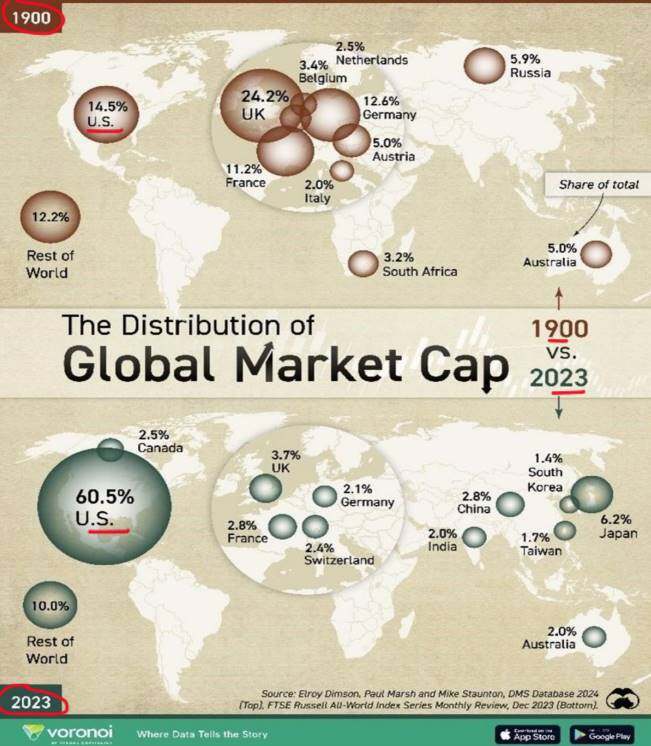
Here, I've highlighted some of the key discussions and opinions in the industry regarding the development of stablecoins. Most of these discussions revolved around how decentralized finance (DeFi) can achieve global popularity through stablecoins in multiple ways.
“On-chain forex is the key to global popularity” ——@haonan
On-chain FX (On-chain FX) can improve the efficiency of global trade settlement. It can handle cross-border payments, remittances, and conversions to local stablecoins or fiat currencies without being restricted by regulatory barriers. On-chain forex is expected to replace the current slow system and achieve instant and low-cost currency conversion.
To achieve widespread adoption, on-chain forex requires a deep pool of automated market makers (AMM) that can support, for example, $11 billion in trading volumes over 30 days. At the same time, managing slippage has become a challenge, in addition to building scalable infrastructure and payment systems. The stablecoin ecosystem also needs to prioritize strong security in foreign exchange swaps.
“Proxy payments can improve the user experience for small online transactions” —@hazeflow_xyz
x402 is an open source internet-native payment protocol developed by Coinbase. It makes use of HTTP 402 status codes (“payment required”) to enable instant micropayments based on stablecoins such as USDC. This approach can significantly improve the user's payment experience in small online transactions.
The multiple benefits of x402
Autonomous operation: AI agents can independently complete payment for services, data, calculations, or tools in real time without human intervention, thus enabling economic activity between machines.
Instant settlement: Transactions are confirmed and completed within seconds, with no need to worry about refunds or agreement fees, especially suitable for high-frequency micropayment scenarios.
Seamless integration: Agents can attach stablecoin payments to any web request, with minimal setup, solving barriers such as API keys or intermediaries in traditional payments.
Compliance and security: Built-in verification and settlement features ensure compliance with regulatory requirements while using stablecoins to maintain price stability in a volatile crypto environment.
The scalability of the AI ecosystem: supports the proxy market, allows agents to trade resources independently, and promotes the growth of stablecoin infrastructure, and behind this is the support of promoters such as Coinbase or PayAI.
Traditional financial institutions, such as Deutsche Bank (Deutsche Bank) and audit firms such as Deloitte (Deloitte) and EY (EY), have faced serious charges due to improper audits or money laundering issues. In addition, many politicians have also been convicted for misappropriating public funds.
Blockchain-based stablecoin systems have significant advantages in reducing corruption, illegal transactions, and money laundering. Through blockchain, financial regulators can track the flow of funds, and auditors can also more clearly understand the operation of the enterprise. This transparency may also spawn new professional roles, such as wallet trackers or data analysts (such as the DUNE data analysis platform). Through more accurate capital flow analysis and data insight, new economic models and concepts may also be discovered.
For me, blockchain is not only a practical revolution from an enterprise perspective; it is also a social transformation that re-establishes trust by giving the public the right to monitor the government and the elite. Blockchain's transparency and controllability will provide more visibility to the public and promote the return of fairness and trust.
“The stablecoin infrastructure will become invisible” —@SuhailKakar
SuhailKakar emphasized that blockchain stablecoins will gradually fade out of the public eye. For ordinary consumers, as long as the payment system is fully functional, they don't care about the technical background behind it. As an example, he explained that Telegram started out as a messaging app, then integrated the TON network, and users received wallets and payment services as a result, but were unaware that it was related to cryptocurrencies or blockchain.
This is exactly what companies like Circle, Tether, Coinbase, and Stripe are working to achieve: build a payment infrastructure that allows merchants to accept crypto payments without having to know anything about crypto. Merchants only need to receive dollars, the infrastructure handles all blockchain-related transactions, and customers experience a seamless checkout process.
SuhailKakar believes that the greatest success of cryptocurrencies will be the day people stop talking about cryptocurrencies. Its value is only truly realized when it becomes the “invisible infrastructure” that supports the experience that users really need.
“The explosive growth of yield-based stablecoin protocols” — @Jacek_Czarnecki
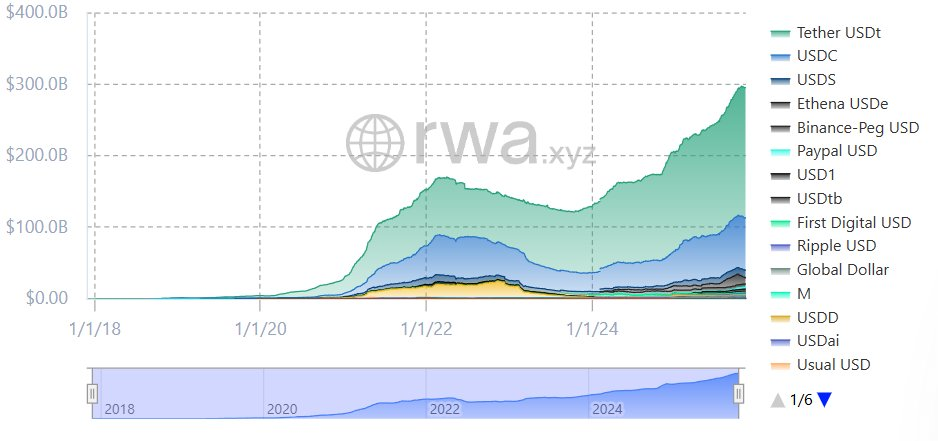
The total market value of yield stablecoin protocols surged 13 times in just two years, soaring from $666 million in August 2023 to $8.98 billion in May 2025, and peaking at $10.8 billion in February 2025.
Currently, yield-based stablecoins account for 3.7% of the overall stablecoin market (with a total size of $300 billion). There are more than 100 yield stablecoins on the market, with leading players including Ethena's susDE and Sky's susds/sDAI, which together account for 57% of the market share (approximately US$5.13 billion). Since mid-2023, these agreements have cumulatively distributed nearly $600 million in revenue.
The rapid development of yield-based stablecoins shows that stablecoins are not only a payment tool, but also a new choice for users to pursue stable returns.
Drivers of Emerging Stablecoin Inflows: Two Key Factors
Innovation in core mechanisms: The recent growth of stablecoins has been largely due to breakthroughs in their core concepts. For example, Ethena's USdE uses a delta-neutral hedging (delta-neutral hedging) mechanism, while Curve's crvUSD introduces a soft liquidation mechanism (soft liquidation). These technological innovations not only helped the market recover from the Luna crash, but also propelled the stablecoin market to $300 billion.
The push for government regulation: Governments' recognition of certain types of crypto assets as financial instruments has opened the door to innovation in the industry. For example, the US passed the GENIUS Act in July 2025 (which requires 1:1 reserves, anti-money laundering/Know Your Customer (AML/KYC) compliance, and prohibits unsecured algorithmic stablecoins), European MiCA regulations, and related frameworks in the UK and Asia. These regulatory developments have not only boosted institutional adoption, but also boosted market trust, laying the foundation for the further development of stablecoins.
“New revenue models and white label distribution” ——@hazeflow
In an environment of low interest rates, new reward models, such as government intervention, can be introduced. The government can encourage users to use stablecoins by issuing incentives. In an environment of high interest rates, decentralized stablecoins in particular have an advantage; they can provide income or incentives through reserve assets. Simply holding stablecoins is enough for users to earn yearly revenue to offset the impact of inflation. This benefit can be converted into cash back or other practical benefits by partnering with businesses.
Stable infrastructure can be mutually beneficial with businesses such as Apple or Microsoft. Businesses can use this to create new sources of revenue, and stablecoins can use the company's large user base to promote its global development.
The US is a “fertile ground” for stablecoin development. The regulatory framework is gradually being improved, and the market size is also very impressive. In terms of actual use of stablecoins, countries with poorer economies prefer to use stablecoins as an alternative tool due to their weak national currencies.
Next, let's dive into the specific characteristics of different types of stablecoins to better understand their risk indicators and return mechanisms. I've specially written and created relevant visualizations to help you fully understand which mechanisms are more robust and how they perform differently in terms of revenue.
Stablecoins are the core pillar of DeFi, but putting all of your idle money into one protocol isn't the best option. Diversified investment is important, but in order to obtain sustainable and stable returns, the scope of diversification is limited, so it is necessary to carefully select the type of stablecoin suitable for use.
Stablecoin Categories
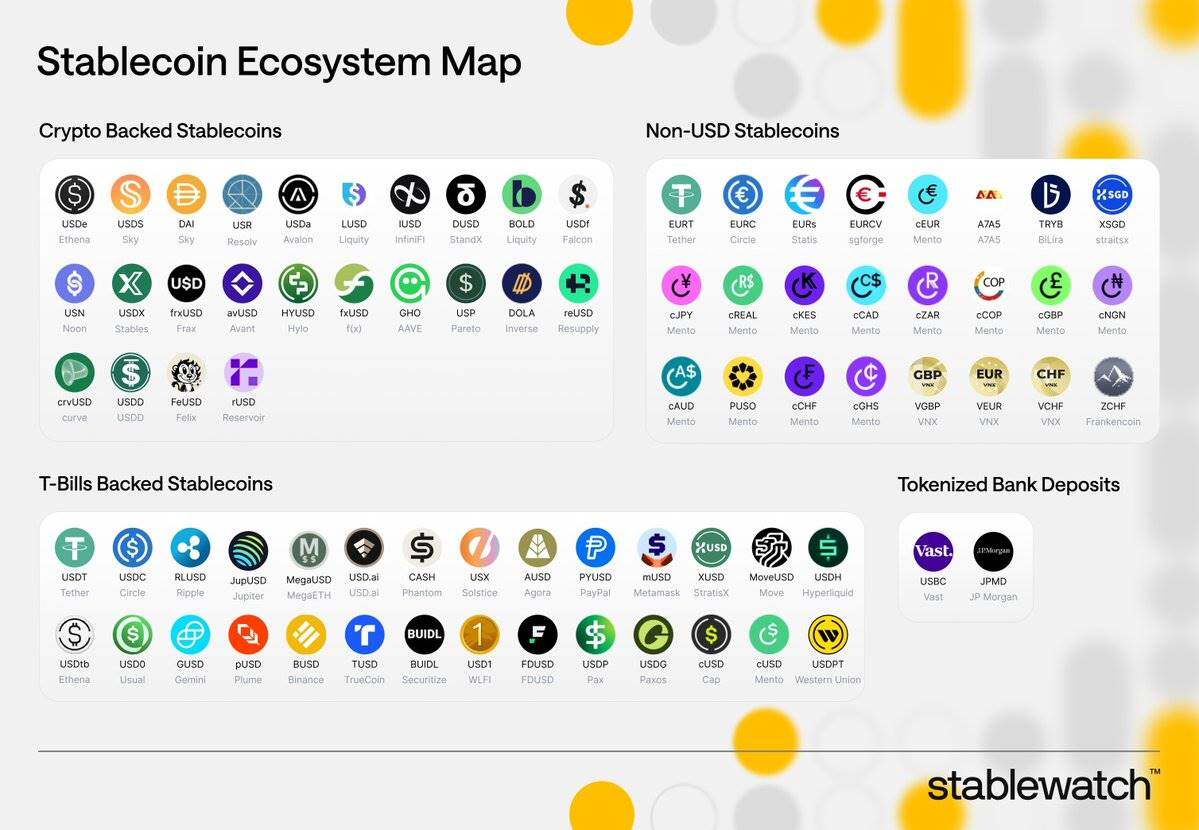
Collateral stablecoins (overcollateralized using cryptocurrencies or real-world assets)
Profit mechanism
Users lend stablecoins through overcollateralized assets (such as ETH, BTC), and the value of the loan is higher than the issued stablecoin, thereby generating revenue. These revenue streams include:
Borrowing costs
Interest on real-world assets (RWA, such as US Treasury bonds)
Agreed profit: The excess collateral portion acts as a buffer, enhancing the stability of the system.
example
USDS (Sky issuance): Proceeds are derived from real-world assets and loans.
GHO (Aave issuance): Proceeds are derived from borrowing fees.
USR (Resolv Issue): Proceeds come from the tokenization of assets.
USde (Ethena issuance): Proceeds come from staking ETH and futures trading.
USD0 (Avalon issue): Proceeds are derived from interest on real-world assets.
cUSD (Celo issuance): Revenue comes from natural resources support.
How are benefits generated
Interest generated on collateral assets (such as staking rewards or returns on real-world assets) is usually distributed to coin holders or pledgers through modules (such as savings rate modules). This mechanism not only provides users with benefits, but also further enhances the appeal and usage scenarios of stablecoins.
Profit mechanism
Stability is maintained by aligning supply (addition/destruction) through algorithms. Revenue sources include:
Seigniorage: An expense when minting coins.
Incentives: For example, governance token rewards.
example
USDF (Falcon Issuance): A hybrid model that provides earnings through perpetual futures.
USDO (Avalon distribution): Combines algorithmic mechanisms with real world assets (RWA).
How are benefits generated
Dynamic adjustment mechanisms create opportunities for arbitrage or rewards, and benefits are usually further amplified through DeFi integration (such as staking or liquidity provision) to provide incentives for users.
Fiat-backed or centralized stablecoins (for comparison)
Profit mechanism
1:1 support in fiat currency or equivalent assets, and earnings mainly come from reserves (such as treasury bonds). Underlying proceeds are generally not distributed to users, but are used for business operations.
example
USDC (issued by Circle)
USDT (Tether issue)
How are benefits generated
Low-risk interest on reserves is the main source of revenue, but the degree of decentralization is low, and more revenue is reserved for corporate use rather than directly distributed to users.
Risk indicators
Depeg Risk
Decoking occurs when a stablecoin fails to maintain its expected anchor of $1. This is usually caused by extreme market pressure, an imbalance between supply and demand, or a sharp drop in the value of underlying collateral. This risk is inherent in stablecoin models because they rely on economic incentives, algorithmic mechanisms, or reserves, which may fail in the event of a crypto market crash or broader financial turmoil.
Collateral stablecoins: If reserves are insufficient or lack liquidity, they may be unanchored.
Algorithmic stablecoins: Relying on a weak arbitrage mechanism, they may collapse during a panic sell-off.
Important additions
Types of unanchoring mechanisms
There are two types of unanchoring:
Temporary de-anchoring: It is usually possible to resume due to short-term liquidity crunch.
Permanent failure: such as the “death spiral” that occurs in low collateral systems. Metrics to monitor include:
Anchored deviation percentage: Track the frequency with which the price deviates ± 0.5% within 24 hours.
Reserve transparency: Monitor reserve ratios through on-chain audits.
Redemption speed: Redemption efficiency during a stress test.
Market contagion effect
The de-anchoring of a stablecoin could trigger a ripple effect in the DeFi ecosystem, similar to a “squeeze.” Since stablecoins are often used as collateral in loan agreements, this situation can amplify losses.
Risk mitigation strategies
Regular reserve audits.
Maintain an overcollateralization rate of over 100%.
It uses a hybrid model that combines fiat currency support and algorithm adjustments. However, even well-supported stablecoins aren't completely immune. For example, during times of high market volatility, arbitrators may delay intervention due to high gas fees or network congestion.
Recent developments
As of 2025, with the widespread use of stablecoins, the forecasting model has focused on decoupling risk, taking into account collateral volatility, issuance volume, and macroeconomic indicators (such as the impact of changes in interest rates on treasury bond-backed reserves).
Case Event: TerraUSD (UST) Unanchored
In May 2022, the UST stablecoin lost its $1 anchor and the price dropped to close to zero. More than $40 billion of ecosystems collapsed due to failed algorithmic mechanisms and market panic. This incident highlights the vulnerability of algorithmic stablecoins under extreme market conditions.
Smart contract loopholes
Code flaws or exploited weaknesses in the protocol could lead to hacking or loss of funds. Stablecoin protocols that run longer are generally more resistant to these vulnerabilities, while newer stablecoin protocols face higher smart contract risks due to lack of practical testing (without “actual” testing).
As the core framework of stablecoin protocols, smart contracts may contain code bugs, logic flaws, or exploitable weaknesses, leading to unauthorized access, theft of funds, or failure of protocol functionality. In contrast, protocols that have been running for a long time and have been fully tested generally perform more robustly because they have experienced extensive audits and real-world scenario verification; while emerging protocols are riskier because the code is unverified.
Important additions
Audit and testing practices
The importance of the following measures is emphasized:
Multiple independent audits (such as those performed by agencies such as Quantstamp or Trail of Bits).
Use formal verification tools.
Continue to run a bug bounty program to uncover potential issues before and after launch. Relevant metrics include the number of audits, time since the last major update, and whether there have been any historical vulnerabilities.
Oracle dependency
Stablecoin protocols often rely on external data sources (oracles) to obtain collateral price information, which can be a weak link to be manipulated. For example, through flash loan attacks, attackers can distort prices for a short time, triggering unnecessary liquidation (which in turn causes temporary unanchoring).
Ecosystem-wide impacts
Smart contract vulnerabilities don't exist in isolation. A protocol hacking attack could affect integrated stablecoins, trigger a chain of liquidation of the entire stablecoin agreement (because these protocols support each other or use similar collateral), and ultimately lead to a crisis of trust and a decline in adoption. For example, the SVB (Silicon Valley Bank) default caused USDC to temporarily unanchor, which in turn impacted the entire DeFi ecosystem.
Case Event: Ronin Network Hacker Attack
In March 2022, attackers exploited the vulnerability to steal $620 million worth of ETH and USDC from Axie Infinity's cross-chain bridge.
Regulatory risk
Stablecoins are facing increasing government scrutiny, covering aspects such as anti-money laundering (AML), identity verification (KYC) requirements, securities classification, and transparency in fiat currency support. This could lead to operational restrictions, asset freezes, or even a complete ban, particularly for stablecoins that integrate with real-world assets (RWA) or conduct international business. In jurisdictions where crypto policies are changing, this risk is further amplified, affecting its global availability.
Important additions
Global regulatory differences
EU: According to the Crypto Asset Market Regulation (MiCA), stablecoin issuers must hold reserves in licensed banks and maintain liquidity buffers.
US: Focus on classifying some stablecoins as securities and are regulated by the US Securities and Exchange Commission (SEC).
Emerging markets: Capital controls may be implemented to limit cross-border capital flows. Agreements must comply with regulatory requirements in their jurisdiction to reach local users, adding to the complexity of development. Furthermore, the agreement also requires the selection of a jurisdiction suitable for legal operation, and the EU is not a priority choice.
Compliance Metrics
The following metrics need to be monitored:
The issuer's license status.
The frequency of reserve reports.
The degree of association with the sanctioned entity. Non-compliance may result in the removal of the exchange, which in turn will result in loss of user trust and user base.
geopolitical factors
Stablecoins pegged to the US dollar are at risk of changes in US policy, such as technology export controls or the extension of sanctions to crypto entities.
Stablecoins mostly anchor dollar assets, but what will happen if the US financial system collapses or its financial influence on Asia or the EU weakens?
Potential solution: The Swiss franc, as a relatively strong currency, may be a new option. Developing stablecoins backed by the Swiss franc may have advantages in terms of diversification, trust, and foreign exchange.
The positive side
Regulation can enhance legitimacy, but excessive regulation can stifle innovation and force users to switch to unregulated alternatives.
Case event: Tornado Cash sanctioned
In August 2022, the US Office of Foreign Assets Control (OFAC) imposed sanctions on Tornado Cash, blacklisted its address, and prohibited US citizens from interacting with it, while freezing $437 million in assets.
Liquidity risk
Liquidity risk refers to a situation where users experience significant price slippage when trading stablecoins due to insufficient market depth. This risk is particularly severe in low-volume markets, during panic sell-offs, or in low-traffic exchanges. In contrast, mature stablecoins with high TVL (total hedging volume) and deep liquidity pools perform better because their long-term development has brought about network effects and reduced the risk of slippage.
Key Takeaways:
Metrics:
On-chain data is used to assess liquidity health, such as TVL (which can be queried via DeFiLlama), 24-hour trading volume to market capitalization ratio, and slippage rate of major decentralized exchanges (DEX) during periods of peak volatility.
A healthy ratio is the daily trading volume reaching 5-10% or more of the circulating supply.
Market depth issues:
In a bear market, demand for redemption may exceed the ability to mint coins, thereby depleting liquidity reserves.
Chain Liquidation Risks:
Similar to a bank overrun situation, when large-scale withdrawals occur, it forms a self-fulfilling prophecy — what was originally only a “perceived lack of liquidity” eventually evolved into a real liquidity crisis.
Improvement measures:
Integration with automated market makers (AMMs) and liquidity incentives (such as liquidity mining rewards, Merkl, Turtle, etc.) can enhance market elasticity.
However, excessive reliance on incentives may lead to “human mobility,” which quickly evaporates in the midst of a crisis.
Case Study: FTX Crash Incident
In November 2022, FTX's crash triggered a $8 billion liquidity gap, which interrupted withdrawals and ultimately went bankrupt. The crisis was exacerbated by massive capital outflows and became a typical example of liquidity risk.
Counterparty risk
Stablecoins usually rely on third parties, such as custodians to manage real-world assets (RWAs), oracles to provide price data, or cross-chain bridges to achieve cross-chain functionality. These third parties can be potential points of failure, posing risks due to bankruptcy, fraud, or operational errors.
Important additions
Risk of failure of trusteeship agencies and oracles
Custodian: The custodian may face the risk of default, causing reserve assets to be unpayable.
Oracles: Oracles such as Chainlink can provide inaccurate data during network outages, causing collateral pricing errors.
Evaluation Metrics
The degree of diversity of fiduciaries.
Insurance coverage.
The degree of decentralization of oracles. Relying heavily on centralized APIs may increase risk. For example, Curve's crvUSD stablecoin uses price data from multiple stablecoins to calibrate the price of an oracle to ensure price accuracy.
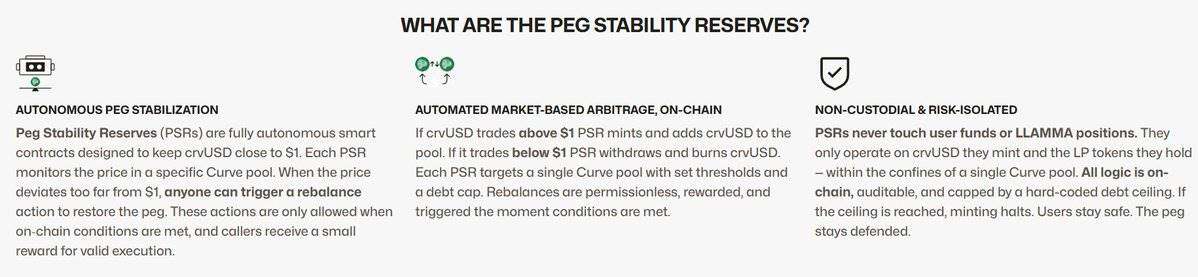
Counterparty risk management requires scrutiny from multiple dimensions, including the decentralized nature of the custodian, the reliability of the oracle data, and the degree of decentralization to reduce potential crises caused by a single point of failure.
The risk of interdependence
In the asset tokenization scenario, chain dependency between counterparties may amplify the problem. For example, an associated protocol is hacked, which may cause the stablecoin redemption function to be frozen.
Legal protection risks
In the case of bankruptcy, the holder may be classified as an unsecured creditor, and very little money can be recovered. This highlights the importance of having diversified reserves. As can be seen from the operating model of some stablecoins, they rely on certain types of collateral, and these collateral aren't even directly managed by them (usually short-term treasury bonds, with a risk of default close to zero). However, other protocols may be overly reliant on ETH-LST, BTC-LST, or SOL-LST, raising concerns about yield fluctuations.
Case Event: Celsius Network Bankruptcy
In June 2022, Celsius Network froze $4.7 billion in user funds due to under-liquid investments and counterparty defaults leading to bankruptcy.
Risk of earnings fluctuations
Stablecoin earnings usually come from loan agreements or treasury bond investments, but these benefits fluctuate as market conditions, borrowing demand, and interest rates change. This volatility reduces predictability for users seeking stable passive income.
Important additions
Factors Affecting Earnings
In an environment of low volatility, demand for borrowing decreases and returns fall; during a bull market, earnings may rise.
For stablecoins linked to real-world assets (RWA), external interest rates (such as the Federal Reserve Fund Interest Rate) are also an important factor affecting earnings.
Risk assessment indicators
Monitor historical revenue ranges.
Analyze the correlation between earnings and the Crypto Market Volatility Index (CVIX).
Focus on the agreement's utilization rate (borrowing more than 80% usually means higher returns, but with it comes increased risk).
Sustainability issues
High returns may suggest potential risks, such as excessive leveraging.
The sustainable return model prioritizes “delta-neutral” strategies (such as Ethena) to achieve more stable returns by minimizing directional risk, which is part of the reason for its success.
User impact
Earnings fluctuations can result in opportunity costs: Users may miss out on other higher-yield opportunities.
If earnings fall below the fiat savings rate, there is also a risk of inflation erosion.
Case event: Aave and Compound's earnings drop
In the winter of 2022, Aave and Compound's yield dropped from 10% + to less than 2% due to weak borrowing demand.
Specific risk analysis
Smart contract flaws (due to complex borrowing modules), regulatory risks (real-world asset exposure associated with US government-backed securities triggering scrutiny), and yield fluctuations (dynamic savings interest rates may fall).
Sky Dashboard Metrics
Specific risk analysis: Loopholes in the lending mechanism (excessive collateral may trigger a chain reaction of liquidation), failure to generate returns (if demand for loans falls, returns may drop to zero).
GHO dashboard metrics
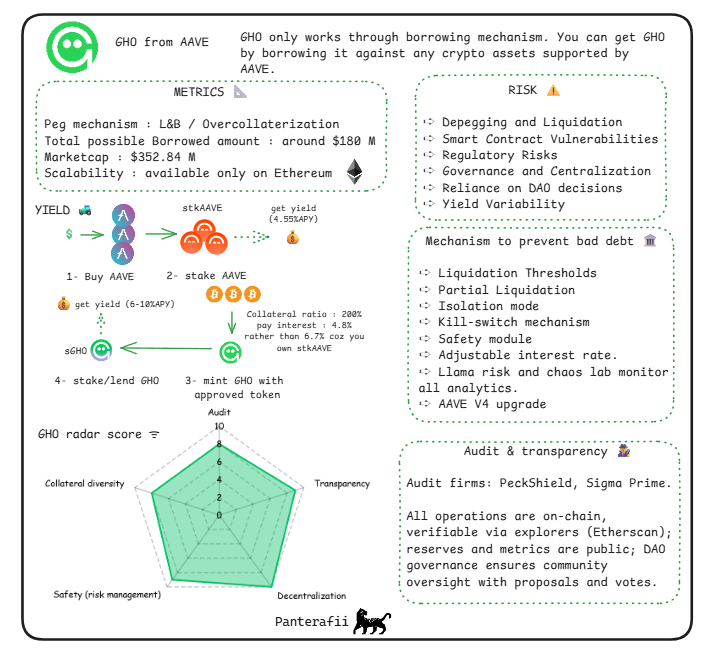
Specific risks: Undercollateral risk (if real-world assets depreciate), liquidation threshold risk (high volatility of the underlying ETH/BTC), security module failure (insurance-like buffers may be insufficient).
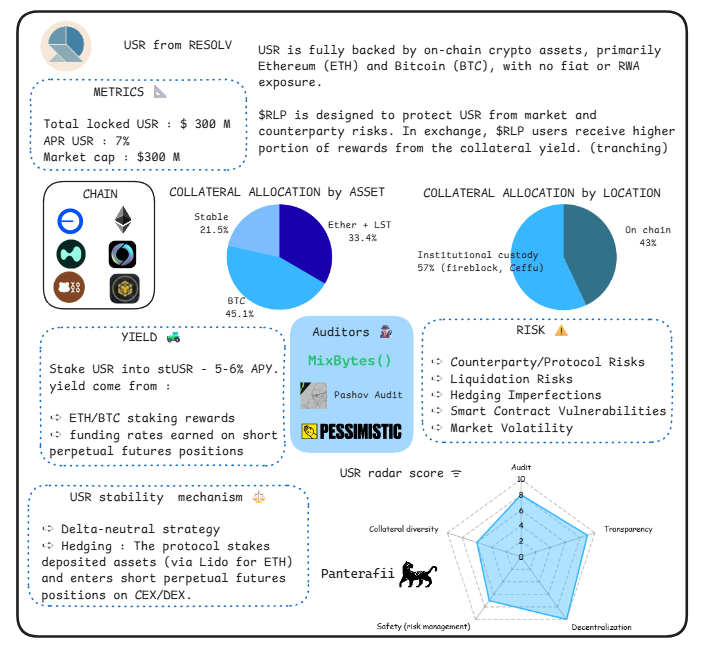
USR dashboard indicators
Specific risk: Earnings generated through automatic compound interest staking rewards make them vulnerable to ETH punitive reduction events or periods of low yield, unlike stablecoins that are completely overcollateralized.
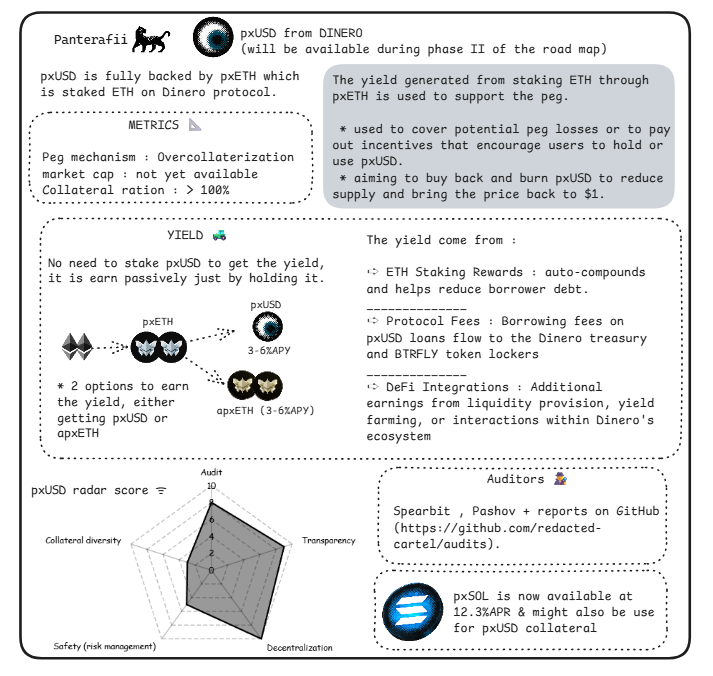
Dinero dashboard indicators
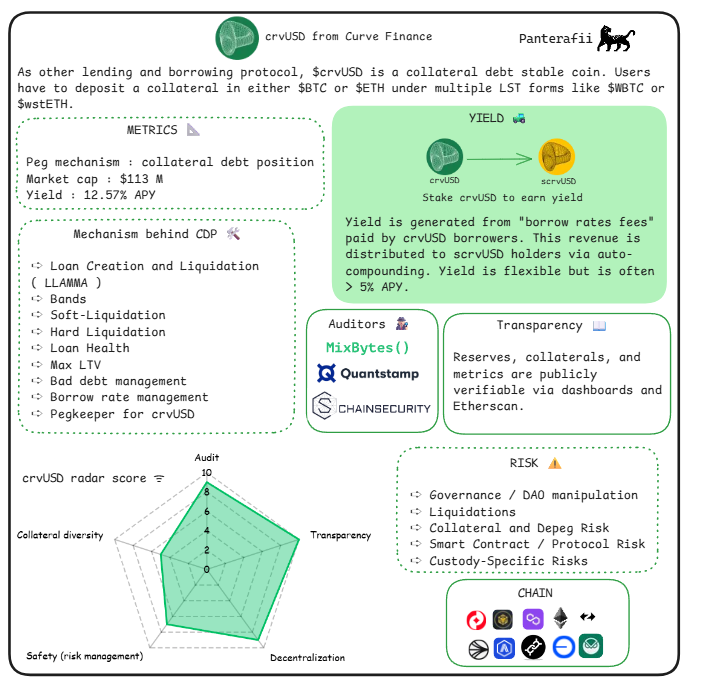
Specific risk: crvUSD's CDP model (150-167% health ratio, supported by BTC/ETH LST) focuses on borrowing, making liquidation chain reactions a major risk during market fluctuations. The benefits come from flexible fees, and usually the annualized rate of return (APY) exceeds 3.5%.
crvUSD dashboard indicator
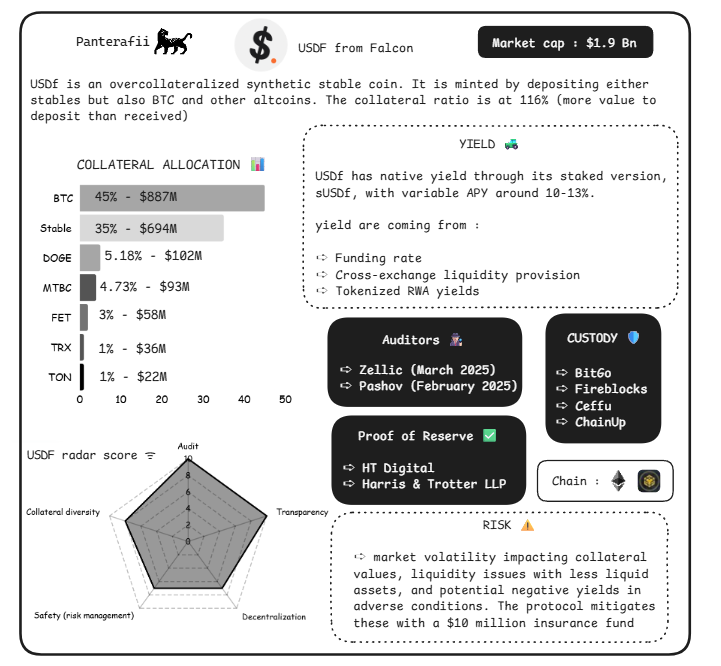
Specific risks: Market fluctuations in the underlying asset (futures may cause rapid losses), regulatory compliance issues (as a stablecoin linked to PPI), and counterparty risk on exchanges.
Falcon dashboard indicators

Specific risks: USDA's converter goal is to prevent de-anchoring by allowing mint/destruction at a limited cost (such as $1 million TVL and the same as $1 billion TVL), but this also introduces autonomy risks, such as governance operating without intervention, making it vulnerable to hacking or the failure of its 85% SteakUSDC-backed collateral.
Angle analysis indicator
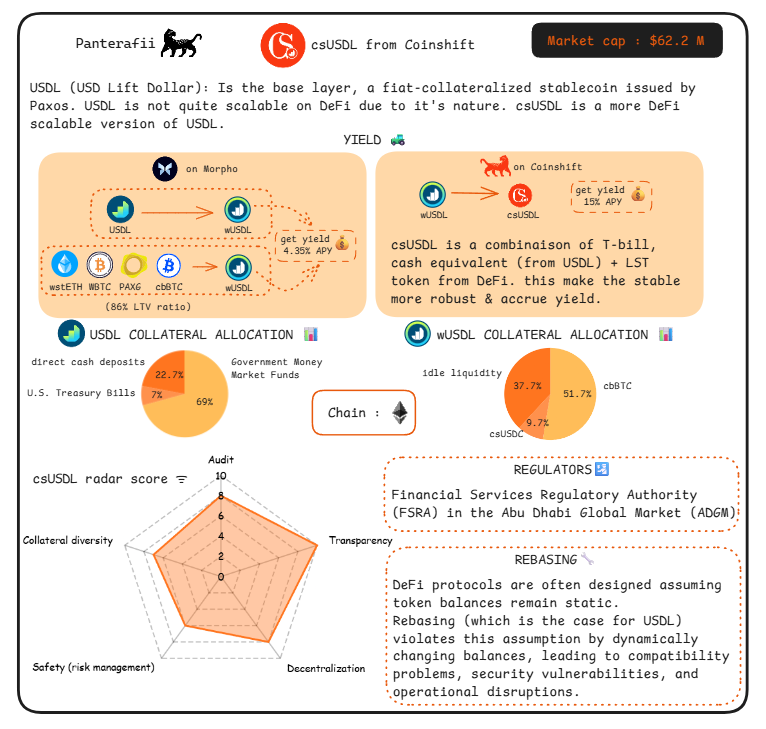
Specific risk: CSUSD's tripartite market (holder, generator, re-pledger) achieves uniqueness through yield rebalancing (derived from treasury bonds/T-bills and liquid pledge token LST), but this mechanism is risky when the balance changes, which may cause compatibility issues with DeFi protocols.
Coinshift analytical indicators
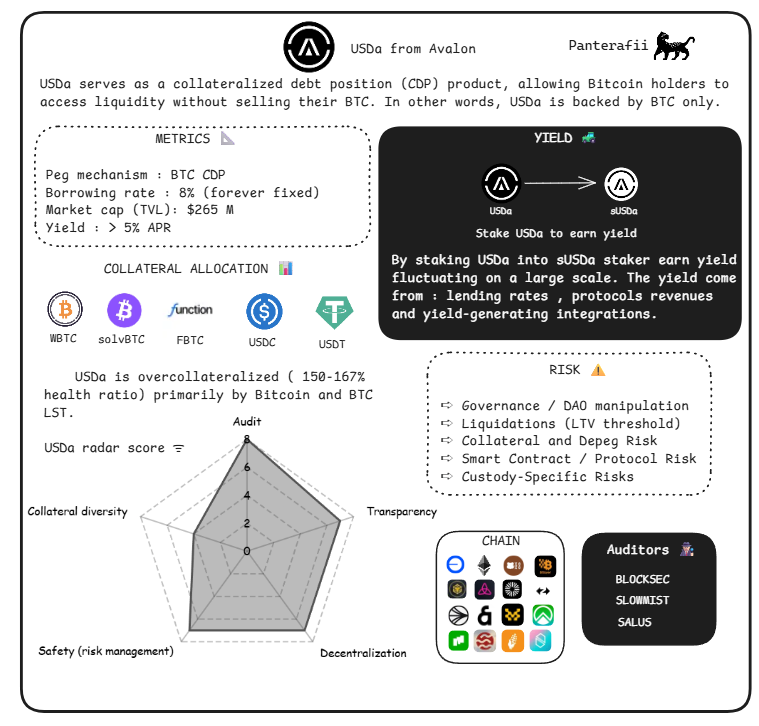
Specific risk: The USDA's fixed borrowing rate (8%) and the BTC-only CDP model (revenue from an annualized yield of more than 5%) exposed them to the risk of BTC price fluctuations. Unlike diversified collateral, it did not mention an overcollateral buffer mechanism.
Avalon analytical indicators
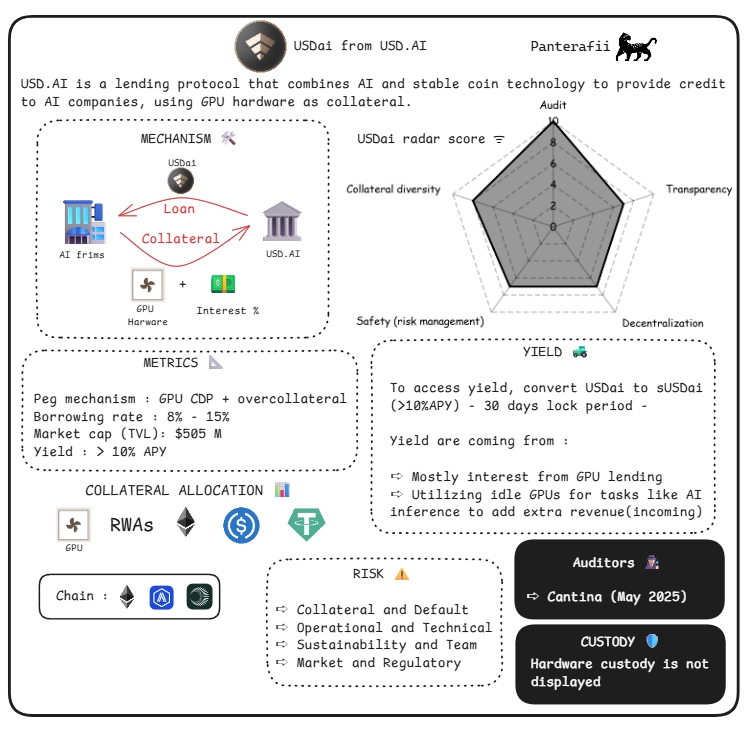
Specific risk: GPU CDP is an illiquid asset.
uDAI analytical indicators
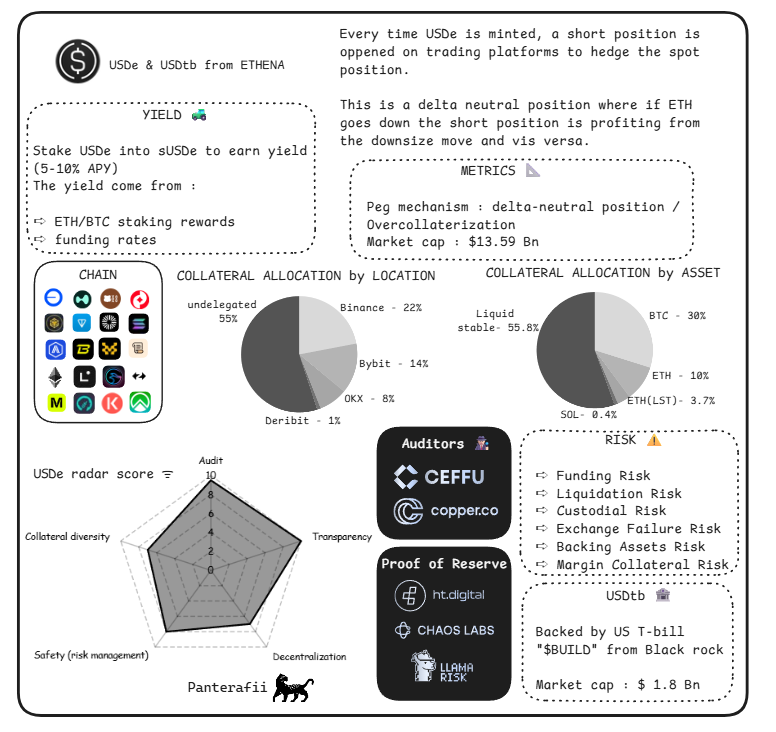
Specific risks: sharp increases in interest rates (futures positions may depreciate), capital rate fluctuations (negative rates erode earnings), and risk of perpetual futures (liquidation due to a market crash).
Ethena analytical indicators

Specific risks: Escrow specific risks (real-world asset RWA managed by “Hashnote”).
Analytical Metrics
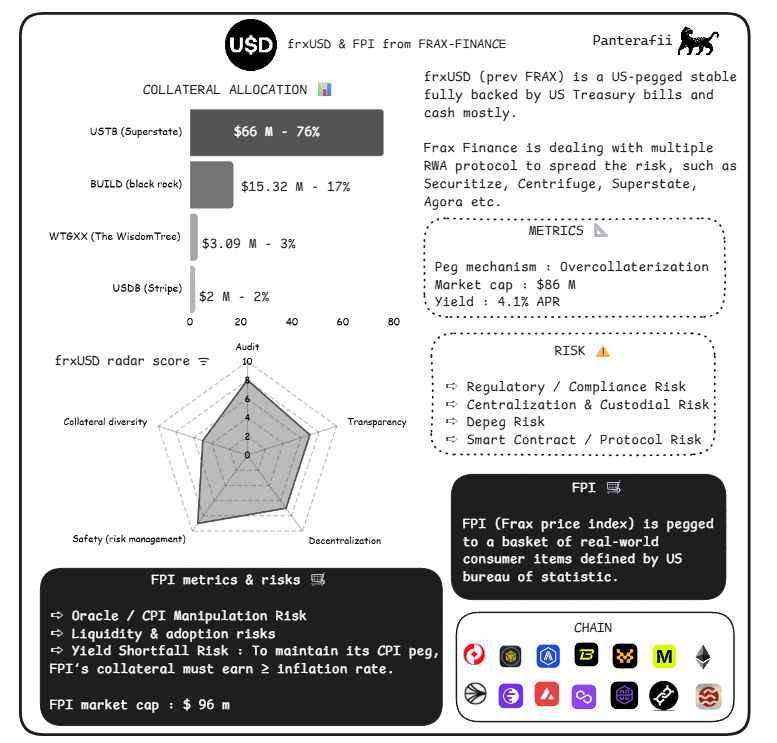
Specific risk: Hybrid mechanisms may increase the risk of anchoring failure in the face of economic changes.
Frax analytical indicators
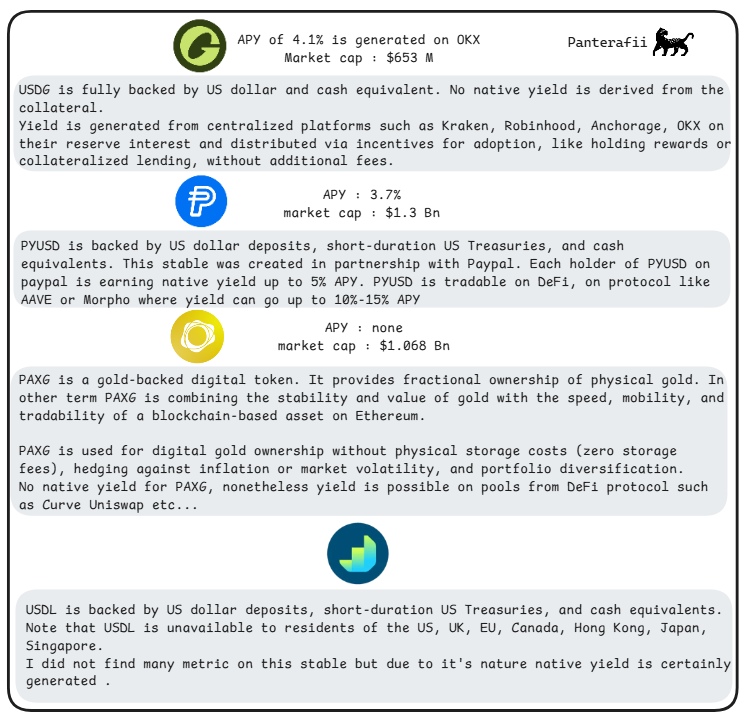
Paxos transparency report
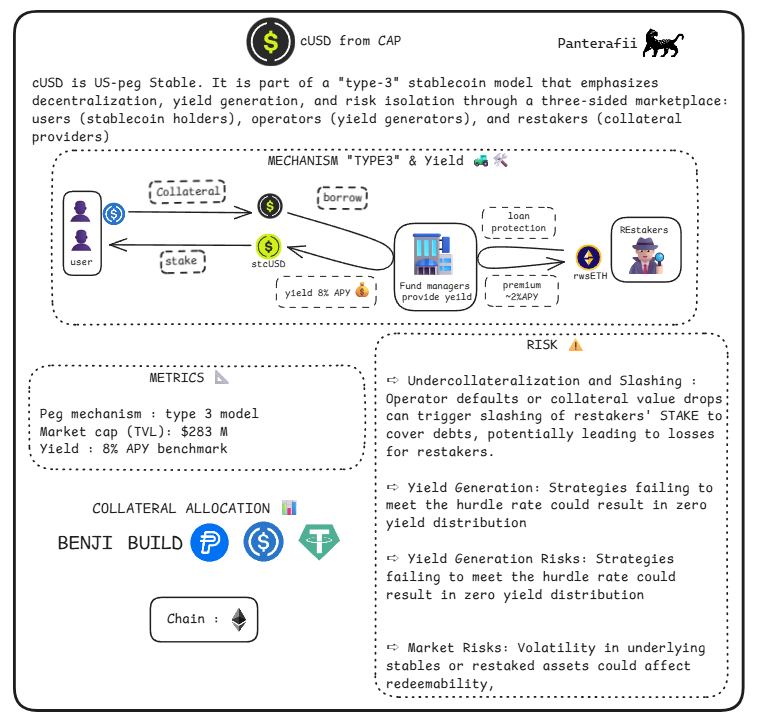
Specific risk: cUSD emphasizes decentralization, yield generation, and risk segregation through a tripartite market (holder, generator, and re-pledger), which poses a unique risk of reduction for re-stakers. Their returns (based on an 8% annualized rate of return) depend on the effectiveness of loan protection mechanisms, and if they fail, they will face risks.
The current state of the Solana stablecoin ecosystem
The Solana ecosystem is ushering in the rapid development of stablecoins, and the market is rumored that it may launch ETF products to further boost ecological growth.
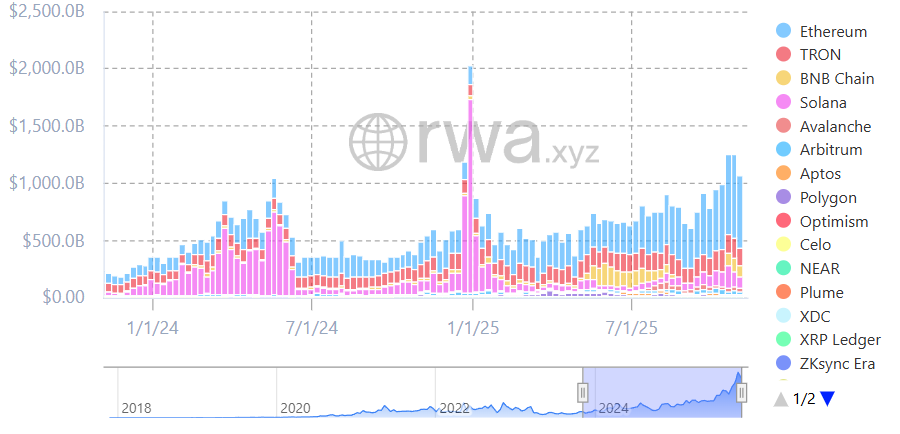
Figure: Stablecoin transfer volume
Solana is in the top five for on-chain stablecoin transfers.
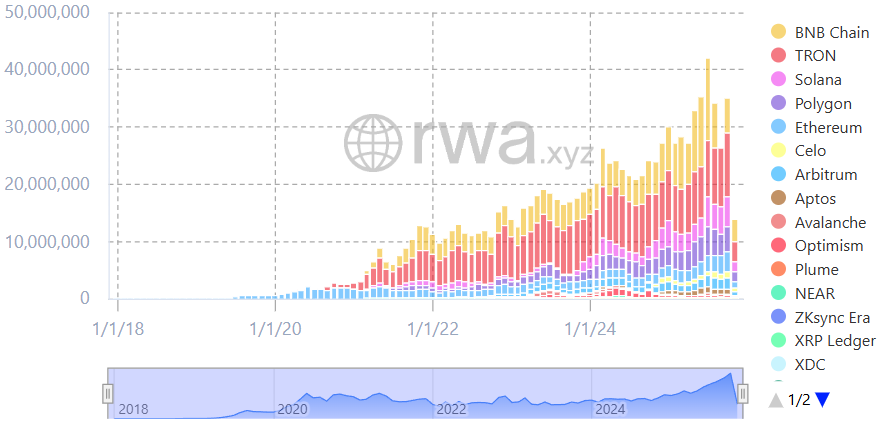
Figure: Active stablecoin addresses
Solana is in the top three in the stablecoin active address network.
Some native stablecoins with innovative algorithmic mechanisms are emerging, including Jupiter's JupUSD, Solstice's USX, and HyUSD by Hylo.
These stablecoins all use ingenious algorithmic mechanisms to maintain anchoring, and deserve continued attention.
Here's an introduction to the Hylo HyUSD earnings mechanism:
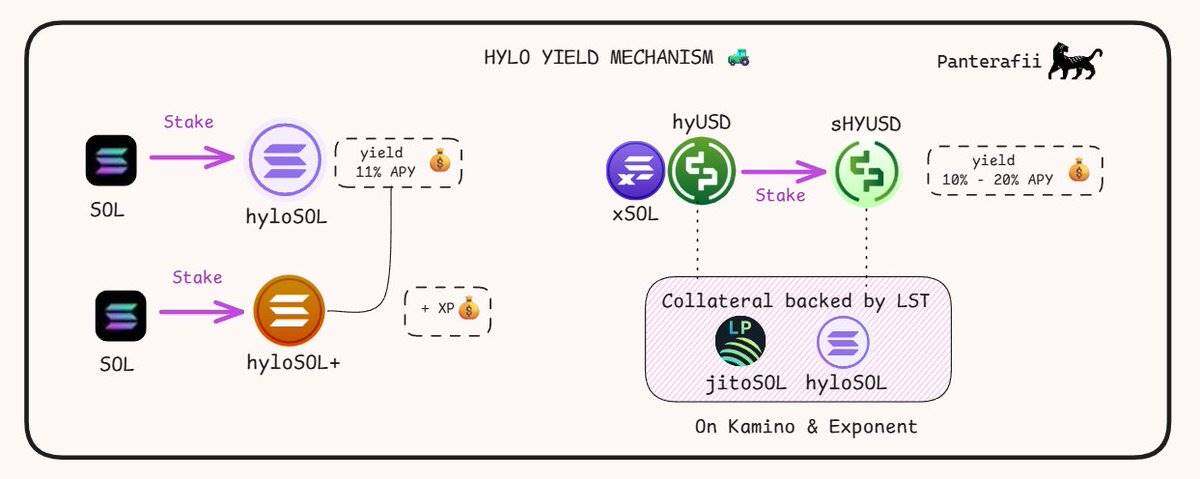
HyloSol: Hylo's LST (Liquid Staking Token), which generates revenue through SOL staking earnings.
HyloSol+: A point-farmed LST that earns only XP points, with actual earnings transferred to HyloSol holders.
HyUSD: Hylo's stablecoin, backed by various LSTs and supported by Solana's DeFi strategy, but does not generate revenue on its own.
shyUSD: A staked version of hyUSD that generates revenue through LST's DeFi strategy.
xSOL: A buffer asset to absorb volatility and regulate HyUSD's anchored price. This asset is a leveraged position at the price of SOL that does not generate revenue, but can earn XP points.
epilogue
Sometimes, the relationship between earnings and collateral doesn't always match. This is exactly what happened when Terra Luna crashed, when APY stabilized at around 20% but revenue was clearly insufficient. Therefore, it is important to focus on the correlation between earnings and collateral, as this is often the root cause of problems.
Our friend made an interesting point about the uDAI stablecoin:
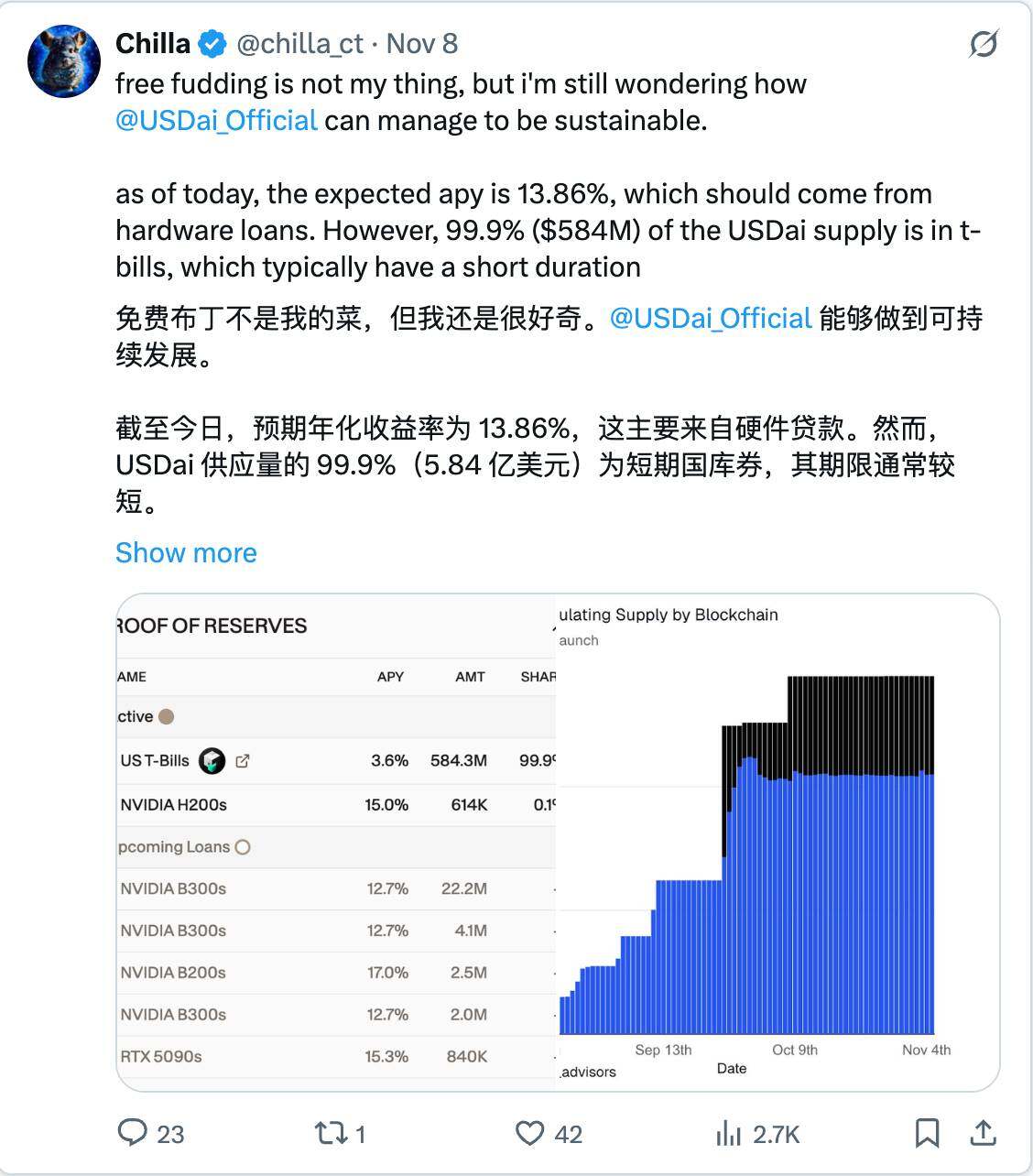
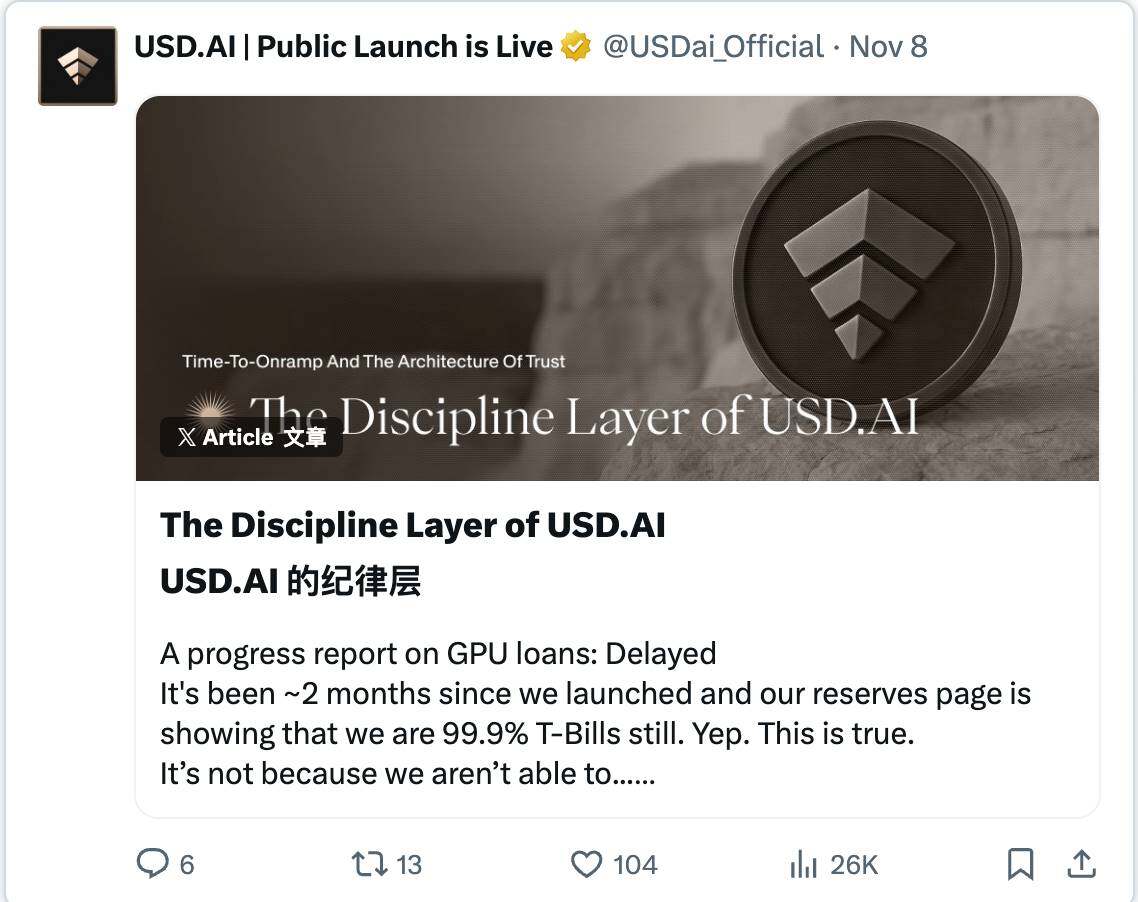
uDAI has responded to this issue, saying there is a delay in GPU loans. Borrowers want USDAi, while lenders struggle with transportation issues with collateral. “The NVIDIA B200 video card was stranded in French customs after leaving Taiwan” is a typical example.
Hope you enjoyed this post. I am convinced that DeFi will one day become a core force driving the operation of finance. Here, I share some innovative ideas about strategies, concepts, and agreements.
Thanks for reading and have a great day!
Twitter:https://twitter.com/BitpushNewsCN
Compare the TG exchange group:https://t.me/BitPushCommunity
Compare TG subscriptions:https://t.me/bitpush
