天才法案 · 70
2026 US Cryptocurrency Sector Overview: Where Are the Opportunities, How to Control Risks, and How to Allocate Funds?

2026 US Cryptocurrency Sector Overview: Where Are the Opportunities, How to Control Risks, and How to Allocate Funds?

Author: BIT Original Article Title: 2026 US Cryptocurrency Sector: Opportunities, Risks, and Allocation Framework Since the US Securities and Exchange Commission (SEC) historically approved the Bitcoin Spot ETF in January 2024, the US cryptocurrency investment sector has matured substantially. As of 2026, investors can participate in the cryptocurrency market through four main channels: spot ETFs, crypto equity companies (mining companies, Bitcoin treasury companies, and Ethereum treasury companies), leveraged/inverse ETFs, and blockchain-themed funds. One new trend worth watching is the rise of dedicated Ethereum treasury companies — represented by Bitmine Immersion Technologies (BMNR). Unlike Bitcoin Treasury, ETH Treasury can generate native income through staking, forming a significant business model difference. Total BTC spot ETF size: $86.9 billion (as of March 30, 2026) Total ETH spot ETF size: about $18 billion (as of the end of 2025) BMNR Ethereum holdings: 4.8 million ETH, with a market capitalization of about $10.8 billion, accounting for 3.98% of the global ETH supply Market dynamics: Bitcoin has fallen by about 18% since the beginning of 2026, and institutional capital is moving towards fixed income assets on the chain. Chapter 1: Cryptocurrency Spot ETFs — The Red Sea of Giants Games1. Bitcoin ETF: The dominant Bitcoin spot ETF was launched in January 2024 and quickly became the fastest growing ETF category in history. As of March 30, 2026, Bitcoin spot ETFs listed in the US held a total of about 1.29 million BTC (total size about $86.9 billion). The market is highly concentrated — BlackRock's iShares Bitcoin Trust (IBIT) alone accounts for about 60% of the assets in the class. $IBIT (BlackRock): With assets of approximately $55 billion, it has an absolute dominant position with 60% market share and a rate of 0.25%. $FBTC (Fidelity): The size is approximately $1.3 billion, and the rate is 0.25%. Grayscale Gemini: $GBTC (scale of about $10 billion, rate of 1.50%) and**BTC Mini Trust** (scale of about $3.5 billion, rate of 0.15%). New entrants: Morgan Stanley's $MSBT was officially listed in April 2026. 2. Ethereum and Altcoin Frontier Ethereum ETF: BlackRock's $ETHA (around $6.5 billion) is in the lead. Notably, BlackRock's newly launched $ETHB supports staked earnings for the first time, pioneering ETFs to obtain native returns. Altcoin ETFs: With regulatory reforms in 2025, the XRP and Solana categories each attracted around $1 billion in funding. It is expected that in 2026, more than 26 emerging altcoin ETFs (such as Dogecoin, Chainlink, etc.) will be launched one after another. Chapter 2: Cryptographic Treasury and Mining Companies 1. Bitcoin treasury and mining companies' challenges The BTC treasury model, led by $MSTR (MicroStrategy), came under pressure in early 2026. As the price of the currency fell close to the average cost of some companies, with the exception of MSTR (holding a position of about 700,000 units), most companies such as $MARA and $RIOT have almost stopped increasing their holdings. 2. Focus: $BMNR's “5% Alchemy” As the leader of the Ethereum treasury company, Bitmine Immersion Technologies ($BMNR) shows a very different business logic: large-scale accumulation: the goal is to hold 5% of the global ETH supply, and it has now accelerated purchases through the NYSE (NYSE) platform. Native hematopoietic function: Through MAVAN's pledge, BMNR generates approximately $196 million in recurring revenue each year. Compared to the BTC treasury, this “no need to sell coins to pay operating expenses” model is more resilient in a bear market. Chapter 3: Leveraged, Inverse, and Themed ETFs — A Sharp Double-Edged Sword 1. High-risk derivative leveraged ETFs amplify returns through derivatives, but they are also accompanied by severe compounding losses. Typical case: In the late 2025 market, $MSTX and $MSTU, which had doubled MSTR, plummeted by about 80%, causing about $1.5 billion of retail assets to evaporate. Major instruments: including $BITO (1x BTC futures), $ETHU (2x ETH futures), and $MSTZ, the reverse product for MSTR. 2. Blockchain themed funds...

124d agoLuxurytracy
How many percent of Trump's promises can be fulfilled after stepping down as the crypto “tsar”?

How many percent of Trump's promises can be fulfilled after stepping down as the crypto “tsar”?

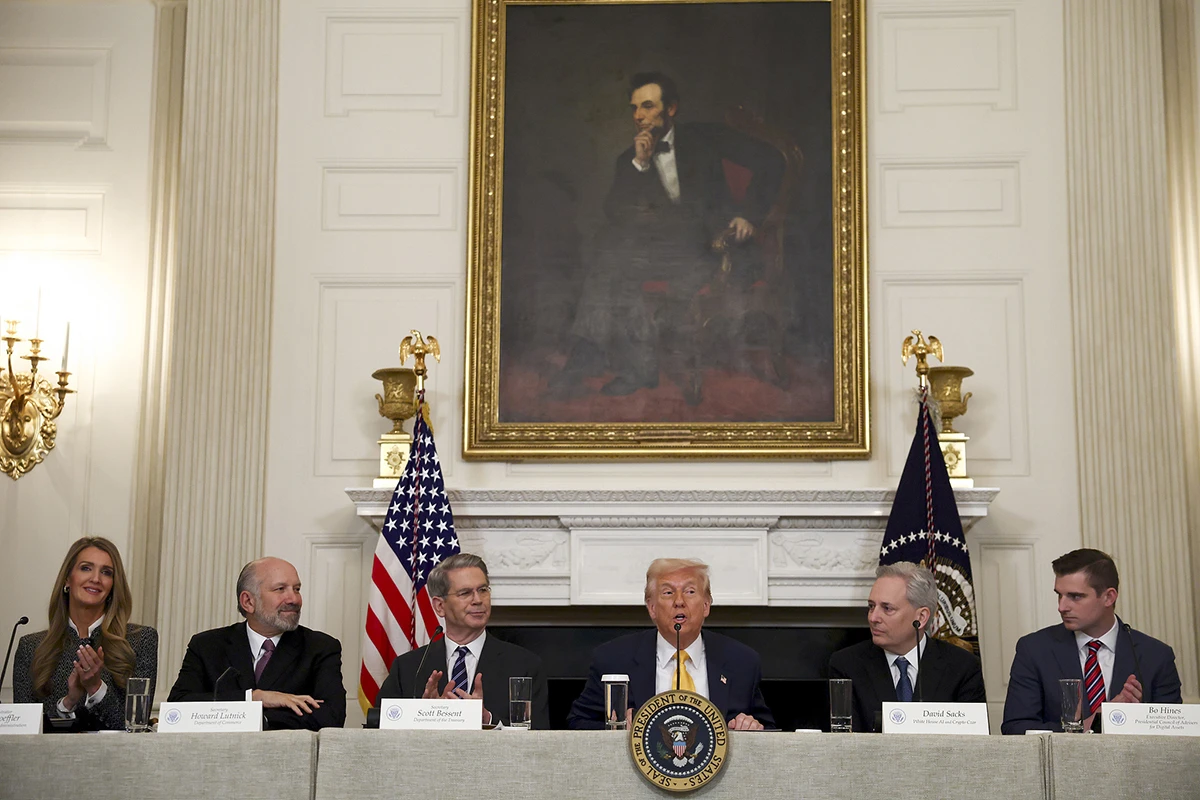
Author: Golem, Odaily Planet Daily Original title: “The Crypto Tsar” steps down, how many crypto promises are left from Trump? “Crypto Tsar” David Sacks is leaving. David Sacks explained that he stepped down from the relevant position because he had reached the 130-day term limit for special government employees, and he will continue to participate in relevant government affairs as co-chairman of the President's Science and Technology Advisory Committee in the future. On December 6, 2024, Trump announced the appointment of David Sacks as the White House's head of artificial intelligence and cryptocurrency affairs. Because Trump directly called him “White House A.I. & Crypto Czar,” David Sacks received the title “Crypto Czar.” This is not an official name; it is just a role for David Sacks to formalize his influence. In his letter of appointment, Trump specifically expressed his expectations for David Sacks in the crypto field, “promoting the establishment of a clear legal framework to provide the cryptocurrency industry with the clarity it has needed for a long time, so that it can thrive in the US.” In terms of motivation, in 2024, Trump made a number of crypto promises to gain the support of the US crypto community, so after successfully taking office as president, he needed a competent person to help him fulfill these promises. David Sacks is the policy enforcer chosen by Trump. David Sacks did live up to Trump's expectations and achieved some political results during his 130-day term: banning CBDCs, holding the first White House crypto summit, establishing the US Strategic Bitcoin Reserve Act, and facilitating the passage of the Clarity Act. David Sacks has basically fulfilled several promises made to the crypto industry during Trump's campaign, so many people are willing to write a winning story about his tenure. On the surface, this is the case, but in reality, looking back at all of the things David Sacks did for the crypto industry, they all had one characteristic — full of political statements, but the crypto industry's sense of gain was very weak. In these 130 days, David Sacks wasn't reshaping the crypto industry; he was just completing a crypto political show for Trump. 1. White House Crypto Summit = Famous scenes of Trump boasting about this performance show include the White House Crypto Summit, which was ostensibly full of sincerity, and actually screamed horses the whole time and only shouted slogans. On March 7, 2025, David Sacks invited a number of crypto companies and industry figures to the White House on behalf of Trump, including a16z partner Chris Dixon, CEO of Ripple, CEO of Robinhood, Strategy founder Michael Saylor, CEO of Coinbase, etc., as well as a number of US government officials, including Trump and the Secretary of the Treasury. Cryptographers went to Washington. It's not that this incident hasn't happened before, but before, most of them went to hearings, scolded, and explained whether they were actually fraudsters. This time was different. The scene changed from a hearing seat to the White House, and the atmosphere changed from a fierce battle to a decent group photo. For the first time, cryptographers were treated as “guests” by the US government. David Sacks sat next to Trump, like a general director responsible for the conversation. At the White House crypto summit, David Sacks sat on Trump's left at such a high-end and highly anticipated government encryption conference. What did they say on the scene? Daily Planet Daily's reporter recorded watching the live broadcast that night. Everyone was filming Trump's ass the whole time, claiming to be a closed-door meeting to define the direction of crypto regulation for the next four years. No substantive policy documents were released throughout the event. Due to the disparity between the content of the conference and market expectations, the crypto market also immediately declined on the same day according to OKX quotes after the summit. Of course, this summit is symbolic, but the problem is that it is only symbolic. It has shown Trump's side by side, yet the things that the industry wants most, such as uniform, stable, and predictable regulatory boundaries, such as long-term rules that allow institutions to enter the market with peace of mind, such as the project parties don't have to guess every day what the SEC and CFTC will change their tone tomorrow, still haven't really arrived. It was a lively event, full of emotions, and what finally fell on the industry was the news side. If I had to ask why this conference was so empty, it was because the conference itself wasn't planned in advance...

145d agoLuxurytracy
“Crypto Tsar” Resigns: Political Show Ends, How Much Is Trump's Crypto Promise Left?

“Crypto Tsar” Resigns: Political Show Ends, How Much Is Trump's Crypto Promise Left?

Author: web3_golem Original title: “The Crypto Tsar” Resigns: 130 Day Political Show Ends, How Much Is Trump's Crypto Promise Left? “Crypto Tsar” David Sacks is leaving. David Sacks explained that he stepped down from the relevant position because he had reached the 130-day term limit for special government employees, and he will continue to participate in relevant government affairs as co-chairman of the President's Science and Technology Advisory Committee in the future. On December 6, 2024, Trump announced the appointment of David Sacks as the White House's head of artificial intelligence and cryptocurrency affairs. Because Trump directly called him “White House A.I. & Crypto Czar,” David Sacks received the title “Crypto Czar.” This is not an official name; it is just a role for David Sacks to formalize his influence. In his letter of appointment, Trump specifically expressed his expectations for David Sacks in the crypto field, “promoting the establishment of a clear legal framework to provide the cryptocurrency industry with the clarity it has needed for a long time, so that it can thrive in the US.” In terms of motivation, in 2024, Trump made a number of crypto promises to gain the support of the US crypto community, so after successfully taking office as president, he needed a competent person to help him fulfill these promises. David Sacks is the policy enforcer chosen by Trump. David Sacks did live up to Trump's expectations and achieved some political results during his 130-day term: banning CBDCs, holding the first White House crypto summit, establishing the US Strategic Bitcoin Reserve Act, and facilitating the passage of the Clarity Act. David Sacks has basically fulfilled several promises made to the crypto industry during Trump's campaign, so many people are willing to write a winning story about his tenure. On the surface, this is the case, but in reality, looking back at all of the things David Sacks did for the crypto industry, they all had one characteristic — full of political statements, but the crypto industry's sense of gain was very weak. In these 130 days, David Sacks wasn't reshaping the crypto industry; he was just completing a crypto political show for Trump. 1. White House Crypto Summit = Famous scenes of Trump boasting about this performance show include the White House Crypto Summit, which was ostensibly full of sincerity, and actually screamed horses the whole time and only shouted slogans. (Related reading: White House Cryptocurrency Summit: A political performance of whispering horses and shouting slogans) On March 7, 2025, David Sacks invited a number of crypto companies and industry figures to the White House on behalf of Trump, including a16z partner Chris Dixon, CEO of Ripple, CEO of Robinhood, founder of Strategy Michael Saylor, CEO of Coinbase, etc., as well as a number of US government officials Speeches, including Trump, the Treasury Secretary, etc. Cryptographers went to Washington. It's not that this incident hasn't happened before, but before, most of them went to hearings, scolded, and explained whether they were actually fraudsters. This time was different. The scene changed from a hearing seat to the White House, and the atmosphere changed from a fierce battle to a decent group photo. For the first time, cryptographers were treated as “guests” by the US government. David Sacks sat next to Trump, like a general director responsible for the conversation. At the White House crypto summit, David Sacks sat on Trump's left side at such a high-end and highly anticipated government encryption conference. What did they say on the scene? Daily Planet Daily's reporter recorded watching the live broadcast that night. Everyone was filming Trump's ass the whole time, claiming to be a closed-door meeting to define the direction of crypto regulation for the next four years. No substantive policy documents were released throughout the event. Due to the disparity between the content of the conference and market expectations, the crypto market also immediately declined on the same day according to OKX market conditions after the summit. Of course, this summit is symbolic, but the problem is that it is only symbolic. It has shown Trump's side by side, yet the things that the industry wants most, such as uniform, stable, and predictable regulatory boundaries, such as long-term rules that allow institutions to enter the market with peace of mind, such as the project parties don't have to guess every day what the SEC and CFTC will change their tone tomorrow, still haven't really arrived. It will be lively, full of emotions, and finally end up in the industry...

148d agoburnking#SEC #policy #Bitcoin #Trump #stablecoins #currency
Deeply dismantling Circle: a stablecoin empire “double kidnapped” by distribution and interest rates

Deeply dismantling Circle: a stablecoin empire “double kidnapped” by distribution and interest rates

Source: insights4vc Original title: Inside Circle's Stablecoin Economics Compiled and organized by BitpushNews Currently, Circle is still regarded as a reserve-income (reserve-income) business company rather than a large-scale software or payment platform. Its profit model is still closely tied to stablecoin balances, short-term interest rates, and share of revenue from reserves retained after paying huge distribution costs. FY2025 made this clear: reserve income accounted for $2,637 billion of total revenue and reserve revenue of $2,747 billion, while other revenue contributed only $1.1 billion. As a result, the company's recent financial position is still mainly driven by the economics of USDC average circulation, realized reserve yields, and partner revenue sharing agreements (particularly with Coinbase). FY2025 showed strong nominal revenue growth, with total revenue and reserve income rising from $16.76 billion in FY2024 to $2,747 billion. Reserve revenue increased from $16.61 billion to $26.37 billion, while other income increased from $15 million to $1.1 billion. Even so, Circle reported a net loss attributable to common shareholders for fiscal year 2025 of $70 million and a significant increase in operating expenses, including $845 million in compensation expenses. The core debate in 2026 is not about whether Circle is expanding strategically, but whether this strategic expansion is financially meaningful. The main variables remain: whether USDC balances continue to grow, how reserve yield evolves in an environment of low interest rates, whether distribution costs remain structurally heavy, and how quickly emerging revenue streams such as CCTP, CPN, and USYC related activities expand relative to the reserve revenue base. At this stage, Circle's strategic footprint is clearly expanding, but the core investment framework remains the same: it is still an interest rate sensitive and balance-sensitive financial infrastructure company, and its profits are dominated by reserve income rather than diversified platform monetization. Circle Overview Circle is a fintech company listed on the New York Stock Exchange (NYSE) under the stock symbol CRCL. The company submitted its FY2025 10-K Annual Report for the year ended December 31, 2025 on March 9, 2026. Circle's FY2025 balance sheet shows “stablecoin holders' deposits” of $74.9 billion, which highlights that the core of the company's economy is still the size and management of stablecoins supported by reserves, rather than the traditional software-only model. From an analytical perspective, Circle can be divided into four levels. First, it is a stablecoin issuer, mainly through USDC and EURC, and its liabilities are linked to outstanding stablecoins and quarantine reserve assets held for users. Second, it is a reserve income business that realizes reserve assets through interest and dividend income. Third, it's building a developer, payment, and infrastructure layer aimed at increasing the utility and transaction density of its stablecoins. Fourth, it is building a broader strategic stack around an “internet financial system,” including Arc, Circle payment networks (CPN), and tokenized asset infrastructure. However, the disclosed results show that the current financial substance engine is still a reserve revenue model rather than a large-scale software or transaction fee business. Circle reported total revenue and reserve revenue of $2,747 billion for fiscal year 2025, of which reserve revenue contributed $2,6368 million, leaving only a relatively small portion due to non-reserve activity. This distinction is critical to valuation. Circle's strategic narrative is clearly broadening, but the revenue structure still doesn't support seeing the company primarily as a story of revaluing a software platform. In Circle's earlier disclosure, “other products” accounted for only 1% of total revenue in 2024, although management also stated that other revenue accelerated significantly in 2025, and other revenue for the fourth quarter of 2025 was $37 million, up $34 million year over year. This supports a forward-looking platform narrative, but has yet to replace reserve balances, preparations...

152d agoWendy#Circle #Coinbase #USDC #depths #stablecoins #USD #viewpoints

The probability that the crypto market structure bill will pass will rise, and it may become a “heavy trigger” for a BTC rebound

Comparatively, according to Forbes reports, the probability of passing the Clarity Act (Clarity Act) recently rose to 90%, then fell back to about 70%, and may become a key variable in the next phase of the Bitcoin market. Many parties believe that this bill may be a “major trigger” for Bitcoin's rebound, similar to the market boost brought about by the previous “genius bill” driving stablecoin growth. Satoshi Action Fund co-founder Dennis Porter said that once the crypto market structure bill is signed, “the floodgates will be fully opened,” and trillions of dollars of capital may wait for the compliance framework to be implemented before entering the market. Currently, the market generally believes that if the Crypto Market Structure Act makes substantial progress, it will become an important catalytic factor for a new round of capital inflows into the crypto market.

182d ago
From the wild path to the table: Why compliance is the way to go

From the wild path to the table: Why compliance is the way to go

撰文:佐爷原文标题:合规是地下经济的成人礼2017 年的币安通过监管套利迅速成为世界第一,但 2025 年更自由的 Hyperliquid 只能占据币安 15% 的份额, 以及 RWA 作为 DeFi 底层资产来源到底有没有监管套利的空间和规模化的未来?合规成为 2026 主旋律,离岸所币安正式上岸阿联酋 ADGM,Coinbase 连下天才法案和清晰法案两城,甚至东方大国也「原则性」试水 RWA 监管。我们处在一个明确的拐点,区块链不会取代互联网,Web3 只是自以为是的骗局,上币效应随着币安购入比特币而告终,但是 Hyperliquid 在贵金属和预测市场发力,而以币(稳定币)、股(美股)、债(美债、次级债)和基(对冲、主动)为代表的 RWA 上链正当时。在此背景下,合规超越简单的「持小国牌,套大国利」的仪式作用,演变为交易、清算和托管分离的真实框架,当行业突破规模限制时,监管收益将有利可图。于无声处,合规不仅意味着上一场狂飙时代的落幕,惊雷阵阵,总有赛道存在发展换规模的套利空间。就从交易所开始,一窥合规之外的经济考量。文明华尔街,疯狂野蛮人野蛮的征服者,按照一条永恒的历史规律,本身被他们所征服的臣民的较高文明所征服。2022 年,FTX 以戏剧性的姿势崩溃,华尔街也曾萌发占领交易所赛道的想法,城堡证券、富达和嘉信三方合作,在新加坡启动 EDX Markets,按照交易和托管分离的原则,在新加坡 MAS 合规框架下运作。随着 Gary Gensler 主政的 SEC 对币安穷追猛打,Coinbase 和 Kraken 只能龟缩在美国现货市场,迟迟无法涉足合约、期权等高端市场,彼时,市场对 EDX Markets 也曾寄予厚望,如无意外,我们应该见证币安的陨落,如同 2020 年 3·12 之后的 BitMEX,但历史从不重复,Hyperliquid 才是真正赢家,劣化的币安和继续龟缩美国市场的 Coinbase ,竟然都不是下一幕的主角。要想知道成功者的经验,必须明白失利者的教训。币安在 2017 年成立后,至少做对了两件事:在积极拥抱出海同时,继续接纳中国大陆用户,交易刷量和用户规模之间互为跷跷板;2019 年上线 IEO(首次交易所发行),在 DeFi Summer 之前营造出真实的财富效应。在 9·4 禁令之后,针对中国大陆用户提供交易业务便处于「灰色地带」,第三款直接针对交易平台所设立,要求其不能提供报价、撮合和清算等业务,如果参考何一针对木头姐的回应,那么币安会以「不为中国大陆用户提供服务」来回应。从 2017~2019 年,币安站稳全球离岸所的第一,2020~2022 年,币安填补 BitMEX 之后的合约市场,2022~2024 年,币安独霸全球山寨币市场,上币效应等同于上币安效应。进入 2025 年后,币安正式上任阿联酋阿布扎比 ADGM 合规框架,将自身划分为交易、清算和场外三个主体,但这还保留币安特色套利。尤其是合规化没有阻止币安上币组上架 Meme 币,其次 ADGM 和整个阿联酋金融体系,根本没有监管币安这种庞然大物的能力,可以参考下巴哈马对 FTX 全球站的无能为力。图片说明:「考公」才能上岸,图片来源:@binance @okxCoinbase 在 FTX 崩溃后最为合规,但这种合规来源于特朗普上台后对 SEC、CFTC、OCC 的持续改造,要求其采取更为加密友好的监管措施。大致上,SEC 负责审查某个代币是否符合证券定义,CFTC 主管衍生品交易,OCC 主管银行牌照用于开展托管业务,美国并无类似 ADGM 的「...

194d agoLuxurytracy
Overtaking PayPal and rushing into the top five in half a year: Trump's stablecoin power game

Overtaking PayPal and rushing into the top five in half a year: Trump's stablecoin power game

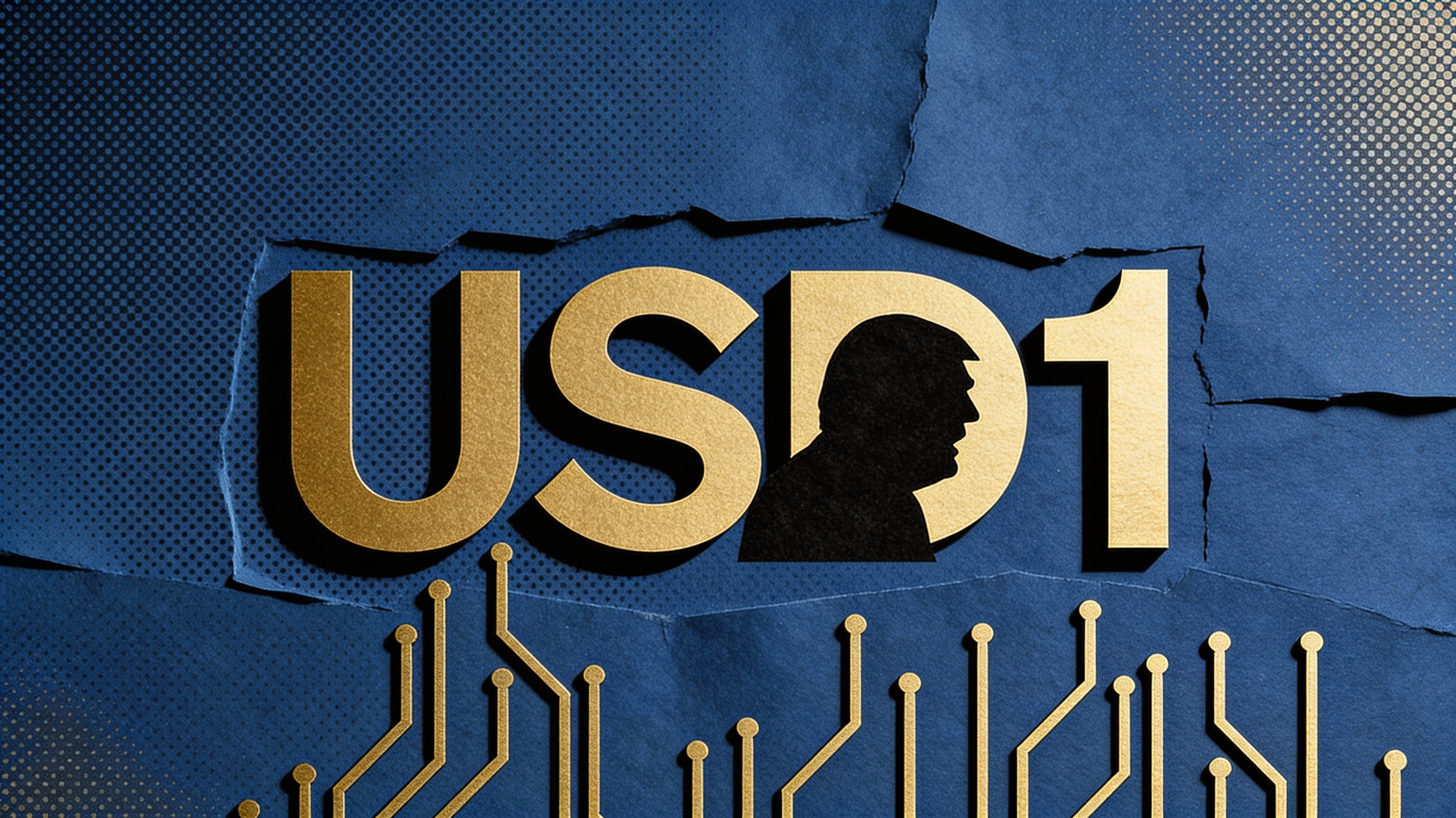
作者:Jae,PANews原文标题:反超PayPal、半年跻身前五,特朗普的稳定币“权力的游戏”不久前,美国总统特朗普次子和WLFI联创Eric Trump发推表示,USD1规模已超过PayPal发行的稳定币PYUSD。仅半年多左右的时间,USD1市值就高达49亿美元,以令人咋舌的增长速度跻身于稳定币赛道的前五名。USD1的快速崛起并非单纯的商业胜利。USD1的发行方不是传统银行或金融科技巨头,而是与现任美国总统特朗普家族息息相关的World Liberty Financial(WLFI)。借助于特朗普政治光环的加持以及政策红利的扶植,一场加密金融“阳谋”正在浮出水面。而在加密行业的发展史上,也从未有过项目如WLFI及其发行的稳定币USD1一般,将家族利益、政治权力与数字金融如此深度地交织在一起。从激进补贴到全场景渗透,借道币安开启流动性闪电战在稳定币赛道的角逐中,流动性就是生命线。USD1市值快速增长并反超PYUSD,并非偶然。一方面,WLFI联合头部交易所币安开启了一场“流动性闪电战”,通过后者主导的“USD1 Booster”计划向USD1注入流动性。这是一套典型的“高收益补贴+全场景渗透”组合拳。通过高收益补贴与全平台账户激励,币安为USD1提供了充足的流动性深度。USD1的冷启动策略采用了DeFi市场经典的“流动性挖矿”模式,但在币安的加持下,其规模与覆盖面得到了几何级数的放大。第一期币安“USD1 Booster”计划的年化收益率高达20%,被市场认为是一种“人工补贴”的获客手段。在宏观利率波动的背景下,这一远超传统金融的收益水平迅速吸引了大量散户入场。不过,这种超高收益并非源自协议本身的可持续盈利,而是由WLFI提供的固定奖池承担,旨在短时间内吸纳海量资金。而在第一期快结束时,币安紧接着推出了第二期“USD1 Booster”计划,但收益率被下调至阶梯式的8%与4%。这一调整也反映了USD1从“扩张”到“留存”的策略转变。针对不同的用户画像,“USD1 Booster”计划设计了阶梯式利率结构,来尽可能扩大USD1的用户覆盖面,实现其留存目标。为了进一步增强USD1的实际效用,币安还推出了价值4,000万美元的WLFI代币激励活动。这一活动的创新之处在于其“全账户覆盖”特性。用户只需在现货账户、资金账户、杠杆账户甚至期货账户中持有USD1,就能瓜分每周1,000万美元的代币空投,将USD1嵌入到了用户的每一个触达环节。同时,币安还引入“奖励乘数”机制,鼓励用户在杠杆交易的场景下使用USD1。不过,据测算,这一活动年化收益率预计将在10%-15%之间,目前的活动时间仅1个月,因此其实际收益率不足2%,投资者需综合考虑兑换磨损和WLFI代币价格波动。在币安的强有力助推下,USD1市值规模增长约20亿美元,环比涨幅超40%。而USD1作为特朗普家族项目的“标杆产品”,也为币安带来了具备强政治背书的优质资产。关系网生意,从巴基斯坦央行合作到美国银行牌照申请相比于 USD1在加密行业的进展,其在主权信用市场的扩张更引人侧目。1月14日,巴基斯坦央行与WLFI关联公司SC Financial Technologies签署谅解备忘录,探索使用USD1进行跨境支付和汇款。巴基斯坦作为全球主要的劳务输出国,每年拥有超过360亿美元的海外汇款流入,且拥有约4,000万加密货币用户。然而,SWIFT系统等传统汇款渠道不仅效率低下,且中间成本高昂。USD1则提供了近乎即时、成本低廉的替代方案。巴基斯坦虚拟资产管理局和央行计划将USD1整合进受监管的数字支付...

206d agoLuxurytracy
Tesla contract launched, Binance “seizes pricing power” from traditional stock markets

Tesla contract launched, Binance “seizes pricing power” from traditional stock markets

Author: Wenser Original title: Binance launches Tesla contract, pointing out that after the NASDAQ and NYSE submitted applications for stock tokenization transactions on the NASDAQ and NYSE, Binance, the largest crypto company, recently sounded the “trumpet of CeFi's counterattack against TradFi.” On January 24, a Binance spokesperson stated that “we are exploring re-listing the stock token”; two days later, Binance officially announced that “it will launch a Tesla (TSLA) stock perpetual contract on January 28, which supports up to 5 times leverage.” It's worth mentioning that this is another bold attempt by Binance after a lapse of 5 years since it stopped supporting stock tokens in July 2021. Time has passed, and various aspects such as the current market supervision environment and infrastructure construction have undergone drastic changes. Binance's move probably means that a “liquidity battle” between CEX and traditional stock exchanges has begun. The Daily Planet Daily will provide a brief analysis of this matter in this article for readers' reference. Tesla has once again become an experimental field for Binance's stock tokenization trading. What the short-lived “stock token experiment” in 2021 left to Binance was not only facing pressure from regulatory compliance forces, but also the power of CeFi to break down TradFi's power in traditional financial markets. Today, 5 years later, Binance's restart of stock token contract trading harbors greater ambition. The reason for this is a huge change in the following 3 areas: First, the “crypto-friendly attitude” of US government regulators. After the Biden administration stepped down, the Trump administration set off a “crypto storm” in the US and around the world, creating a “new crypto regulatory environment” through various means such as personnel appointments, organizational abolition, and the establishment of laws. The culture of the US crypto market was completely clear; second, the development of tokenized stock trading was in full swing. According to the rwa.xyz website, the total market value of the stock tokenization market is now reported at US$1,096 billion, the trading volume has exceeded US$1.86 billion in the past 30 days, the number of monthly active addresses has exceeded 107,700, and the number of holders has exceeded 170,000. Compared to the market capitalization of less than $500 million in December 2024, the milestone of doubling has been achieved in about a year. As NASDAQ and NYSE related applications may be approved by the US SEC this year, the size of the stock tokenization market will also usher in explosive growth; third, improvements in infrastructure construction such as stablecoins, oracles, and on-chain and off-chain settlement systems. After the GENIUS Act (Stablecoin Genius Act) was signed and passed in 2025, oracle projects such as Chainlink and Pyth Network were selected as official partners of the US Department of Commerce and a series of events such as the US banking system and open applications for crypto banking licenses. Compared to 2021, there was no technical lag in stock token development, listing, settlement, leverage, etc. Based on the above conditions, Binance once again opened the door to “stock contract trading” after connecting to ONDO Global Market, a tokenized stock trading platform. However, the deep meaning of Binance's move is probably due to the following 2 aspects: the first is to search for “new users.” According to Binance's official website, the total number of users has climbed to 306 million, which already accounts for half of the total number of crypto users in the world, which is around 600 million. There is no doubt that Binance has already entered a “bottleneck in user growth,” which is one of the main reasons why it has already begun to use traditional Internet promotion methods. Compared to the hundreds of millions or even a billion of global stock investors and investment institutions, the crypto community is just a “niche group.” In order to continue expanding and growing, Binance's exploration of new TradFi products is both a coincidence and a matter of necessity. The second is to find “additional commercial volume.” In 2025, the total trading volume of the Binance platform reached $34 trillion, even surpassing the 2025 annual stablecoin trading volume (the latter volume was $33 trillion), and it really deserved the name “the world's largest centralized exchange.” However, data details show that the Binance platform's spot-related trading volume is about 7.1 trillion US dollars, accounting for only 1/5 of the total trading volume; in other words, most of Binance's trading volume is still on the derivatives side of contracts, options, etc.; this is not only determined by Binance's own CEX business model, but also reflects the huge role of derivatives products in stimulating trading volume and earning platform fees. Meanwhile, the multi-trillion dollar stock market is Binance's coveted “next piece of cake.” There are good times and places, coins...

207d agoburnking#contract #Binance #Tesla #NASDAQ #NYSE

美国加密结构法案稳定币收益禁令争议,或加速资金流向“合成美元”并引发资本外迁

比推消息,据 CoinTelegraph 报道,专家警告称美国加密结构法案(CLARITY Act)拟议的稳定币收益限制措施可能会推动对离岸和合成美元产品的需求,因为投资者会寻求在受监管市场之外获得收益。据了解,在已生效的《天才法案》(GENIUS Act)框架下,USDC 等支付型稳定币需以现金或短期美债全额支持,且不得直接付息,被视为“数字现金”。Mega Matrix 市场负责人 Colin Butler 表示,禁止合规稳定币向持有人提供收益并不能保护美国金融体系,反而会边缘化受监管机构,加速资本迁移至监管边界之外。目前数字人民币已具备计息功能,新加坡、瑞士、阿联酋正推进可计息数字资产框架,若美国禁止合规美元稳定币收益可能削弱全球竞争力。

210d ago