战略储备 · 668
Traffic in Hormuz has plummeted, yet the price of oil has not reached the $100 mark

Traffic in Hormuz has plummeted, yet the price of oil has not reached the $100 mark

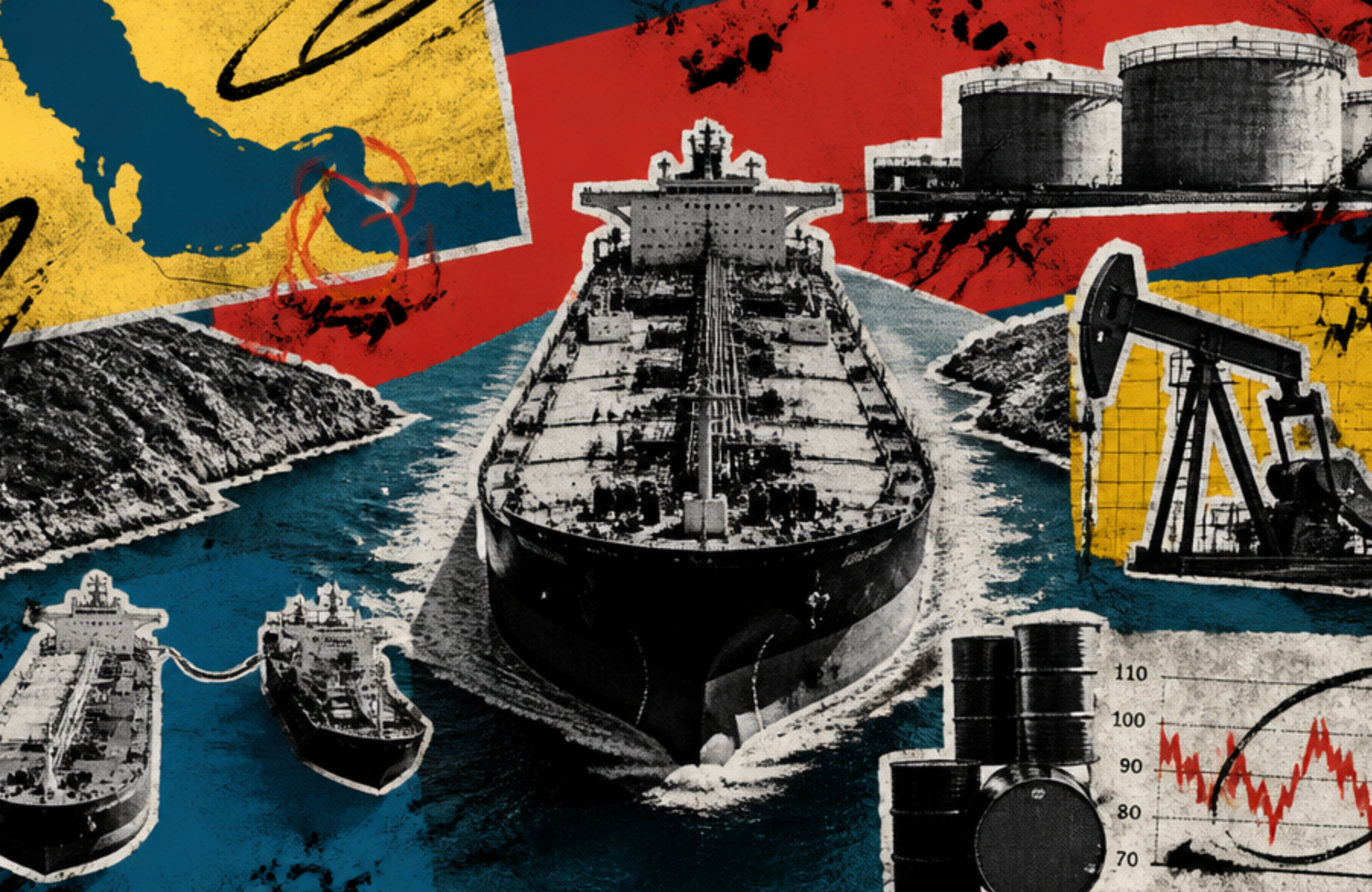
Author: Huohuo Original title: Hormuz traffic has plummeted once again. Why haven't oil prices stabilized above $100? TL; DR · Some daily traffic levels in Hormuz fell to a very low level, but Brent did not continue to stand at $100. · The market is temporarily betting that inventory, transit, alternative exports, and buyer detours can absorb some of the impact. · Related subjects: BRENT/WTI crude oil, energy ETFs, oil tankers, independent Chinese refineries, diesel chains, gold. Since August, shipping tracking and media reports have shown that daily traffic volume in parts of the Strait of Hormuz has dropped to a very low level, and there are even statistics that almost no tankers pass through. But Brent crude did not stand at $100 continuously. After a brief surge in late July, it has recently been back around $90 for more time. This is where the current energy market needs the most explanation. Around 2024, about 20 million barrels/day of oil products passed through Hormuz, accounting for about 27% of global shipping oil, and LNG (liquefied natural gas) also accounts for about one-fifth of global trade. According to the traditional pricing framework, this area has been threatened for a long time, and oil prices should quickly be included in the supply cutoff premium. The answer given by Hormuz, which affects the oil and gas trade market, is now more restrained. The risk has not disappeared, but investors are temporarily convinced that inventory releases, trans-shipment outside the bay, and alternative export and shipping arrangements can share the impact. The oil price transaction is not “strait safety,” but “strait traffic becomes more expensive.” The US-Iran impasse provides the political context for this round of reevaluation. According to reports, the two sides are in dispute over the implementation conditions of the June Interim Memorandum. The US maintains blockade and sanctions pressure, while Iran requires that normal traffic be resumed only after the conditions are implemented. When the dispute hits the market, it's actually a matter of cost allocation: who bears the higher risk of insurance, financing, voyage, and sanctions. The worst case scenario for oil prices has yet to be traded. Currently, the market is not pricing Hormuz as a long-term complete supply cut. If investors believe that 20 million barrels/day of marine oil will disappear for a long time, it is difficult for Brent to repeat it around $90. The price did not continue to stand at $100, which means traders are more likely to understand it as blocked access, rising costs, and delayed delivery rather than a broken supply chain. There is still statistical noise here after Brent rushing higher and falling back. The sharp drop in some daily traffic volume may be due to ships shutting down AIS positioning, short-term waiting for shipowners, differences in data source screening, and may also indicate that commercial shipowners are unwilling to enter high-risk waters. The former is closer to data distortion, and only then will the latter cause a continuous supply shock. Therefore, oil prices have not stabilized above $100. It's not that Hormuz is unimportant, but that the market is still waiting for tougher verification. Whether Iran can continue to expand its attacks, whether the US escalates the blockade to more direct action, and whether Asian buyers can bypass shipping and sanctions restrictions will all change this pricing. The buffer mechanism split the shock into multiple segments where oil prices did not immediately get out of control. One of the core reasons was that the shock did not hit the terminal supply all at once, but was broken down into inventory, shipping, trade, and finance. The most immediate buffer comes from inventory and alternative supply expectations. Strategic oil reserves, coordinated international releases, idle OPEC+ production capacity, and Saudi Arabia and the UAE's export capacity outside the strait may weaken the impact of single channel disruptions on spot prices. They can't be used indefinitely, but they are enough to keep the market from pricing in disaster scenarios for a while. The detour capacity only covers part of the second layer of buffering from ship-to-ship transfers. Some cargo can be moved around Fujairah or the Gulf of Oman and then re-routed. This increases insurance, waiting times, and operating costs, but allows the logistics of goods to remain flexible. The third layer of buffering comes from the choice of buyers and shipowners. Some Asian buyers and shipowners may switch to off-bay loading, transshipment, or delayed port of call arrangements, and LNG transportation may also take similar safe-haven actions. As a result, a decrease in traffic volume in Hormuz does not necessarily equal a simultaneous decline in the amount of oil and gas available globally. That's the heart of current pricing. The physical risk remains, but it is being shared by financial inventories, shipping engineering, and trade arrangements. Oil prices haven't exploded because the system is still running. The reason why oil prices are not falling is because the system is more expensive to operate. Impacts are absorbed in segments, and long-term costs are buffered into the supply chain in the short term, and the more effective it is to invest in long-term restructuring. Saudi Arabia and the UAE are promoting off-strait reserves, Fujairah transit, and alternative export capacity, and discussions on pipeline and port investment in the region that bypass Hormuz are heating up, all pointing in the same direction: the energy chain is reducing its dependence on single-point traffic. This type of restructuring will not immediately change the global supply and demand schedule. The new pipeline requires financing, construction, and safety conditions, and the expansion of strategic reserves will take time...
2d ago律动BlockBeats#ETF #gold
Trump is sitting on the same stage, and the two supervisors are on the same stage. What tone will this crypto summit set?

Trump is sitting on the same stage, and the two supervisors are on the same stage. What tone will this crypto summit set?

Author: Claude, Shenzhen TechFlow Original title: Crypto Summit Preview: Trump personally sits in town, what new regulations will the SEC and CFTC heads agree on on the same stage? In-depth explanation: On August 19, the White House will convene a meeting with crypto giants such as Coinbase, Ripple, and a16z, as well as traditional finance executives such as Nasdaq and CME. Trump himself, SEC Chairman Atkins, and CFTC Chairman Selig are expected to attend. The summit comes on the eve of the Senate's 60-vote procedural vote on the CLARITY Act on September 15. Industry commentator Nate Geraci determined that the White House no longer plans to wait for Congress. On August 14, Semafor reporter Eleanor Mueller released news on X: The White House is preparing for a crypto industry summit, scheduled for August 19 (Wednesday). The source is “someone who knows the plan.” Politico followed up on the same day, citing three anonymous people familiar with the matter to confirm. ETF industry commentator Nate Geraci then published a more complete list of invitees on X: Trump himself, SEC Chairman Atkins, CFTC Chairman Selig, and crypto industry executives such as Coinbase, Polymarket, Ripple, and Gemini. Traditional financial giants were also invited. Geraci is the president of The ETF Store and has been commenting on ETFs and crypto assets in mainstream financial media for a long time. At the end of his tweet, he said, “The government is not going to wait for the CLARITY Act. Asking for support is fine, but I think they've decided to move forward no matter what. I expect this conference will send this signal strongly.” Who has been invited to the White House crypto and prediction market: Coinbase, Ripple, a16z (Andreessen Horowitz), Chainlink, Paradigm, Kalshi. Representatives from the industry organization Digital Chamber were also invited. Blockonomi's coverage also added Gemini, Robinhood, and Polymarket. Traditional financial side: Nasdaq, CME Group, Intercontinental Exchange (ICE), DTCC. Executives from these companies also serve on the CFTC's newly formed Innovation Advisory Committee (IAC). Administration side: Trump himself is expected to attend, and SEC Chairman Paul Atkins and CFTC Chairman Michael Selig confirmed their participation. Treasury Secretary Scott Bessent and Commerce Secretary Howard Lutnick may attend, but no final confirmation has been made. The conference venue is the Eisenhower Executive Office building, close to the main White House building. The White House and neither of the two regulators have released an official agenda. Compared to the March 2025 summit, Kalshi and Polymarket are on the list, and MicroStrategy's Michael Saylor is missing. The main characters changed a group. The CLARITY Act and Trump's crypto wallet CLARITY Act (H.R. 3633) will solve a problem that has dragged on for more than a decade: delineating the regulatory boundaries between the SEC and CFTC on digital assets. Which tokens are securities managed by the SEC, and which are commodities managed by the CFTC. Blurred borders have caused US crypto exchanges to frequently remove tokens, unable to launch products in the US, and the company moved its headquarters overseas. In July 2025, the House of Representatives passed 294 to 134, and 78 Democrats voted in favor. In May 2026, the Senate Banking Committee advanced 15-9. When it came to the full house voting session, it got stuck. Senate Majority Leader John Thune filed a cloture motion before the August 8 recess. On September 15, at 2:15 p.m., the procedural vote began, with a 60 vote threshold. The Republican Party holds 53 seats and is still 7 votes short of all in favor. The market structure provisions have basically been finalized; what is really stuck is a few political issues. Trump's crypto assets are the sharpest. Senator Th...

5d ago深潮TechFlow#CFTC #Coinbase #SEC #Trump

Taiwanese National Assembly Member: The probability that Taiwan will establish a Bitcoin strategic reserve is 100%

In comparison, according to The Bitcoin Historian (@pete_rizzo_), a Taiwanese congressman said there is a “100% chance” that Taiwan will establish a Bitcoin strategic reserve. The lawmaker emphasized that Bitcoin is different from gold and has the characteristics of digital transfer and verification, and pointed out that “the world has changed,” and that countries are competing to lay out Bitcoin due to national security considerations to get ahead of the US. This article is sponsored by GENG, Build Your Fortune on GENG (https://geng.one)

10d agoburnking

Oil prices are approaching the psychological threshold of $100, and Trump faces the dilemma of progressing and withdrawing from the Iran conflict

Comparative news is that as international oil prices once again approach the critical psychological threshold of 100 US dollars/barrel, the policy tools that US President Trump can adopt during the escalation phase of the Iran conflict are being reduced, and the energy market is facing greater uncertainty. Analysts said that global emergency reserves of oil and fuel have declined sharply, and the risk of shipping in the Red Sea continues to heat up. Should the conflict expand further, the US may face two options: expand military action or accept Iran's actual control of the Strait of Hormuz. Oil prices previously topped 100 US dollars/barrel due to the Houthis attack on Red Sea shipping in Yemen, then fell back. Energy analysts warn that if the Strait of Mande and the Strait of Hormuz are affected at the same time, oil prices may rise again to around $124 per barrel in August. Currently, the US has limited policy tools: US strategic oil reserves (SPR) have dropped to about 311 million barrels, the lowest level since 1983; US shale oil production and refining capacity are close to high levels; space to release more strategic reserves is limited; and measures such as suspending fuel taxes require congressional approval. Analysts pointed out that 100 US dollars/barrel not only represents price changes, but also has a psychological impact on the market, which will reinforce investors' concerns about the energy crisis and the risk of inflation. Meanwhile, Iran believes that it has bargaining chips on the Strait of Hormuz issue and demands greater control. According to some analysts, the core choice Trump is currently facing is to continue to escalate military operations or seek solutions through negotiations. Market sources said that as the US midterm elections approach, high oil prices may further increase the Trump administration's political pressure, and the final solution still depends on whether the US and Iran can reach a new agreement.

28d ago
With a per capita income of 100 million US dollars and Wall Street entry, is Hyperliquid a value investment?

With a per capita income of 100 million US dollars and Wall Street entry, is Hyperliquid a value investment?

Source: Day1Global Born Global Author: starzq Original title: [Podcast Highlights] E79. Hyperliquid: Per capita income of 100 million US dollars, Wall Street entry, how is it valued? ft. Bitstone Paul is an individual, has no venture capital, earns close to $1 billion a year, and the vast majority of revenue can be converted into cash flow — an extremely rare sample, even in the entire business world. This company is Hyperliquid. It started with on-chain perpetual contract trading, grew rapidly amid market vacancies after FTX fell, and is now expanding into a wider range of financial scenarios such as stocks, commodities, forecasting markets, and stablecoin earnings. The reason it attracted Wall Street was not only the rise in token prices, but a more fundamental question: Is Internet native finance the first time a business that can be analyzed using cash flow, moats, and long-term value? But “the business makes money” and “the token is worth buying” are not the same thing. Will the trading volume continue? Could HIP-3 be the second growth curve? When the platform ends subsidies and increases commissions, will users return to traditional markets such as CME? Can the revenue generated by the agreement actually be transferred to HYPE within the framework permitted by regulations? For this issue, Day1Global invited BitStone founder Paul. Paul's experience spans Jefferies, Goldman Sachs, Alibaba, and Ripple, and has also worked as a seller, primary market, industrial investment, and secondary market. Using a partial Buffett framework, he deconstructs Hyperliquid's business model, historical window, cash flow, and valuation, and answers an increasingly important question: How should value investing be done in the new financial market? 1. From Wall Street to New Finance: How Paul Formed His Investment Framework Star: Your experience spans traditional finance, technology companies, and new financial investments. What abilities do they each shape in you? Paul: My investment training began as an undergraduate. While studying at the University of Virginia, I was involved in managing a student hedge fund and had the opportunity to learn up close with John Griffin, founder of Blue Ridge Capital. That experience gave me an early exposure to fundamental research and how investors should make their own judgments. After graduation, I joined Jefferies, mainly in the investment business related to financial institutions, so I understood the business models of banks, exchanges, and other financial institutions in a more systematic way. I later studied for an MBA at Stanford and completed my MPA at Harvard Kennedy School. Politics and the economy are inherently inextricably linked, particularly in the new financial industry. Policy changes will directly change a market's participants, capital structure, and valuation methods. After that, I joined the Goldman Sachs TMT team, focusing on how to analyze the business models and valuations of technology companies using quantitative and systematic methods. Then I went to Alibaba to invest in the primary market, and I began to observe two types of companies at the same time: one is those with vested interests that already occupy the market, and the other are challengers trying to restructure the industry. The primary and secondary markets should be viewed together. Some industry leaders will continue to consolidate their advantages, making it difficult for challengers to cut their cake; others are undergoing structural changes, and the real value may still be in the primary market. Investors must understand where the industry is going, and not just look at one side because they are level 1 or 2. In 2021, I joined Ripple to participate in ecological cooperation and RWA related businesses; later, I founded BitStone, hoping to find opportunities with more emphasis on risk control, cash flow, and fundamentals as institutional capital enters new financial markets. 2. Before buying an asset, ask if you want to buy the entire project Star: Your Market Letter has a strong value investment color. What ideas have had the greatest impact on you? Paul: There are many ways to make money, and value investing isn't the only answer. The key is to determine who you are first. Based on my personality, cognitive style, and past training, long-term mentality and value investing are more suited to me. The phrase I believe in the most is: the short-term market is a voting machine, and the long-term market is a weighing machine. Short-term prices are affected by sentiment, liquidity, and narratives, but in the long run, prices will eventually reflect the weight of the business itself. So whether I buy stocks or tokens, I always ask first:...

36d ago章鱼烧#HYPERLIQUID #Token valuation #Investment framework

CEO of Eni Group: If the Middle East conflict continues, the oil market may break through the current range in early 2027

Comparative news, according to Kim 10, Claudio Descalzi, CEO of Italian national holding group ENI, said that if the Middle East conflict continues, the global oil market will break through the current range of about 80 to 100 US dollars per barrel by the first quarter of 2027 at the latest, driving up inflation and reducing energy demand. In an interview published by “24 Hour Sun” on Saturday, Descalzi said that the release of strategic reserves has helped keep crude oil prices roughly within this range so far, but this strategy is facing growing risks because global reserves are limited. “The long-term solution is to enhance energy security through diversification of supply sources and routes,” he said. Descalzi said that due to disruptions related to the Iran war that broke out at the end of February, global oil stocks dropped by an average of 3.8 million barrels per day and accelerated to 4.6 million barrels per day in May. He said countries should focus on producers in northern Africa and sub-Saharan Africa, Latin America and Southeast Asia, while reducing reliance on controlled maritime routes.

42d ago

For the first time, Ukraine handed over the seizure of crypto assets to national management, involving more than 8.3 million USDT

According to CoinDesk, Ukraine's Attorney General's Office announced that it has handed over USDT worth more than 8.3 million US dollars to a crypto wallet controlled by the country's asset recovery agency ARMA (National Asset Search, Tracking and Administration). This is the first time in Ukraine's history that it has successfully incorporated the seizure of crypto assets into national management. The transfer was based on a court order and stemmed from the investigation of an international hacker organization by the National Bureau of Investigation. The funds involved came from the wallet of a member of the organization; the organization was accused of carrying out attacks on European and American individuals and businesses to steal data and extortion, and launder money in Ukraine through high-value assets such as real estate and automobiles. Currently, the four suspects have been detained but have not yet been judged, and the estimated loss is over 100 million US dollars. The report pointed out that the funds are currently only in escrow and have not been formally confiscated; confiscation presupposes a judgment. At the time of the incident, Ukraine was considering setting up a cryptocurrency strategic reserve. The approach was similar to America's previous approach. Reserve funds come from confiscated crypto assets in criminal and civil cases rather than open market purchases.

54d ago
Crypto projects' flee 'their old names in bulk: the liquidity reset game behind brand upgrades

Crypto projects' flee 'their old names in bulk: the liquidity reset game behind brand upgrades

Author: Gu Yu, ChainCatcher Original title: Why do crypto projects always like to change their names? In the traditional business world, brand assets are the lifeblood of an enterprise. Frequent name changes are almost tantamount to actively destroying a moat. Nvidia won't change its name every few years, Apple won't give up on Apple because of some kind of business transformation, and Nike won't bring back the brand because of a sluggish market cycle. But in the cryptocurrency world, the rules are often the opposite. According to RootData statistics, more than 16% of encryption projects have changed their names, and many well-known first-line projects have also changed their names in large numbers. Just yesterday, the on-chain IP ecosystem Story Protocol announced that it will change its name to DATA, and IP tokens will migrate 1:1 to new DATA tokens. Within a few months, Xion changed its name to Verona, Matrixport changed its name to BIT, and TON's token symbol to GRAM. Earlier, a number of well-known projects such as Klaytn, EOS, Fantom, MakerDAO, Elrond, and Matic Network changed their names. More extreme projects have even changed their names more than once. For example, MAITRIX used names such as CENTRAL, X Network, and XLD Finance; BitSafe used the names dlcBTC and DLC.Link; Talex used the names Read2N and Metale Protocol; and KGen used the names IndigG and Kratos Gaming Network. The names have changed more and more, but most projects have not gained new life due to the new name; instead, they have gradually fallen silent. This brings up a question that is rarely seriously discussed in the crypto industry: Why do crypto projects always like to change their names? The answer is probably not complicated: because in the crypto industry, brands aren't the most important assets; attention, narrative, token prices, and liquidity are. 1. Crypto brand loyalty is too low. The reason traditional brands are afraid to change their names is because user loyalty comes from long-term consumer experiences. A user has bought an iPhone for many years, drank Starbucks for many years, and worn Nike for many years. His perception of the brand was not formed in a day, nor did it change easily due to a certain marketing campaign. But cryptographic projects have a completely different user structure. Most early users aren't consumers in the traditional sense, but investors, airdrop hunters, liquidity providers, node participants, and narrative traders. They use products not necessarily because they are easy to use, but because they may have air investment, may be profitable, and may have room for growth. This means that crypto brands are naturally less loyal to users. In the traditional industry, users ask “Is this brand worth trusting”; in the crypto industry, users are more often asked “can this coin rise?” As long as prices are sluggish for a long time, the narrative fails, and the ecology is silent, the old name will instead become a negative asset. A name that has experienced a crash, duvet cover, hacking, team controversy, or route failure can hardly inspire the market's imagination. It doesn't carry brand assets, but K-line scars and community grievances. This is the root reason why crypto projects dare to change their names frequently: in many cases, old names have no moats, only historical baggage. 2. Renaming is a marketing strategy. Not every name change should simply be viewed as a “vest change.” The name change of some projects is indeed because the original name cannot carry the new strategic scope. As hot market concepts change, if the name includes old concepts such as “Social” and “DAO,” or if the meaning of the name does not match, changing the name is an inevitable choice. For example, the decentralized social networking protocol OpenSocial changed its name to Eden after transforming AI, the decentralized electronic signature platform EthSign chose to remove “Eth” from its name after expanding its business, and the Ethereum sidechain Matic Network changed its name to Polygon (meaning polygon) after building multiple scaling solutions. When the project's business boundaries fundamentally change, the original brand may limit external perception. The name change is a necessary strategic calibration at this point. Of course, there are also quite a few projects that actively “grab hot spots”, and you can get more attention by naming popular concepts. In the last metaverse boom, Elrond changed its name to MultiversX and directly added “Multiverse” elements to the name, apparently hoping to join Yuanyu...

57d agoburnking#encryption #Exchange coins