自由贸易 · 150

Guangdong plans to expand digital yuan application scenarios and promote the expansion of cross-border payment pilots

Comparative news, according to a report by Jin Shi, Guangdong Province publicly solicited the “15th Five-Year Plan for the Development of the China (Guangdong) Pilot Free Trade Zone (Draft for Comments)”, which plans to expand financial openness in an orderly manner and promote pilot expansion such as cross-border digital yuan payments. The plan mentions supporting international financial institutions to set up headquarters, promoting innovative businesses such as cross-border finance and green finance, and deepening pilot projects such as cross-border credit asset transfers.

16d ago

After regulatory arbitrage is over, how can leading exchanges compete for the “gold content” of license licenses?

After regulatory arbitrage is over, how can leading exchanges compete for the “gold content” of license licenses?

Author: Chloe, ChainCatcher Original title: The era of regulatory arbitrage has come to an end. Over the past ten years, crypto exchange licenses have competed for money. The expansion logic of cryptocurrency exchanges has been “buy users first, then talk about compliance”. However, this logic was completely reversed in 2026, and now, what can really close the gap is the compliance dividend brought by the license. When the era of regulatory arbitrage comes to an end, how can Binance, OKX, Bitget, Bybit, and Gate use very different strategies to compete for entry into the next round of patterns? 2026 A new battleground between exchanges: Compliance dividends According to the annual derivatives market report released by CoinGlass in 2025, the total trading volume of derivatives on centralized exchanges reached US$85.7 trillion throughout the year, averaging about US$264.5 billion per day, and the market share is highly concentrated. The share of open positions on the top five exchanges exceeds 80%. With such a market size, if any leading exchange wants to continue to grow, it is no longer possible to differentiate by simply “lower fees” or “more currencies” because the marginal utility of these advantages is shrinking. The market position and current ranking of the five exchanges. Before entering the license inventory, use data to see the relative positions of these five exchanges in 2026. According to the TokenInsight 2025 report, the annual spot market share distribution is as follows: Binance 42.09%, Bybit 8.63%, MEXC 8.49%, Gate 8.16%, Bitget 6.86%, OKX 6.83%, Coinbase 6.58%, and KuCoin 4.31% derivatives market patterns are slightly different. Data shows that in 2025, Binance ranked first with an average market share of 34.74%, OKX ranked second with 15.06%, Bybit ranked third with 12.95%, Bitget ranked fourth with 11.27%, and MEXC and Gate were 10.58% and 8.25%, respectively. These two sets of data show that apart from Binance's absolute advantage in the spot and derivatives markets, the shares of the other four companies are actually tied together. As the size of the market expands and share distribution stabilizes, anyone who can get a license for a key market will have a chance to jump one step higher in the next round of reshuffle. Notably, these five leading exchanges also maintain leading positions in terms of compliance transparency. According to the crypto asset data platform RootData, Binance, OKX, Bybit, Gate, and Bitget continued to rank in the top five in the 8th “Cryptocurrency Exchange Transparency List (Stock Category)” published by the Web3 asset data platform RootData, which is highly consistent with the pattern of spot and derivatives market share. The list continues to focus on the growing trend of stock assets on crypto exchanges. Binance: The absolute leader in compliance turned to Binance is the only player on this list who doesn't need to worry about market share, but it is the one that is under the most regulatory pressure. Between 2023 and 2024, Binance faced a series of major regulatory fines and settlements in the US and many countries, which fundamentally changed the company's strategy. According to Nikkei Asia, Binance Asia Pacific Head SB Seker said in March 2026 that Binance plans to obtain five new licenses in Asia within 2026, boosting the number of licensed jurisdictions worldwide to more than 20. As of the beginning of 2026, Binance already holds regulatory approvals from Australia, India, Indonesia, Japan, New Zealand, and Thailand in Asia. Through the acquisition of a controlling interest in South Korea's Gopax, the Korean license will soon enter the market. Binance's global scale itself is creating a compliance narrative. According to Binance's 2025 report, Binance Global has more than 300 million registered users, and spot trading volume for the full year of 2025 exceeds $7.1 trillion. At this level, Binance was banned in any single country, affecting not only local users, but also the entire OTC market and stablecoin liquidity. Among them, Binance's licensing strategy is not the same as other exchanges. In many markets, it obtains a license by acquiring a local licensed entity (such as Gopax) rather than applying from scratch. This approach can shorten the time period, but it also means that Binance must take on the historical burden of the acquired party. Binance's 2025 compliance narrative data will be directly updated in its compliance update report, direct and indirect funding related to sanctions...

86d agoburnking#license plate #custodial

Cuban Foreign Minister rejects US Secretary of State's statement that “Cuba is not subject to an oil blockade”

Comparative news. According to the Eastern News Agency, Cuban Foreign Minister Rodriguez said on the 5th that US Secretary of State Rubio's statement that “Cuba has not been subject to an oil blockade” is a “lie.” According to information published on the US State Department's official website, in the afternoon of the same day, while presiding over a press conference at the White House, Rubio claimed that Cuba was not subject to an oil blockade. Rodriguez said on social media that the reality cannot be hidden: On January 29, US President Trump signed an executive order threatening to impose ad valorem tariffs on goods exported to the US from countries supplying oil to Cuba. For some time, only one ship carrying fuel arrived in Cuba. All Cuban suppliers have been intimidated and threatened, in violation of the rules of free trade and the principle of freedom of navigation. A new executive order was issued on May 1 to expand the scope of sanctions against Cuba.

108d ago
Is the US Federal Reserve Chairman who knows Crypto the most coming? He's still the richest one

Is the US Federal Reserve Chairman who knows Crypto the most coming? He's still the richest one

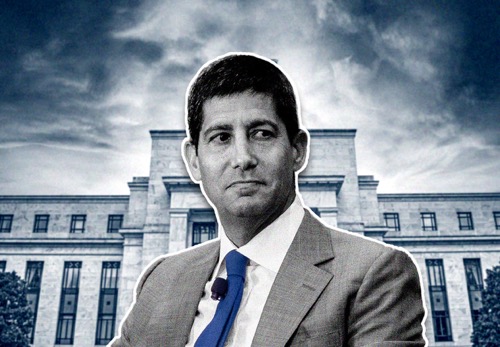
A person who owns Solana, Optimism, PolyMarket, and SpaceX may soon be in charge of the Federal Reserve. You read that right. This is the latest financial disclosure document submitted by Kevin Walsh — Trump's newly appointed US Federal Reserve Chairman. According to the 69-page document, Walsh's personal assets are between 131 million and 209 million US dollars. And his wife Jane Lauder, heir to the Estée Lauder Group, has a net worth of 1.9 billion US dollars. If he passes the hearing next week, he will become the richest chairman in the history of the Federal Reserve. Currently, current Chairman Powell is the record holder — but his personal assets are “only” $19 million to $75 million. At the same time, Walsh is probably the one who knows the most about cryptocurrencies and AI. Personal Positions: Amazing returns from investment and consulting. First, let's take a look at what Walsh bought. His largest holdings are concentrated in the Juggernaut Fund LP — an investment vehicle closely linked to the office of legendary Wall Street investor Stanley Druckenmiller's family. Walsh's share of each of these investments exceeded $50 million, and also earned $10.2 million in consulting fees from Drucken Miller's investment office. In the cryptocurrency sector, Walsh's layout is quite broad. Among the assets he holds through his family office THSDFS LLC, his disclosed holdings include: blockchain network Solana, Ethereum second-layer network Blast and Optimism, which focuses on yield, Ethereum DeFi lending protocol dYdX, NFT company Dapper Labs, and cryptocurrency venture capital firm Polychain. Other crypto investments include Bitcoin trading platform Flashnet, Ethereum developer platform Tendly, and on-chain social media startup Deso. Additionally, he has invested in prediction market giant Polymarket and holds shares in SpaceX. The AI field also appears on his asset list: the robot coffee platform Cafe X, bionic enhanced wearable clothing company Cionic, and several AI startups with undisclosed values. Walsh promised in the document that if his nomination is confirmed, he will sell the relevant assets in Juggernaut Fund and THSDFS LLC and resign as a director of United Parcel Service (UPS) and Korean retail giant Coupang. Compared to current Chairman Powell, Walsh's personal wealth far exceeds his career. When Bernanke stepped down as chairman of the Federal Reserve in 2014, his filing documents showed assets of up to US$2.3 million, mainly from pension funds. Walsh's situation is even more special — his wife Jane Lauder (Jane Lauder) is the heir of the Estée Lauder Group, and according to Forbes estimates, Jane Lauder's personal net worth is around $1.9 billion. From the middle class of New York to the “horse” of Estée Lauder, Walsh was born on April 13, 1970 to a middle class Jewish family in Albany (Albany), the capital of New York State. He is the youngest of three children in the family. Her father, Robert Walsh, ran several businesses, and her mother, Judith Philipson Walsh, was a journalist and freelance writer. Walsh attended Shaker High School, a local public high school. His specialty was tennis. During his time at school, he also participated in the New York State Tennis Championships. “Purwa,” who came out of a public high school, eventually became the son-in-law of the Estée Lauder family - in the TV series, this is the first half episode of Attack Against the Giants. Walsh graduated with honors from Stanford University majoring in public policy, majoring in economics and statistics. While in school, he worked as a research assistant to the famous economist Milton Friedman — an experience that had a profound impact on the formation of his future ideas of monetarism. He then attended Harvard Law School and received his J.D. in 1995. After graduating from Harvard, 25-year-old Walsh joined Morgan Stanley's M&A department. Within 7 years, he was promoted from Analyst to Executive Director and was involved in a number of major mergers and acquisitions. In 2002, he left Wall Street and joined the George W. Bush administration as Special Assistant to the President for Economic Policy and Executive Secretary of the White House National Economic Council. Also in this year, another important “merger and acquisition” occurred in his life, and Walsh married Estée Lauder's heir Jane Lauder. Jane Lauder is the granddaughter of Ronald Lauder, the granddaughter of the founder of the Estée Lauder Group, and was the senior vice president of the family business. According to reports, the relationship between the two began with a blind date in the late 1990s (Blind Dat...

129d agoWendy#AI #SpaceX #Kevin Walsh #cryptocurrency #original #depths #Trump #Federal Reserve #Federal Reserve topics #viewpoints #Interest rate cut #starters #Powell

Trump wants to end the war with Iran while the Strait of Hormuz is closed

Comparing news, according to the Wall Street Journal, US government officials revealed that US President Trump has indicated to his staff that even if the Strait of Hormuz is still basically closed, he is willing to end the US military operation against Iran. The move could prolong Tehran's firm control over the waterway and leave the complex operation of reopening the strait to a later date. Recently, Trump and his advisors assessed that the task of opening up this gateway would extend the conflict beyond the four-to-six-week schedule he set. Trump has decided that the US should achieve the main goal of weakening Iran's naval and missile stocks, gradually end the current war, and at the same time put pressure on Iran through diplomatic channels to resume free trade. Officials said that if this move fails, Washington will pressure its allies in Europe and the Gulf region to take the lead in reopening the straits. They say Trump could also choose a military option, but this is not his current priority.

144d ago
The oil shock has not arrived, and the stock market bubble is already hanging high

The oil shock has not arrived, and the stock market bubble is already hanging high

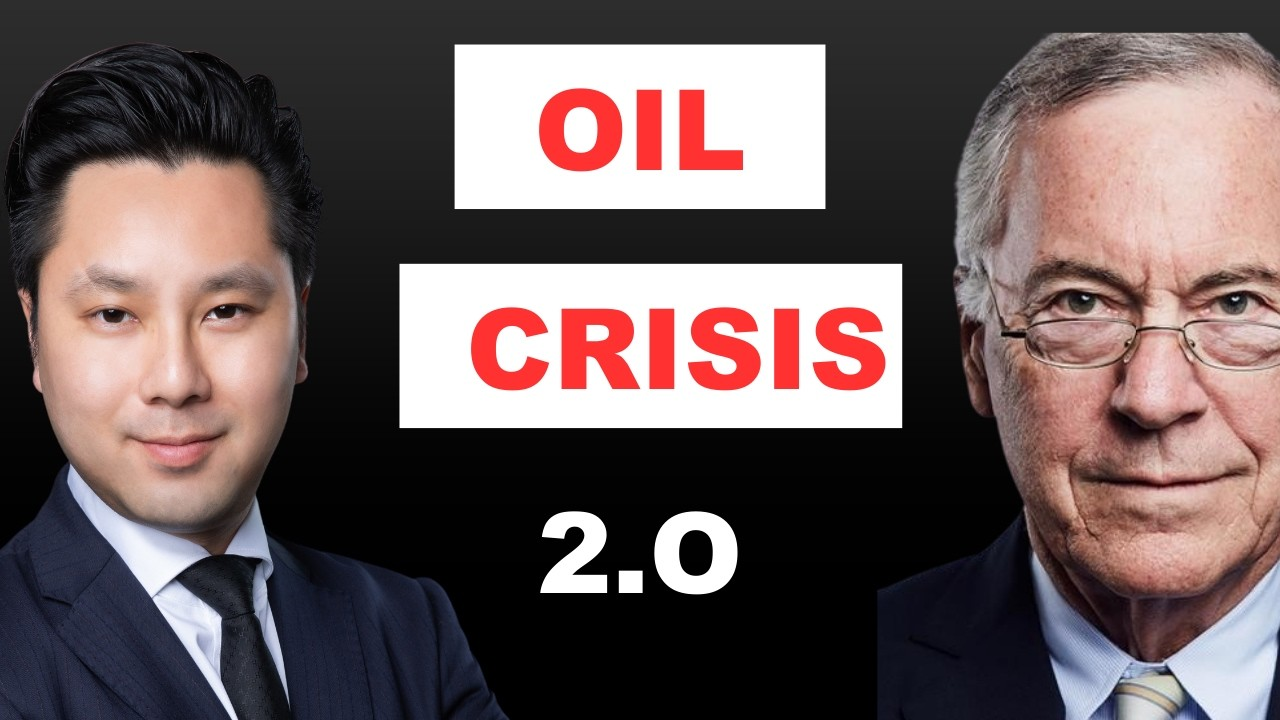
Podcast: Compiled & Edited by David Lin: Yuliya, PanNews Original Title: Economist Warns: Compared to the oil crisis of 50 years ago, the stock market bubble is more vulnerable, the Strait of Hormuz was destroyed, oil prices exploded, the world was shaking, etc. Is the “1979 crisis” repeated? Don't be fooled by appearances! Johns Hopkins University professor Steve Hanke threw cold water on his latest podcast: the real crisis is not oil prices, but the Federal Reserve's uncontrolled money printing machine and the crumbling overvaluation bubble in US stocks. In addition, this issue also discussed the risk of the current stock market bubble and the impact of war, as well as the geopolitical and global impact of the Iran war. PanNews has compiled the text of this conversation. A repeat of the 1979 oil crisis? The actual risk is lower David: Are we on the verge of repeating the 1979 “oil crisis 2.0”? Looking back in 1979, the crisis began when the Iranian Revolution interrupted oil production in one of the world's largest exporters. The sudden drop in supply tightened the global market, causing oil prices to soar. In the US, the immediate impact was the shortage of gasoline, with long queues at gas stations all over the country, and fuel rationing in some states. The rise in energy prices boosted the price of the entire economy, and the Federal Reserve then raised interest rates sharply to control inflation. That crisis also accelerated the pace at which the US is building a strategic oil reserve (SPR). Today, the market is reacting once again to geopolitical risks. The Strait of Hormuz, located between Iran and Oman, is the world's most important oil channel, and about 20 million barrels of oil (about one-fifth of global consumption) flow through it every day. As the strait was closed due to the conflict involving Iran, oil prices soared sharply. Steve, welcome back to the show. How far are we from repeating the second oil crisis that has not been seen in nearly 50 years? What's going to happen next? Steve Hanke: Nice to talk to you, David. To give some context, let's review history a little bit. My first teaching position was at the Colorado School of Mines, one of the world's top mining schools. In the late '60s, in 1968 to be exact, I taught my first petroleum economics course there. In the same year, I edited a book called “The Political Economy of Energy and National Security” (The Political Economy of Energy and National Security), which discussed exactly what we are talking about now. Later, at the end of 1985, I established a basic model for OPEC (OPEC), predicting that it would collapse and oil prices would fall below $10 per barrel. This did happen in 1986, and oil prices fell as scheduled. I was working for the Friedberg Mercantile Group in Toronto at the time, and based on my analysis, we had a very large short position, which eventually took over 70% of the short share of light diesel contracts in the London market. If we compare the current situation to 1978-1979, I think the potential risk of damage today is actually lower than it was then. There are several reasons: in 1978, Iran accounted for 8.5% of the world's oil production; now they only account for 5.2%. Production in the Middle East accounted for 34.3% of the world in 1978, but now it has declined to 31%. The US accounted for 15.6% of global production in 1978; now we have risen to 18.9%. Our dependence on foreign production has decreased. Most importantly, our “oil intensity” (that is, the amount of oil consumed per unit of GDP) has dropped dramatically from 1.5% to 0.4%. Oil Markets: Supply Shocks and Policy Responses David: Treasury Secretary Bessent said two days ago that the government will issue a series of announcements. Currently, oil prices have soared to 86 US dollars. If the situation is not resolved soon, oil prices will be even higher. The government clearly doesn't want gas station prices to rise. In addition to implementing price controls, what else can the government do to stabilize gasoline prices for Americans? Steve Hanke: If price controls are implemented, gas stations will have long queues because demand will exceed supply. If there is no intervention, the market will automatically clear out, but the price will be higher. The quickest way to address the current shortage is to lift sanctions against Russia and allow the huge “shadow fleet” anchored at sea to offload and sell its stored Russian crude oil. In fact, the US has begun to pivot, allowing some Russian oil to flow to India. David: How will America's allies respond to easing sanctions against Russia? How will this in turn affect the war in Ukraine...

163d agoLuxurytracy

Trump's tariffs hit Buffett's Berkshire consumer goods business hard

Comparative news, according to Kim Ju's report, Buffett's Berkshire Hathaway (BRK.A.N, BRK.B.N) said that its consumer goods business was impacted by US President Trump's trade policy, as the policy raised tariffs on imported goods. The conglomerate's consumer goods division (which includes brands such as Fruit of the Loom, Jazwares, and Brooks Sports) saw a year-on-year decline of 5.1% to US$189 million in the second quarter, mainly due to declining sales, the impact of tariffs and business restructuring. Berkshire said that the tariff policy caused delays in order delivery. However, the company pointed out that sneaker brand Brooks's revenue bucked the trend and increased 18.4% this quarter, thanks to increased sales. Since Berkshire's business spans multiple economic sectors, its operating conditions are viewed as a microcosm of the US economy, and are therefore attracting investors' attention. At the Berkshire Annual Meeting in May of this year, Buffett once advocated free trade, saying tariffs should not be used as a weapon, and emphasized that balanced trade is beneficial to the world.

385d ago
New East India Company 2.0: How will the US dollar stablecoin “dismember” the fiat system under the “Genius Act”?

New East India Company 2.0: How will the US dollar stablecoin “dismember” the fiat system under the “Genius Act”?

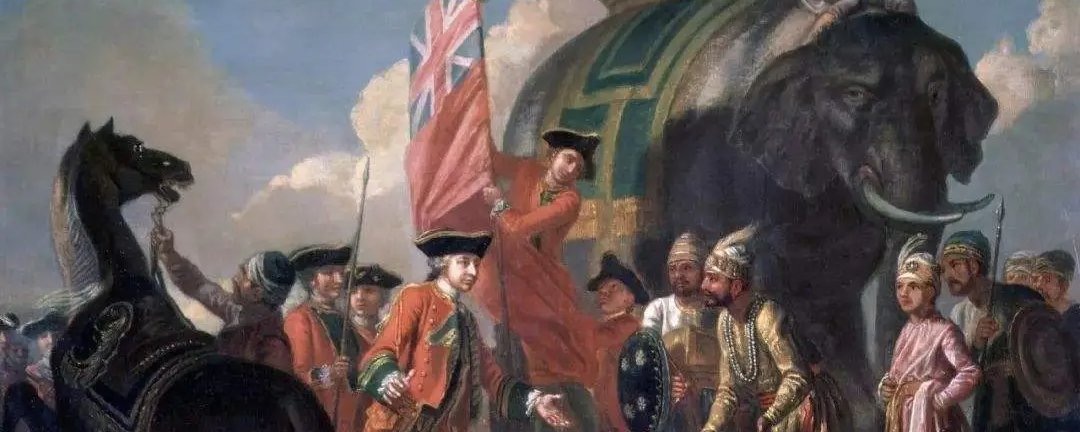
Author 丨 rick awsb ($people, $people) Twitter 丨 @rickawsb原标题丨 “Genius Act” and New East India Company: How will the US dollar stablecoin challenge the current fiat currency system and national shape This is an extremely clever asymmetric strategy. America is using the weakest link of its rival: fear of getting out of control to build its own moat -- Author 1. The Ghost of History: The East India Company's Digital Return to History never simply repeats itself, but it rhymes. When Trump happily signed his name on the “GENIUS Act” (GENIUS Act) document, what popped up in my mind was a historical memory — the Dutch and British East India Company, a commercial behemoth granted sovereign power by the country in the 17th and 18th centuries. This bill appears to be just a technical adjustment to financial regulation, but its deep meaning is to issue a license for the 21st century “New East India Company,” and a transformation reshaping the global power pattern has already begun. 1a. The new power charter dates back 400 years. The Dutch East India Company (VOC) and the British East India Company (EIC) were not ordinary trading firms. They are a mixture of merchants, soldiers, diplomats, and colonists, all under the authority of the country. The powers granted to the VOC by the Dutch government include recruiting its own army, issuing currency, signing treaties with other countries' monarchs, and even waging war. Similarly, the royal charter granted to the EIC by Queen Elizabeth I also gave it the power to monopolize trade and establish military and administrative functions in India. These companies are the earliest multinational companies in history. They do not control simple commodities, but rather define the lifeblood of globalization in that era — maritime trade routes. Today, what the “Genius Act” does is, in the form of legislation, legalize the power giants of the new era - stablecoin issuers. On the face of it, the bill aims to regulate the market and prevent risks by setting reserve standards and requiring asset certification. The real effect, however, is to create a “legal” stable issuer oligarchy recognized by the US government through screening and certification. These “crowned” companies, such as Circle (USDC issuer), future Tether (if they choose to comply), and many internet giants with billions of users such as Apple, Google.meta, and x, will no longer be savagely growing crypto rebels, but “concessionaires” officially included in the US financial strategy. What they control will be a new era of global trade routes — a 24/7 uninterrupted, borderless digital finance track. 1b. From trade routes to financial tracks, the East India Company's power is rooted in its monopoly on physical trade routes. They secured monopoly on the spice, tea, and opium trade with gunboats and fortresses, and made huge profits from it. The new-age “Digital East India Company” will exercise power by controlling the financial trajectory of global value flows. When a US dollar stablecoin regulated by the US Treasury or a specific agency becomes the default settlement unit for global cross-border payments, DeFi (decentralized finance) loans, and RWA (real world asset) transactions, its issuer has the power to define the rules of the new financial system. They can decide who can access the system, freeze assets at any address according to instructions, and set compliance standards for transactions. This is a deeper, more intangible power than controlling physical routes. 1c. The vague history of symbiosis with the country and confrontation with the East India Company is an epic story where the relationship with the home country continues to evolve. At first, they were agents for countries to pursue mercantilism and engage in strategic games with rivals such as Portugal. However, the company's profit-seeking nature rapidly expanded it into an independent center of power. For profit, the EIC did not hesitate to launch wars (such as the Battle of Plassey) and engage in immoral trade (such as opium trade), and repeatedly dragged the British government into a diplomatic and military quagmire where it was unwilling to participate. Eventually, when the company was on the verge of bankruptcy due to mismanagement and excessive expansion, it had to seek help from the country, leading the government to gradually strengthen supervision through a series of laws (such as the “Tea Act” of 1773 and the “Pitt Act” of 1784). Eventually, after the Indian National Uprising in 1858, it was completely stripped of its administrative power and returned to the direct control of the royal family. This history gives us a preview of possible future movements between stablecoin issuers and the US government...

395d agoWendy#Genius Act #Fiat currency #stablecoins

Central Bank of China: Support the promotion of innovative applications of digital yuan to relevant pilot free trade zones

Comparative news, according to Jin10 data reports, Ji Min, head of the Research Bureau of the People's Bank of China, said at the State Council's policy routine briefing on July 4 that in the next step, the People's Bank of China will continue to support the Pilot Free Trade Zone, together with relevant departments and other financial management departments, to further connect with international high-standard economic and trade rules and promote a higher level of institutional openness on the basis of effective risk prevention. On the one hand, financial openness and innovation will be further deepened in the Shanghai Pilot Free Trade Zone. Not long ago, eight support policies were announced at the Lujiazui Forum, including developing free trade offshore bonds, optimizing and upgrading free trade account functions, and launching a comprehensive reform pilot for offshore trade finance services. On the other hand, it is necessary to increase the replication and promotion of the “Shanghai Experience”, support the promotion of measures such as innovative application of digital yuan to relevant pilot free trade zones, promote measures such as optimizing electronic payment services to the whole country, explore practical paths for open innovation and development in China's financial sector, and accumulate more replicable and promoted experiences.

414d ago