Libra · 1921

Linera announces $LNRA public offering to target Hyperliquid's minute-level forecasting market

In comparison, blockchain infrastructure Linera published an article stating that with the $LNRA sale announcement, it will showcase Linera Originals, a badge system, and a specialty market that can be opened, operated, and settled within a minute. Linera said that becoming the “next Hyperliquid” means a dedicated chain, a focus on consumer-grade products, small teams, real revenue and user priority, rather than simple replication. The goal is to predict the market in real time. There is no one in this segment yet, which is difficult for GM to support. Linera uses a parallel microchain architecture, verified by the same set of validators. The user and market each run on an independent microchain. Most blocks are finally confirmed in less than one second, and throughput can be expanded by increasing the microchain. The design stems from research by the CEO's former Meta (Libra/Diem) researcher, and inherits low-latency settlement efforts such as FastPay. The app app.linera.xyz has been launched on this architecture. All predictions are on-chain transactions, and badges measure real participation. The platform markets are all pure player-to-player (PvP). The pool of shared funds is distributed according to the winners, there are no bookmakers or market makers, and the results rely on verifiable price oracles. The core team consists of about five people. $LNRA is a network token, and full sales details will be announced separately; badge recipients can obtain exclusive pool access during sales by using the product.
2d ago
How can crypto VCs find their next opportunity? Haseeb says “some things never come back”

How can crypto VCs find their next opportunity? Haseeb says “some things never come back”

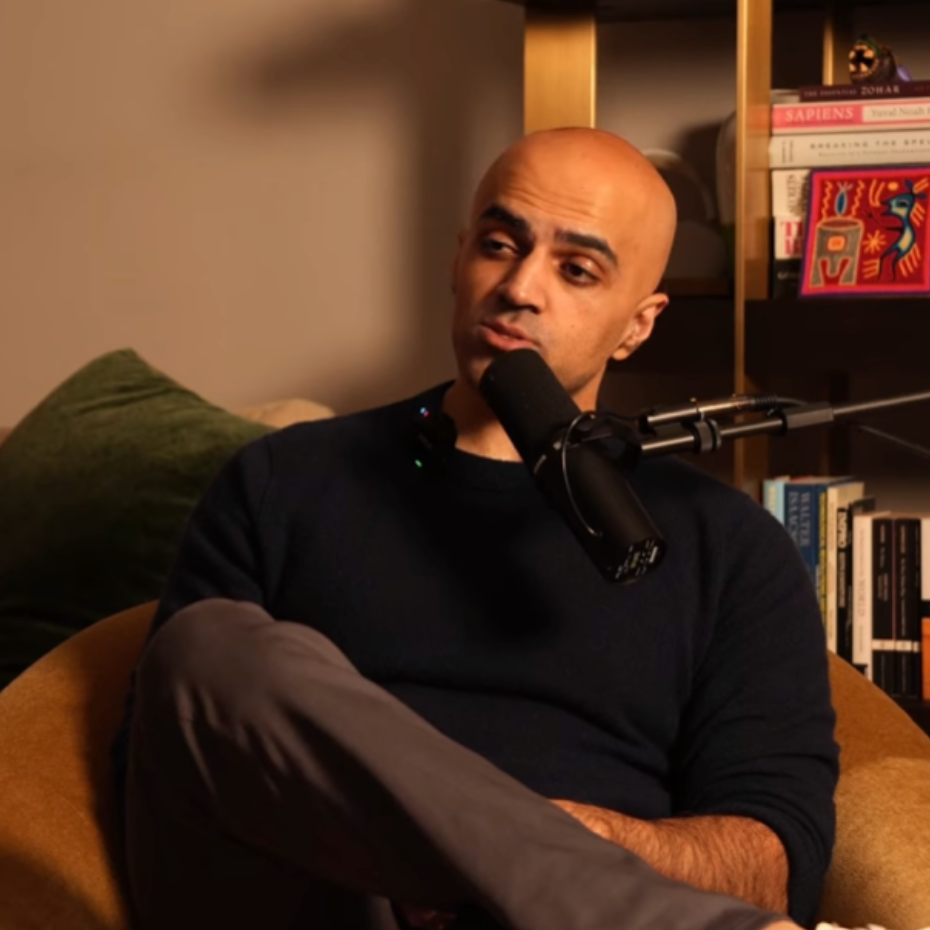
Author: Wu Says Blockchain Original title: Haseeb on Crypto VC: Sorry, Some Things Will Never Come Back In an interview with MAD Society on July 15, 2026, Dragonfly managing partner Haseeb Qureshi discussed crypto venture capital, founder judgments, and long-term trends in the industry. He believes that the key to venture capital is to seize a few non-consensus opportunities. Excellent founders should have outstanding “peak ability,” but lack of integrity and inconsistent words and actions are clear danger signs. Haseeb also said that it is difficult to form long-term enterprises in the direction of some structured products and the tokenization of individual assets, while the DeFi, stablecoin, payment and prediction markets will continue to exist; in the long run, cryptographic technology will eventually be incorporated into various financial and technology products, and the “crypto company” label may gradually disappear. The audio transcription was done by GPT, there may be errors, please watch the original video at YT. Poker and venture capital: How to establish judgment discipline in a long feedback cycle Haseeb Qureshi: There really isn't much compatibility between poker and venture capital. Poker is very similar to trading because they all have very fast feedback loops that can be iterated very closely and quickly. As soon as you play a hand, you'll know whether you won or lost, and whether your decision was right. But in venture capital, the feedback cycle is very slow. If you invest in a founder, it may take many years before you know if your original judgment was correct. In the first year, you may see some initial signs, such as the company is growing and seems to be starting to gain some market recognition. Even if a company has completed Series A or even Series B financing, it can still suddenly go awry. It may have looked like it was going well for several years, but the founders had a fatal flaw that eventually led them to lose the ball in their final offense in the final game of the season. So the reality is, it's hard to quickly judge whether you're doing a good enough job as a venture capitalist. Many funds raised funds by relying on the early book valuation of their portfolios, but it was only discovered in the end that there were no real winners in the entire portfolio. Let's say you invested in Axie Infinity or OpenSea early on, and you probably thought, “Wow, I'm an amazing investor, I did such a great job.” There are also several funds that have invested in FTX in the early stages. At the time, people would say, “My God, this guy is simply the son of choice in the investment world. Can you believe he participated in the FTX seed round?” But just a few years later, the situation became: “OK, this fund doesn't seem to be anything special now.” Because its brightest star project has already exploded. Venture capital is unique in this regard. This means, first, you must take the initiative to establish a feedback mechanism for yourself, rather than expect the world to give you direct feedback. Because as a venture capitalist, you have to keep learning and improving, but it often takes many years to know whether an investment is successful or not. Therefore, feedback must come more from your judgments about your own performance rather than from external results. For a lot of people, this is very difficult. Another difference between venture capital and poker is that venture capital is a team sport, while poker is a single player game. Of course you're playing cards with other people, but essentially you're facing the entire table alone. That's not the case with venture capital. You can only be successful if the founder you invest in is successful; you can only really win if your fund is successful and the projects carried out by the other partners in the fund are also successful. As a result, venture capital relies heavily on collaboration and interpersonal relationships. But if you're a poker player, you hardly need to care about anyone else in the world. As long as you sit at the table, play properly, and continue to make a profit, you can still be a successful poker player even if you don't have any friends. This is also a very different point between the two. Most really good venture capitalists are really good at dealing with relationships. I don't think I'm particularly good at this, but I'm definitely a lot better than the past and better at building relationships than most traders I know. Most traders don't need that. Just like poker players, they don't need to be friendly, be good at handling relationships, and don't need to have a large network of people. Therefore, the ability to really help you make good venture investments in poker is mainly the ability to think clearly about risk and the ability to control emotions well. I found that a lot of venture capitalists aren't really good at this. They can be very emotional, and it's hard to handle conflict. These two aspects are just right...

26d agoburnking

An Argentine judge ordered the freezing of Libra-related wallets involving $8.2 million

Comparing news, Argentina's federal judge Marcelo Martinez ordered the identification and freezing of a set of Libra-related wallets. Previously, the federal police cybercrime technology department had been tracking the flow path of related funds in multiple encrypted networks since May. The investigation involved 8 wallets labeled “Libra team,” which are directly linked to the token issuance. According to the report, 4 of these wallets had collected nearly 57 million dollars to one address, which was previously frozen by the US District Court for the Southern District of New York and the restrictions were lifted. On May 10, the relevant funds were transferred to the Tron address through an interoperability agreement, amounting to nearly $500,000. At least 10 of the 17 transfers went through Binance, and 8 wallets were linked to Bybit, 2 to OKX, and 2 to Bitfinex. Some users with the $8.2 million fund involved may be identified through centralized exchange KYC rules. The remaining funds are currently managed by the Libra Trust, which is scheduled to be distributed in the form of grants to Argentinian companies by November, and 71 applications are pending approval.

36d ago
Whose stablecoin will stand on the platform? What does OUSD's “fake collaboration” storm explain?

Whose stablecoin will stand on the platform? What does OUSD's “fake collaboration” storm explain?

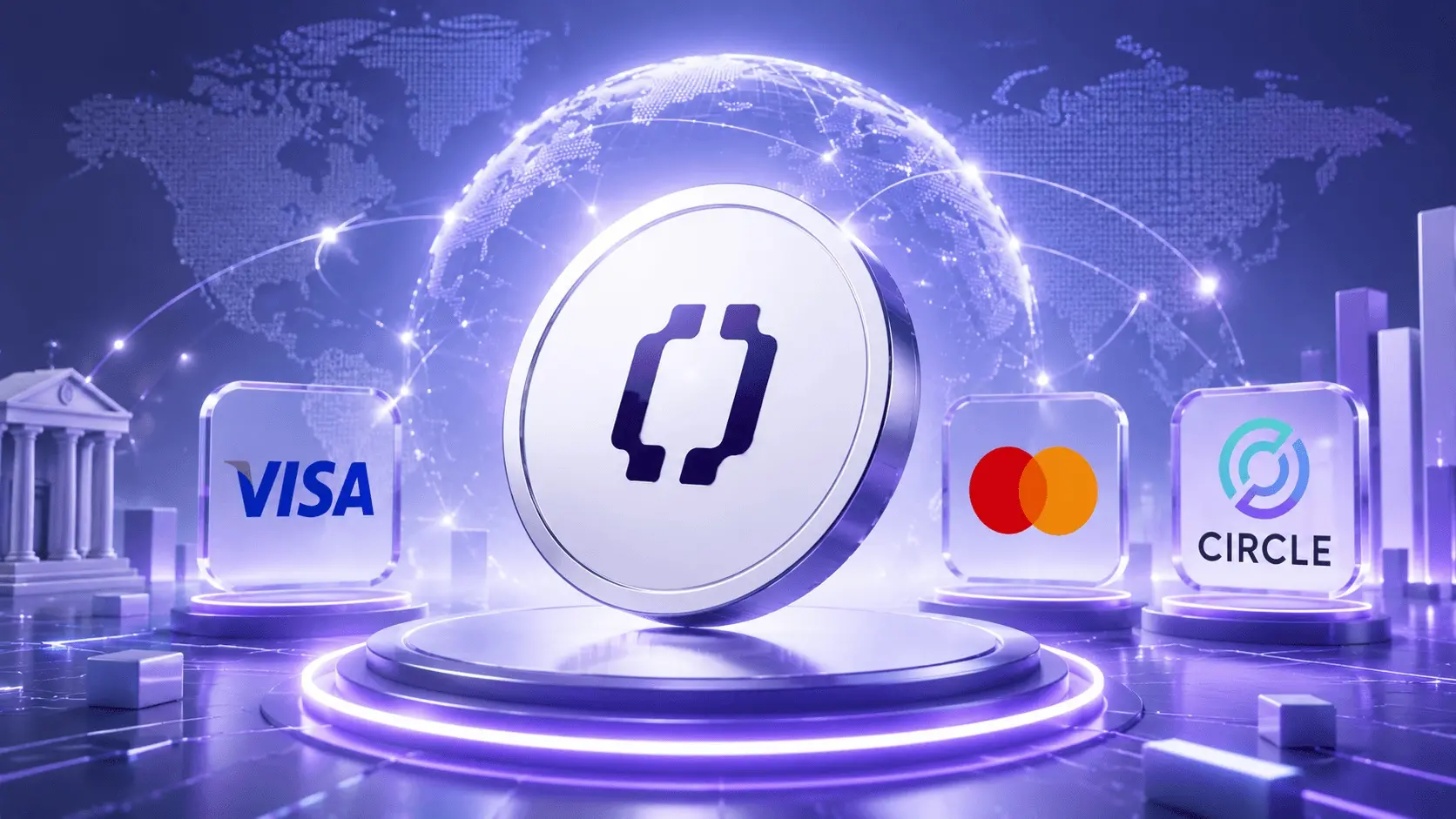
Author: Chloe, ChainCatcher Original title: OUSD Fake Cooperation Storm? A credit game endorsed by stablecoins and giants Last week, Open Standard launched the US dollar stablecoin OpenUSD (OUSD) and revealed a strong lineup with more than 140 companies standing at the same time, from Visa, Mastercard, Stripe, and American Express, to BlackRock, BNY, Standard Chartered, to Google, Shopify, Samsung, Coinbase, Solana, and Ripple. As soon as the news came out, Circle's stock price fell on the same day, but in just a few days, this gorgeous list began to crack. A number of Korean companies came forward to cut OUSD, led by Bridge co-founder Zach Abrams (Bridge was acquired by Stripe in 2024), focusing on three things that are different from existing stablecoins: zero processing fees for minting and redemption, no maximum transaction volume, and returning most of the proceeds from reserve assets to partners driving adoption, rather than being taken by the issuer alone. In terms of governance, it does not have a single controller; instead, partners form a board of directors to make collective decisions. The structure is more like payment networks such as Visa and Mastercard, and plans to launch on the four chains of Solana, Polygon, Aptos, and Stellar first. However, according to a report by the Korean media “North Korea Biz” on July 3, many of the 13 Korean companies on the list came forward to cut. Samsung Electronics said that there have been no formal negotiations between the two sides, and the company doesn't even know what role it wants to play in the alliance. Shinhan Financial Group, Upbit's parent company Dunamu, and K Bank are almost the same: Open Standard only asked “if they are willing to participate,” and their responses were simply “I will evaluate and see,” but the names appeared directly on the official member list. What is even more embarrassing is that some companies said that they only discovered that they were listed through local news. Their initial response was only “I will consider it if everything goes well,” and they are amazed that it was written into the alliance. This question is not limited to South Korea either. Gabor Gurbacs, founder of US OpenAssets, said that several of his clients on the list told him that they had never signed or agreed to anything, and could only speculate that “either the media is seriously distorted, or that this list of participants is misleading.” Objectively speaking, this list is not entirely fictional. Companies such as Mastercard, Stripe, Visa, Coinbase, BlackRock, BNY, and Adyen do indeed have executive endorsements, and Stripe has even stated that it wants OUSD to become the default stablecoin for its platform merchants. The real controversy is that OUSD's model is to share reserve profits, and being listed as a partner is tantamount to enjoying financial benefits. This makes whether or not to participate officially no longer just a matter of PR copywriting, but a real business and reputation issue. Reputation is built up into marketing inertia. In the past, “All-Star League” also fell from heaven and used the fame of giants to stack their momentum. This is a marketing inertia that has been around for a long time in the crypto industry. Chainstory analyzed nearly 3,000 crypto press releases in the second half of 2025. Projects rated as high risk accounted for 35.6% of all published projects, and 26.9% of projects flagged as scams. Together, these questionable categories account for more than 62% of the total number of press releases. Meanwhile, low-risk projects only account for about 27% of the total number of press releases. If you want to talk about how the “All-Star League” fell from heaven, the most classic and apt counterpoint is Facebook's Libra. In the summer of 2019, Facebook made a high-profile announcement with a white paper to launch the stablecoin Libra. The lineup was unprecedented: payment terminals include Visa, Mastercard, PayPal, and Stripe; e-commerce companies include eBay, Shopify, Coinbase in the crypto sector, and even top venture capital such as a16z. Almost half of Silicon Valley is shouting for it. Later, a congressional hearing changed fate. Governments feared that the status of sovereign currencies and the US dollar would be impacted. France was the first to oppose it, while the US Congress fought hard against Facebook's past privacy and data scandals, questioning “why this government...

47d agoburnking#OUSD #stablecoins

Barstool founder Portnoy says he will return his Bitcoin holdings to zero, admits that he has missed the pace of trading many times

Comparing news, Barstool Sports founder Dave Portnoy recently stated on the Fox Business Channel “Varney & Co.” program that even if Bitcoin falls to zero, he will not sell his holdings. He told host Stuart Varney that I want to keep holding it, and that even if it falls to zero, I won't sell it, and that I'd rather sink with the boat this time than repeat the mistake of going up as soon as I sold it before. Portnoy admitted that he bought Bitcoin at a high price of around $100,000 and has now lost millions of dollars. He admits that when it comes to Bitcoin, he saw nothing more than this. The price skyrocketed every time it was sold, and the price dropped every time it was bought. It is worth noting that Portnoy had many missteps in the MEME coin field before — in February 2025, he issued GREED tokens at Pump.fun, and after buying 35.79% of the supply, the token plummeted 99%, but he made a profit of about 258,000 US dollars; after being scolded, he also distributed GREED2 and JAILSTOOL, and confessed during the live broadcast that he did think about rug pulls, and probably still think about it now. Additionally, he was involved in the LIBRA token crash endorsed by Argentine President Millet (buying $4.5 million and later recovering $5 million) and the SafeMoon lawsuit in the early years ($20,000 settlement).

48d ago

NDV founder: Pay close attention to Circle's pullback opportunities, stablecoin competition is beneficial to expanding the crypto market space

Comparing news, Jason Huang, founder of NextGen Venture (NDV), wrote that the agency had previously successfully warned of Strategy (MSTR) pullback risks in advance, but is currently operating in the opposite direction and is beginning to include Circle (CRCL) in the watch list to find opportunities when market sentiment is under pressure. According to Jason Huang's analysis, Circle's stock price fell by about 14% yesterday. The background was that the joint launch of Open USD by several financial institutions raised concerns about increased competition, but this logic was misinterpreted by the market: the joint entry of large institutions will not reduce the size of the stablecoin market; on the contrary, it may expand the overall “cake.” Currently, the total market value of global stablecoins is only about $317 billion, and the industry is still in the early stages of growth. Historical experience shows that payment and finance projects jointly promoted by multiple parties often fail due to inconsistent incentives, such as Libra, etc., so the core competition pattern will not necessarily change in the long run. Jason Huang revealed that Circle has now been included as one of the few tradable stablecoin-themed US stocks. Although it has not yet given a clear target price or immediate position opening plan, he said it will focus on tracking its quarterly execution and fundamental changes.

51d ago
From Libra to Open USD: Those who haven't left the table, change positions and do it again

From Libra to Open USD: Those who haven't left the table, change positions and do it again

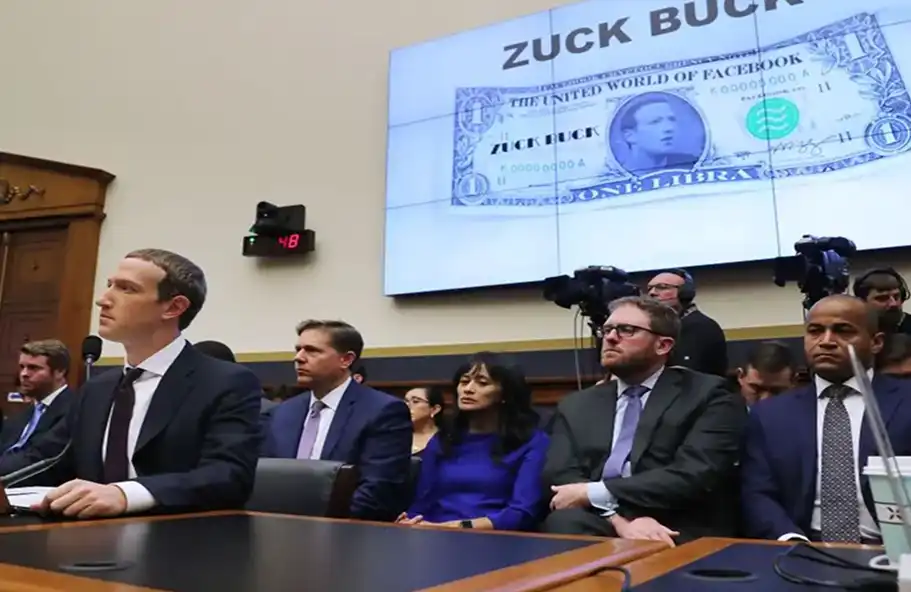
Author: Shengsheng BeatZ Original title: In order to make this money, they waited 7 years for Circle, the first stablecoin stock, to drop 20% faster overnight because of a list. The list includes Visa, Stripe, Mastercard, Coinbase, BlackRock, Google, IBM, and Ripple. They are preparing to join a new coalition to become a US dollar stablecoin called Open USD. The coin is scheduled to be launched later this year and may land on some mainstream chains first. There are no fees for minting and redemption. After deducting operating costs, the revenue generated from the reserve must be distributed to the company that uses it. The market understood at a glance. It's not a question of one more coin. Circle's most profitable portion of deposit interest may be replaced. This news is interesting. These big names have long wanted to do it. In 2019, when Facebook promoted Libra, these people were also sitting at the card table. Visa, Mastercard, PayPal, Stripe, Uber, Spotify, and Coinbase are all there. Facebook understood at the time that it couldn't do this alone. It needed to package this matter into a Swiss association. The name is Libra Association. Seven years later, Facebook no longer takes the lead. But the table didn't go away. The table that didn't sit well in 2019 was a beautiful story when Facebook launched Libra in the summer of June. There are also many people around the world who don't have bank accounts. Cross-border remittance is too expensive. The traditional financial system is too slow. The Internet has made the flow of information almost free; why should money be stuck in the middle of banks, card organizations, clearing networks, and a bunch of intermediaries. This story sounds like a public good. But everyone at the table knows it's not charity. If Libra makes it, it will become a new highway for money. Users can use it to pay, send money, and buy things. Merchants can take it. Facebook is also preparing to create a wallet called Calibra and put it in Messenger and WhatsApp. Libra's former coalition camp; the source is from the Internet, this is not a coin being issued. This is an attempt to rewrite the way money moves on the internet. Facebook knows this is too big of a deal, so it's pulling a lot of companies in. Each member appears to have only one vote. Facebook says it won't control this system. All it has to do is one of the members. Regulators have not been convinced. What they saw was not a modest payment innovation, but a social network with several billion users, bringing together global payment companies and internet companies to launch a private digital currency. The central bank sees monetary sovereignty. Congress saw Facebook. The bank sees the payment portal. What users see is simpler. A company that already has data on social relationships, photos, ads, and behavior says it also wants to help you manage your money. Soon, the pressure hit those coalition members. PayPal went first, and Visa, Mastercard, Stripe, eBay, Mercado Pago, and Booking all went later. The project changed its name to Diem, changed its narrative, reduced its ambitions, and returned from a basket of currencies to a US dollar stablecoin. Diem's assets were later sold to Silvergate. Then, Silvergate itself fell into the banking crisis of 2023. In 2019, Zuckerberg was questioned at the Libra hearing. On the back screen was the community sketch “Zuck Buck” (banknote binding). On the surface, Libra died completely. A white paper, a wallet name, a set of codes, a group of exit lists. What's left is just a footnote in the history of the industry. But if you take Facebook out of the middle and look at that table again, you'll find another story. The companies that left didn't want to touch stablecoins. They don't want to follow Facebook and hit that wall in 2019. But they'll admit that Facebook saw a bigger world with them. What hasn't really changed is who does the interest go to? The stablecoin business looks very new on the outside, but it's actually very old on the inside. The user hands over one dollar to the issuer, and the issuer gives the user an on-chain dollar certificate. Users use this voucher to move back and forth between trading platforms, wallets, and payment scenarios. That beauty...

52d agoburnking#Libra #Open USD

Bubblemaps replays the LIBRA incident arbitrage script: Single wallet cluster draws $87 million in 1 hour

In comparison, the blockchain analysis platform Bubblemaps released an investigation report on the Solana meme token LIBRA, saying that on February 14, 2025, after Argentine President Javier Milei issued an article supporting the launch of LIBRA, the token's market value once reached about 4 billion US dollars in less than two days, then quickly collapsed, and investors lost more than 250 million US dollars. The incident was called “Cryptogate.” Bubblemaps said that in the first hour of LIBRA's launch, there have been a number of abnormal signals: 82% of the token supply is concentrated in a single wallet cluster, which is clearly different from the normal meme coin issuance model; There is no token economy model information, and no hedging, fund allocation, or roadmap has been published; Liquidity pool fees are abnormal, generating more than $25 million in processing fees within one hour of launch, far exceeding normal retail transaction levels. According to the investigation, the deploying party did not directly sell $LIBRA on the open market, but instead achieved a low slippage fund transfer by adding a single-sided liquidity pool containing only $LIBRA to Meteora while withdrawing USDC and SOL from the original pool. Bubblemaps said that as of the time of the public warning, the team had withdrawn approximately $87 million in assets through the mechanism. Bubblemaps then discovered that LIBRA was financially linked to another disputed token, $MELANIA. Through on-chain evidence such as cross-chain transfers and overlapping exchange deposit addresses, analysts believe that the two may be operated by the same team, which is pointed at Kelsier Ventures and its head Hayden Davis. According to the report, the team was then linked to a number of meme coin projects, including $HOOD, $TRUST, $KACY, $VIBES, etc. Common models include: large-scale centralized coin holdings during the deployment phase, multiple wallets rushing to buy, quickly boosting market value, and then withdrawing from cashing out. Bubblemaps said that what is special about the LIBRA incident was not a technical method, but rather that it received public support from Javier Milei, making an ordinary meme coin operation an event of global concern. The agency believes that indicators such as wallet cluster analysis, supply concentration, and on-chain capital flow have revealed risk signals in the early stages, and will continue to track relevant address activity in the future. This article is sponsored by GENG, Build Your Fortune on GENG (https://geng.one)

53d agoburnking
After the metaverse burns 90 billion dollars, Meta turned its bets on predicting the market: can the traffic advantage fill the trust gap?

After the metaverse burns 90 billion dollars, Meta turned its bets on predicting the market: can the traffic advantage fill the trust gap?

Article: Gino Matos Compiled by: Luffy, Foresight News Original title: Can Meta Follow the Trend and Enter the Predictive Market to Avoid the Old Path of Metaverse Failure? TL; DR “The New York Times” reports that Meta formed a small team to develop an internal point-based prediction application codenamed Arena. Users can bet on the results of politics, sports, and global current affairs. The forecast market has shown real demand. With 3.56 billion daily users, Meta is expected to push the niche racetrack to the mass market. But Meta's crisis of trust, combined with elections and disinformation censorship, could make Arena a regulatory target even before it grows in size. The New York Times reported on June 23 that Mark Zuckerberg took the lead in forming a special team to develop the market prediction application Arena. Users can bet on the results of political elections, sporting events, and international events through platform credits. This company, which once lost nearly $90 billion due to the metaverse's name change and its Reality Labs subsidiary, has now turned its head to the forecasting market. This track is actually in high demand and a formed user base, but the regulatory rules are intricate. This transformation is probably Meta's smartest strategic adjustment, or it may be a repetition of past huge costly failures. Huge bills left by the metaverse In October 2021, Facebook officially changed its name to Meta. Zuckerberg wrote that the company's core goal was to “build a metaverse,” and predicted that the metaverse would cover 1 billion users within ten years. Reality Labs, the division that carries this vision, continues to grow in losses: operating losses of $17.7 billion in 2024 and $19.2 billion in 2025, with cumulative losses approaching $90 billion. Meta revealed to investors that the scale of losses in the sector in 2026 may be the same as in 2025. Horizon Worlds, its flagship social VR platform, fell below 200,000 monthly active users in 2022, far below the initial target of 500,000. Meta then lowered its expectations again and plans to gradually shut down the VR version in 2026. Predicting why the market is a completely different track In 2026, Kalshi and Polymarket's two leading platforms have a combined monthly trading volume of about US$24 billion, and industry institutions predict that the market transaction volume will exceed US$130 billion for the whole year. Robinhood launched the Forecast Market Zone in 2025. Yingtou Securities also integrated event contracts into the trading platform, and the Golden Globe Awards ceremony even introduced an interactive prediction market session. Bernstein's April research report estimates that the track's annual transaction scale is expected to impact $1 trillion in 2030. Meta has always been good at replicating popular products and relying on huge traffic to overtake curves: after Snapchat launched limited-time updates, Instagram Stories were launched; Twitter occupied the social graphics circuit for ten years, Meta Threads was launched; after TikTok became popular for short videos, Meta launched Reels. As of April, the daily activity of all Meta products reached 3.56 billion, and the volume of traffic overwhelmed all existing forecasting market platforms. Arena uses a credit design to continue Meta's consistent strategy: capture users' existing behavioral needs, embed its own traffic ecosystem, and rely on mass distribution to make up for the lack of product originality. Building a prediction market requires only software, information flow, account systems, content review, and compliance systems. Some scenarios can be connected to licensed partners; however, the metaverse requires customized hardware, immersive content, virtual images, and an exclusive operating environment, and it will take years to cultivate user usage habits. Reality Labs' huge losses prove that creating a new track model out of thin air is extremely expensive. Comparing the core dimensions of the metaverse and prediction market Arena is not Meta's first test of the prediction market. The last product was shut down as early as the beginning of the 2020 pandemic. Meta launched the point-based mass forecasting application Forecast, which focused on predicting current events, but shut down in 2022. At the time, Polymarket had yet to explode in the 2024 US presidential election, Kalshi did not win the Federal Commodity Futures Trading Commission (CFTC) election contract lawsuit, and the industry's annual trading volume had not exceeded 50 billion US dollars. Meta is about to enter...

58d agoburnking#Meta #Predicting the market
Tubing and Meta are starting to use “stablecoins” to send money to bloggers

Tubing and Meta are starting to use “stablecoins” to send money to bloggers

What many people may not have noticed is that the two largest content platforms in the world have recently quietly added a way to send money to bloggers. It's not a bank card payment, not a PayPal balance, but a stablecoin. In December of last year, YouTube introduced PyUSD payments to American creators. Just last month, Meta paid USDC to bloggers in Colombia and the Philippines through Stripe. The bottom line is Solana and Polygon networks. There wasn't much publicity from the two companies, and they didn't distribute PR articles on a large scale, but the weight of this incident was not light at all. How much money can bloggers get “more”? Let's look at a specific scene first. A Facebook blogger living in Medellin, Colombia, earns money by sharing ads for American audiences. Let's say he earns $2,000 a month. In the past, traditional bank wire transfers were used: banks charged a wire transfer fee of 25-35 US dollars, then the intermediary bank charged another 15-25 US dollars. At local banks in Colombia, they also had to charge an additional 1%-2% deposit fee. Then exchange - there is usually a difference of 3%-5% between the official exchange rate and the exchange rate you can actually get. When all the expenses are added up, there is probably about $1870-1910 left when $2,000 arrives, and the loss is between 5% and 7%. This isn't time. Wire transfers usually take 3-5 business days, sometimes up to a week. Now pay with USDC stablecoins: bloggers receive money on Solana, the processing fee is less than $0.01, and the payment time is 2-5 seconds. He can then exchange USDC for Colombian pesos on a local exchange and withdraw it to his bank account. Exchange rates plus withdrawal fees are usually around 0.5%-1%. Total loss was reduced from 5%-7% to around 1%. Also $2,000, he got $100-120 more. It's not a small number. Meta paid out more than $3 billion to bloggers last year. If all payments were converted to stablecoins and the 3% loss was saved according to conservative estimates, that would be $90 million — this money went straight back to the blogger's pocket. YouTube and Meta follow two different paths YouTube's approach is very conservative. It doesn't touch cryptocurrencies itself; instead, it first transfers the US dollar to PayPal, and then saves it to the blogger account in exchange for PyUSD. The last thing the blogger got was a stablecoin balance, but YouTube was constantly moving around in the fiat currency world throughout the process. The beauty of this design is that the risk of compliance is extremely low. YouTube doesn't need to apply for any cryptocurrency licenses, don't need to worry about wallet hosting, and doesn't need to deal with virtual asset regulation in various countries. All the pressure to comply is on PayPal's side. Meta is completely different. Bloggers need to prepare their own third-party wallet, connect directly to Meta's payment platform, and receive on-chain USDC. Meta doesn't offer an exchange service for fiat money — you can do it yourself how to exchange it for local money. This means that Meta is actually trading on a running chain. Also, it didn't just pick Solana and Polygon. According to statistics from blockchain data platform Artemis, the average transfer fee for Solana is around 0.0002 US dollars, Polygon is about 0.01-0.05 US dollars, and the Ethereum main network is 1-3 dollars. What Meta needs to do is learn while testing — learning compliance, wallet integration, exchange rate conversion, and especially localization operations in these emerging markets. Many of you may remember that Facebook made a high-profile announcement of the Libra plan in 2019 and later changed its name to Diem. This project brought more than 20 giants such as Visa, Uber, and Spotify into the market. The goal is to create a financial infrastructure that serves the world's 1.7 billion unbanked people. As a result, regulators — the Federal Reserve, the European Central Bank, the Bank of England, and the French Treasury — took turns warning that Libra would threaten monetary sovereignty, promote money laundering, and challenge the banking system. Eventually, Diem sold its assets in 2022, and the project completely shut down. Meta publicly acknowledged failure at the time, and Marcus, one of the founders, also left the company. What is interesting, however, is that after Meta said in February of this year that it “has no plans to become its own stablecoin,” it launched a pilot USDC payment program in April. Once you do the math, you'll understand. The combined monthly active users of Facebook, Instagram, and WhatsApp under Meta are over 3 billion. If Meta makes its own stablecoin, it is large enough to become one of the largest payment networks in the world, even if it only covers a portion of the payment scenario within its ecosystem. More importantly...

100d agoWendy#DeFi #Meta #Paypal #PYUSD #USDC #USDT #WhatsApp #YouTube #original #compliance #stablecoins #viewpoints #starters