Web3践行者 · 17
Full text of Arthur Hayes's KBW summit speech: The crazy wave of banknote printing is here to welcome Bitcoin's million-dollar era

Full text of Arthur Hayes's KBW summit speech: The crazy wave of banknote printing is here to welcome Bitcoin's million-dollar era

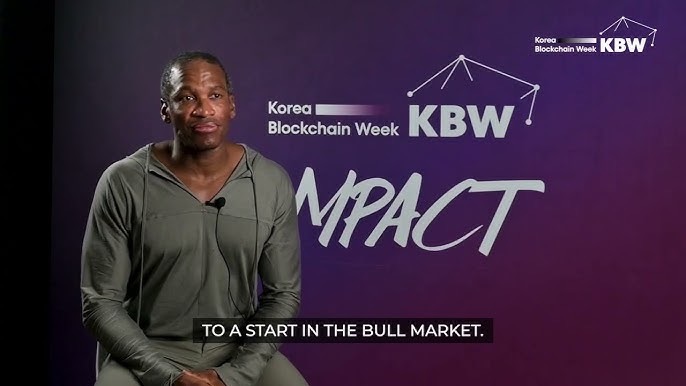
Source: Web3 Practitioners Original title: Welcoming Bitcoin's One Million Dollar Era - Arthur Hayes KBW Summit Speech On September 23, Arthur Hayes attended the KBW 2025 summit in South Korea and delivered a keynote speech. His keynote speech outlined the “crazy money printing” phenomenon that may occur in the US in the future, and analyzed its historical roots, political drivers, and specific mechanisms that may be implemented. It also mentioned why we as crypto investors should care about these. Arthur Hayes emphasized that if you compare the rise in Bitcoin prices during the pandemic to the scale of credit expansion during the same period, in 2028, the price of a Bitcoin was about 3.4 million US dollars. Although this figure is ridiculous, the “million dollar” era of Bitcoin is about to arrive. Here's the full text of Arthur Hayes' speech: Opening and Background: Going crazy to print money is good, it's going to get a little technical, and it talks about who votes for what, etc. But I think it's very important to understand where we are currently on America's path towards crazy banknote printing. It actually began when Donald Trump elected and appointed a Secretary of Treasury, I call it “Bill the Bison.” But they haven't really got it in place. They are sending out all the right signals, and mainstream financial media are talking about how bad Trump is. For example, every day he scolds Jerome Powell as “Mr. Too Late” on social platforms (Truth Social). But at the end of the day, the Federal Reserve has cut permanent interest, which is not bad, but they could have done more. How can we go crazy? How can we make Bitcoin rise to 1 million or more, and make any “altcoin” in the portfolio rise 100 times without a leader, no revenue, and no customers? I know this is what you guys want to hear from me. How can we get to that point? This starts with understanding how the Federal Reserve votes, which committee is responsible for what, and how we are moving towards the end that ultimately controls the yield curve. That's why this post I posted after I stepped down and the speech that followed will discuss this. So, in order to understand where we are going, let's go back to history, because history can predict the future. Historical review: War financing in the 1940s goes back to the 1940s, what happened back then? There was a world war. The US got involved in 1942. Obviously, when you're involved in a war, what do you do? You'll print lots of money. How do I do that? You told the central bank to lower the price and increase the amount of money, so the central government could crowd out everyone and borrow money to create murderous things. So, how did the US government finance participation in World War II? The Federal Reserve has basically agreed with the Treasury that they will manipulate the bond market so that the US government can issue debt at a very low cost. This is a picture of a Tuskegee pilot. They are preparing to go to war and buy war bonds. What was the interest rate on treasury bonds at the time? For almost ten years, interest rates on treasury bills with maturities of less than one year were limited to 0.375%. In long-term treasury notes, interest rates on 10-25 year treasury bonds are limited to 2.5%. This is America's yield curve control. Yield curve comparison and future conjecture Here's a chart of the yield curve. The orange line represents our general situation today; this is a picture I made over the weekend. As you can see, the interest rate on 1 to 3 month treasury bills is about 4%, 10-year treasury bonds are about 4.5%, and 30-year treasury bonds are about 4.75%. This is our yield curve today, in contrast to the yield curve during World War II in the late 1940s. In Trump's opinion, this is what he wants to create. He wanted to turn the orange thread into a purple one. As investors, we have to answer how we can reach this goal, and we have to make some bold assumptions and speculations. I'm probably going to go deep into the field of bureaucratic politics, which is obviously very confusing because we're dealing with people, and people are weird, and they do things we don't expect. So I'm going to paint a possible path, but I don't know if this will actually happen. However, judging from the way I currently think about Maelstrom's (the investment company he manages) portfolio, this possibility is high enough to give me confidence to push the risk level almost to the highest level, even though Bitcoin has risen from around $3,000 to $12,000 and is now experiencing a period of weakness. The yield curve control mechanism and the US Union...


332d agoWeb3践行者#Arthur Hayes #Bitcoin #Federal Reserve
The benefits of interest rate cuts have been exhausted, and the sword of volatility is about to fall!

The benefits of interest rate cuts have been exhausted, and the sword of volatility is about to fall!

Source: Web3 Practitioner Original title: Interest rate cuts have been implemented, is the right time for a market carnival? In the early morning of September 18, 2025, Beijing time, the Federal Reserve announced a 25 basis point cut in interest rates as scheduled. The initial reaction of the market was in line with classic expectations: declining US bond yields, weakening US dollar, and general rise in risk assets. However, an hour later, Federal Reserve Chairman Jerome Powell (Jerome Powell) held a press conference, and the market trend was completely reversed — the US dollar index showed a V-shaped rebound, gold fell sharply from its historical high, and the rise and fall of US stocks were divided, and the overall situation was significantly confused. The 25 basis point rate cut itself is not the core of the current market chaos. According to CME FedWatch tool data, the market's previous expectation for this interest rate cut was as high as 96%, which is almost a foregone conclusion. The real trigger was a deliberate but clearly broken image of “unity” behind monetary policy decisions. Among them, the only negative vote cast by White House “commissioner” Stephen Miran (Stephen Miran) was like a rift, piercing the illusion of “independence” promoted by the Federal Reserve as the core institution of the traditional financial system, and also unexpectedly gave a new value endorsement to Bitcoin as a decentralized asset. 1. “Data dependency” shift: The logic of the necessity of cutting interest rates before analyzing the specificity of this meeting, it is necessary to first clarify the central motive for the Federal Reserve to launch an easing policy at this time — the job market has released clear risk signals. According to data from the US Department of Labor, in the three months up to August 2025, the average number of new non-farm payrolls per month in the US was only about 29,000, the lowest level since 2010 (non-pandemic impact period). Deeper employment indicators are also under pressure: the number of people applying for unemployment benefits for the first time has climbed to a peak of nearly four years, and the number of long-term unemployed (with an unemployment cycle exceeding 26 weeks) has also reached its highest value since November 2021. In fact, Powell already sent a signal at the Jackson Hole Global Central Bank Annual Meeting at the end of August 2025, clearly stating that “downside risks in the job market are rising,” which marks a significant shift in the Federal Reserve's policy focus from “fighting inflation” to the goal of “maintaining full employment.” Although the market generally sees this interest rate cut as a clear move by the Federal Reserve's “dovish shift,” the existence of the three core suspense has made the impact of this meeting far exceed conventional monetary policy adjustments and push the market into a complicated situation. 2. Three major suspense: Uncertainty of policy path and political intervention (1) Suspense 1: Divisive bitmap and vague path of interest rate cuts The core concerns of the market focus on “the Fed will cut interest rates a few more times for the rest of the year.” Since interest rate cuts of 25 basis points have been fully priced by the market, the “Dot Plot” (Dot Plot) reflecting future interest rate paths has become a key guideline. On the surface, the median bitmap shows that Fed policymakers expect to cut interest rates twice within 2025, with a cumulative margin of 50 basis points, which seems to give a clear direction. However, in-depth analysis shows that there are serious differences within decision makers: out of 19 voting committee members, 9 support two more cuts during the year, and 9 others think at most once, and some voting committees even advocate interest rate hikes; even more extreme, one forecast (the market generally believes from Milan) suggests that interest rates should be cut by 125 basis points during the year. Goldman Sachs economists have previously warned that even if the bitmap points to two interest rate cuts, the “decision-making level is less divided” market expectations are too optimistic. This marked split in predictive distribution greatly weakens the effectiveness of bitmaps as policy guidelines. The vagueness of official policy signals is in stark contrast to aggressive pricing in the market. According to CME (CME) interest rate futures data, after the meeting, traders quickly raised the probability of continuing to cut interest rates in October and December 2025 to over 70%. This means that in the future, the market will face two possible paths: first, the Fed will adhere to a cautious stance and clash with aggressive market expectations, triggering a new round of market fluctuations; second, the Fed will compromise under the dual effects of political pressure and market expectations to begin an easing cycle that exceeds expectations. Regardless of the path, “uncertainty” will be the main tone of the market in the coming months. (2) Suspense 2: Powell's “balance technique” and policy adjustment dilemma Facing internal differences and external pressure, Powell defined this interest rate cut as a “risk management (risk management) operation.” The core logic of this set of expressions is to “balance both ends”: internally, by acknowledging the weakness of the job market, providing reasonable support for interest rate cuts; externally,...

337d agoWendy#dot matrix #Federal Reserve #The Federal Reserve cuts interest rates #Interest rate cut #Interest rate cut topic #Powell
Controlling Bulls and Bears: The Ultimate Guide to Bitcoin's Cycle and Valuation System

Controlling Bulls and Bears: The Ultimate Guide to Bitcoin's Cycle and Valuation System

Source: Web3 Practitioner Original title: Bitcoin Cycle Mechanism and Multi-dimensional Valuation System In-depth Analysis Cyclical fluctuations in the crypto asset market essentially have a strong coupling relationship with Bitcoin's price cycle. As the “guiding principle” of the crypto ecosystem, Bitcoin not only dominates the dynamic evolution of its own valuation logic in about four years, but also profoundly affects the pricing logic and market performance of altcoins, decentralized finance (DeFi) projects, and other crypto assets through mechanisms such as liquidity transmission and market sentiment anchoring. Deeply deconstructing the underlying drivers and stage characteristics of the Bitcoin cycle and accurately using multi-dimensional valuation tools is a core prerequisite for grasping market transition nodes and optimizing asset allocation strategies. 1. Core logic and phase characteristics of the Bitcoin cycle The formation of the Bitcoin four-year cycle is not an accident, but is an inevitable result of the resonance of its endogenous mechanism, market liquidity, and social consensus. This cycle rule has been fully verified in the past three complete rounds. (1) Three core elements of cycle driving 1. Halving mechanism: The supply-side “scarcity engine” Bitcoin's halving mechanism (210,000 blocks produced per output, about 4 years) is the “native driving force” of the cycle. The mechanism entered the “supply compression phase” by systematically cutting block rewards (from 50 BTC per block initially to 3.125 BTC after halving in 2024). From an economic perspective, halving Bitcoin's annual inflation rate directly reduces Bitcoin's annual inflation rate, strengthens “deflation expectations,” and in turn generates a “scarcity premium” — a process that not only reduces short-term selling pressure on miners, but also restructures the balance between market supply and demand, and promotes the formation and spread of consensus on price increases. Historical data shows that 12-18 months after each round of halving, Bitcoin often enters the main upward wave in price. Essentially, the market is pricing the “scarcity dividend” ahead of time. 2. Liquidity transmission: The “capital anchor effect” of the market is the core asset that accounts for more than 50% of the market value of the crypto market (2024 data). Bitcoin is the “primary undertaker” of global crypto liquidity, and its price fluctuations are transmitted to the entire market through multiple channels: Exchange level: Bitcoin's leveraged trading (futures, perpetual contracts) position changes directly affect the overall leverage ratio of the market, which in turn causes linked fluctuations in altcoins; on-chain level: Bitcoin is a mainstream collateral asset, and its price drop may trigger a chain reaction of the DeFi protocol settlement, intensifying the market Panic; institutional level: Bitcoin is the “doorstep” for institutional capital to enter the crypto market. The inflow and outflow of capital directly determines the overall risk appetite and cost of capital in the market, forming the transmission logic that “if Bitcoin rises, the whole market generally rises, and when Bitcoin falls, the whole market is under pressure”. 3. Social consensus and psychological expectations: The “pendulum effect” of emotions The Bitcoin cycle is essentially also a “belief cycle” of market sentiment. Each cycle follows the four-stage emotional evolution path of “budding - fanaticism - bubble - decline”, and the psychological curve is highly compatible with the price curve: bull market stage: FOMO (fear of missing out) effect forms a positive feedback cycle of “emotion - price - transmission” — price increases attract media attention, trigger the entry of off-market capital, further push up prices, and ultimately build a popular investment consensus; bear market phase: When liquidity declined, funds showed the characteristics of “clustered bitcoins” — compared to the high volatility of altcoins, Bitcoin's “safe-haven properties” stand out, and its price drop is usually significantly lower than that of altcoins (in previous bear markets, altcoins fell by more than 80%, and Bitcoin fell by about 60%). This phenomenon in turn strengthens Bitcoin's “value storage” consensus and lays the foundation of belief for the next cycle. (2) The key identification signals at the top of the cycle accurately determine the top and bottom of the cycle. It is necessary to combine multi-dimensional indicators such as price trends, on-chain data, capital behavior, and market sentiment to form a “resonance verification”. Judging from market laws, the top is often accompanied by an “imbalance between supply and demand” — where miners continue to produce but market demand cannot grow at the same time, which eventually triggers a “cliff-style correction” in prices; the bottom is the “ultimate release of pessimism”. At this point, valuation indicators return to rationality, and the “double bottom” of financial and emotional aspects are superimposed to provide conditions for a cycle reversal. 2. Bitcoin's multi-dimensional valuation system and practice apply Bitcoin as a non-sovereign, non-profit decentralized asset. Its valuation cannot use indicators such as PE and PB of traditional stocks. It is necessary to construct a four-dimensional analysis framework of “scarcity - network effect - production cost - market behavior” to improve valuation through cross-verification of multiple indicators...

360d agoWendy#DeFi #cycles #altcoins #Bitcoin #mobility #Market topics
Say goodbye to four years of silence: institutions swept 680,000 ETH, starting a new explosive cycle

Say goodbye to four years of silence: institutions swept 680,000 ETH, starting a new explosive cycle

Source: Web3 Practitioner Original title: Why did the data on the Ethereum chain hit a four-year high, and institutions violently swept 680,000 ETH? As far as Ethereum is concerned, the significance of August is far more than a change of season; it is also a landmark footnote to the full recovery of its ecosystem after precipitation. The shackles of the market, which have been dormant for nearly four years, have been broken one after another. The internal vitality generated by the explosion of on-chain data resonates with the strong upward curve of asset prices, and together they have built an epic market driven by the resonance of underlying technological innovation, institutional capital entry, and a recovery in market sentiment. Under the hustle and bustle of the market that has broken through the $3,700 key integer mark, it also contains the underlying logic that the value dimension is re-anchored after continuous technology iteration and deep application penetration in the Ethereum ecosystem. This is not an accidental price fluctuation, but an inevitable release of intrinsic value in the ecosystem under the multiple effects of upgrading underlying infrastructure, expanding application scenarios, and forging capital consensus. Core data shows the momentum of recovery The Ethereum network showed impressive momentum in July. A number of core indicators simultaneously climbed to historical peaks, outlining an active ecological picture comparable to past big bull markets. As a core yardstick for measuring the efficiency of the network's value flow, the total amount of on-chain transactions surged by nearly 70% from month to month. This data not only set a new monthly record since the peak of the crypto market in December 2021, but also completely ended the four-year hiatus cycle, clearly showing that Ethereum's recovery process has reached a new level. Meanwhile, Ethereum's monthly transaction volume reached 46.67 million, a record high, up 3.6% from the previous peak in May 2021. The steep rise in transaction volume not only reflects the increasingly frequent demand for value transfer from market participants, but also profoundly reflects the overall recovery of the upper-tier application ecosystem — the intensity of activity in core application scenarios such as DeFi protocols, the NFT market, and cross-chain bridges has increased significantly, marking a substantial expansion of real economic activity on Ethereum's “value settlement layer”. In terms of network basic usage frequency, the number of on-chain transactions also achieved a historic breakthrough. The total monthly volume of 46.67 million transactions not only set a new monthly high since the inception of Ethereum, but also surpassed the level of on-chain activity frenzy in May 2021 with a 3.6% increase. The formation of this high-frequency transaction trend is largely due to the large-scale implementation of Layer 2 expansion solutions (such as Optimism, Arbitrum, etc.), which effectively reduces user interaction costs and improves network operation efficiency, making diversified on-chain activities from micropayments to complex contract calls economically viable, and successfully transforming the expansion technology blueprint into a perceptible user experience upgrade. As a dual measure of the health of the network and the strength of the user base, the number of active addresses reached 17.55 million in July, returning to the high level of the market in May 2021. This means that a large number of new or “awakened” users are continuously pouring into the Ethereum ecosystem to participate in interaction, and are by no means isolated data fluctuations. This indicator, along with transaction volume and transaction volume, forms a self-consistent and mutually reinforcing verification system, confirming that the Ethereum network is carrying a collaborative surge in capital flow, information flow, and user flow at an unprecedented density. Market signals clearly verified the overall improvement of on-chain data on the recovery process, and ultimately formed the most intuitive and strong feedback at the asset valuation level. As of press time, the ETH price has strongly broken through the upward resistance and settled above the $3,700 integer mark. This price point is by no means an isolated market fluctuation, but rather the result of a combination of multiple pricing factors — the market has completed a systematic revaluation of asset values through a comprehensive assessment of multi-dimensional variables such as improvements in on-chain fundamentals, evolution of the macroeconomic environment (such as the shift of the Federal Reserve's policy towards increasing expectations), and deepening the Ethereum technical narrative (the Cancun upgrade further empowers Layer 2 performance). This price breakthrough has clear value support anchors, which is markedly different from speculative markets driven by pure emotion. The crypto market has always had the dual attributes of fanatical momentum and brutal gaming. The process of the Ethereum price quickly conquering the $3,700 key level simultaneously triggered centralized liquidation of leveraged short positions. According to the data, the total amount of liquidated positions in the global crypto market reached US$229 million in the last 24 hours, affecting more than 86,030 traders. Among them, short positions against Ethereum were liquidated and lost nearly $90 million, accounting for the entire market...

382d agoWeb3践行者#Ethereum #Ethereum topics #Wall Street #institutions #On-chain data
$2.46 billion plus BTC! MicroStrategy's preferred stock financing peaked at the biggest IPO of the year

$2.46 billion plus BTC! MicroStrategy's preferred stock financing peaked at the biggest IPO of the year

Source: Web3 Practitioner Original title: Raising 2.46 billion dollars to increase Bitcoin positions! MicroStrategy's STRC Preferred Stock IPO reached the top of the year after MicroStrategy (MicroStrategy) completed a $2,521 billion STRC Perpetual Preferred Stock Financing and immediately launched a new round of plans to increase its Bitcoin holdings — purchasing 21,021 bitcoins at an average cost of $117,256, involving approximately $2.46 billion. This move raised its total Bitcoin holdings to 628,791, accounting for about 3% of the total global Bitcoin circulation, further consolidating its position as “the dominant Bitcoin holdings of US listed companies.” Michael Saylor (Michael Saylor), founder of MicroStrategy, revealed this development via the X platform in the early morning of the 30th. Up to now, the market value of the company's Bitcoin holdings is estimated to be close to 80 billion US dollars, which has achieved significant surpluses compared to the cumulative cost of increasing holdings (46.8 billion US dollars), reflecting the phased returns of its long-term Bitcoin strategy. Judging from the logic of capital operation, STRC preferred stock fund-raising forms a closed loop with Bitcoin holdings: funds obtained through innovative financing instruments continue to flow to core strategic assets, which not only strengthens the weight of crypto assets in the balance sheet, but also injects new momentum into its “digital asset reserve” narrative. This operation not only highlights MicroStrategy's firm commitment to crypto assets, but also reflects the deep penetration of traditional listed companies into the blockchain field in terms of asset allocation. MicroStrategy (MicroStrategy) recently announced that it has completed its initial public offering (IPO) for STRC perpetual preferred stock, with a capital raised of US$2,521 billion. This amount not only topped the US capital market financing list in 2025, but also set a new global perpetual preferred stock issuance record since 2009, demonstrating the market's strong confidence in its crypto asset allocation strategy. This time, STRC issued 28,011,111 shares at a price of $90 per share. The design highlights the ingenuity of capital operation: as a perpetual tool with a floating interest rate, no maturity date and no dilution of common shares, it not only injects liquidity into the company, but also preserves the flexibility of the capital structure. The joint underwriting groups formed by Morgan Stanley, Barclays, Moelis & Company, and TD Securities are all first-tier Wall Street institutions, and their participation itself is a heavyweight endorsement of the MicroStrategy business model. STRC's dividend mechanism further reflects its innovative nature: an annualized target dividend rate of 9%, paid monthly, and the interest rate is linked to a 1-month SOFR (overnight secured financing rate); the board of directors has the power to fine-tune the dividend rate of 0.25% each month to achieve a stable target share price of $100. Furthermore, the deferred interest clause gives the company the right to suspend dividend payments when cash flow is tight, providing a buffer for financial soundness. For investors, STRC has established a “double protection” mechanism: the priority dividend priority over common stocks guarantees income stability, and its value is deeply tied to MicroStrategy's Bitcoin holdings, which also indirectly opens a channel for investors to share the dividends of crypto asset appreciation. This design blurs the boundaries between traditional fixed income instruments and alternative assets, enabling conservative funds to participate in crypto-themed investments through a compliant path. It is worth noting that in contrast to MicroStrategy's continued increase in holdings, the Bitcoin price has recently been in a high fluctuation range: it broke through $119,000 on the 29th, then fell slightly during the US stock trading session, falling slightly by 0.48% within 24 hours. This fluctuation not only reflects the market's cautious sentiment towards high-ranking assets, but also adds a realistic explanation to MicroStrategy's “bucking the trend” strategy...

387d agoWendy#IPOs #STRC #Microstrategies #Bitcoin
Bitcoin's market share fluctuated in 12 years, hiding the “evolutionary theory” of the crypto industry

Bitcoin's market share fluctuated in 12 years, hiding the “evolutionary theory” of the crypto industry

Source: Web3 Practitioner Original title: 12 Years of Bitcoin Market Share: Ecological Evolution History from Monopoly to Balance In the evolution of the crypto market, Bitcoin's dominant position has continued steadily for eight years, and its current market share is forming a dynamic balance around the 12-year average. Back in the 12-year period from 2013 to 2025, Bitcoin's market share showed significant volatility, covering the range from an all-time low of 31.1% to an early high of 99.1%. Looking at the time distribution, the market share remained at 50.0% and above for about two-thirds of the trading days — which means that Bitcoin dominated the market for 8 years during this 12-year cycle, highlighting its fundamental position in the crypto ecosystem. Looking at annual trends, Bitcoin's market share has gone through many rounds of adjustments: starting at a high of 93.3% in 2013, then falling to 44.6% in 2018; rebounding to 60.2% in 2019 and rising slightly to 62.7% in 2020; falling back to 47.6% in 2021 and falling further to 39.3% in 2022. Since 2023, Bitcoin's market share has been rising steadily: the annual average in 2023 rose to 45.6%, climbed to 51.9% in 2024, and has reached 59.3% since 2025. This figure is gradually converging to a central level of 62.5% per day over 12 years, reflecting a further strengthening of the market's consensus on its core values. The fluctuating trajectory of Bitcoin's market share is not only a microcosm of the crypto market's evolution from a single asset pattern to a diverse ecosystem, but also reflects its resilience as a “crypto asset pricing anchor” — even in the cycle of alternating altcoins, its long-term dominance has not been shaken, and the current return to the mean highlights the sustainability of this structural advantage. Key thresholds and market evolution signals Bitcoin's market share has continued to fall below 90% since February 2016. Behind this inflection point is a structural shift in the market driven by the 2017 ICO boom and the first round of the altcoin bull market — the expansion of the number of mainstream altcoins and the rise in market capitalization, marking the mature transition of the crypto market from “Bitcoin single dominance” to “multi-asset symbiosis.” The evolution of another key value is iconic: Bitcoin's market share continued to decline after hitting 70.7% on January 3, 2021, and has remained below 70% for a long time since then. This means that in the past 12 years, its average daily market share reached 70% or more for only one-third, reflecting a significant decline in market acceptance of “ultra-high dominance.” Currently, whether Bitcoin can break through the 70% threshold again has become an important indicator for observing the strength of market consensus. Notable is the breakthrough on April 7, 2025: Bitcoin's market share rose to 60.5%, reaching the 60% mark for the first time in more than four years — the last time it crossed that threshold was on March 15, 2021 (60.6%). Judging from historical data, Bitcoin's market share has been below 60% for more than half of the past 12 years, which means that 60% has become the critical line for distinguishing between “Bitcoin's relative strength” and the “active cycle of altcoins.” The twelve-year evolution of Bitcoin's market share The annual average, minimum, and maximum values of Bitcoin's market share from 2013 to 2025 are as follows. Absolute dominance period (2013-2016): Monopoly position under the 90% threshold From 2013 to 2016, Bitcoin dominated the crypto market with an absolute advantage, and its average daily market share remained stable in the range of 82.6% to 93.3%. At this stage of the industry's enlightenment, even in the face of price pullbacks and regulatory shocks — such as the US's response to the leading exchange Mt. Gox's first major regulatory action, Bitcoin's market position remains unwavering, and even reached an all-time peak of 99.1% on May 29, 2013, almost synonymous with the entire crypto market. Despite the overall monopoly trend, Bitcoin's market share experienced three significant fluctuations in the past four years, which epitomized the fragility and resilience of the early market: On March 29, 2014, Mt. In the aftermath of the Gox collapse, Bitcoin's market share fell 10.9 percentage points in a single day, from 89.6% to 78.7%. This fluctuation stemmed from a sharp rise in the total market value of crypto during a panic sell-off and then correction,...

389d agoWendy#altcoins #Market share #Bitcoin
Crypto Legislation's “Breakthrough” Blocked: Bill Merger Controversies Ignite Deep Divides

Crypto Legislation's “Breakthrough” Blocked: Bill Merger Controversies Ignite Deep Divides

Source: Web3 Practitioners Original title: US Cryptocurrency Legislation is at an impasse: A deep struggle between bill merger disputes and a deep political game The stalemate between Republican hardliners in the US House of Representatives over crypto-related legislation continues. This week, as Congress's designated “Crypto Week,” was originally planned to review three key bills, including the “CLARITY Act” and “GENIUS Act” — all of which are strong legislative agendas supported by President Trump. However, as of Wednesday, the relevant procedural voting was still suspended, and negotiations continued in a multi-party game. The turning point of events began Tuesday evening: after meeting with some hardline lawmakers at the White House, Trump claimed to have persuaded them to support the advancement of legislation; on Wednesday, after final negotiations with the House leadership, these hardline lawmakers returned to the legislative promotion camp, enabling the House of Representatives to initiate the first procedural step of relevant legislation. But the core of the controversy surfaced: the agreement reached between the hardliners and Trump clearly called for merging the CLARITY Act, which focuses on market structures, with another bill aimed at prohibiting central banks from issuing digital currencies (CBDCs). The decision immediately sparked strong discontent among members of the bill drafting committee. According to two anonymous sources familiar with the matter, the crux of the impasse is that hardliners are anxious to ensure that the CBDC ban is implemented, while committee members are concerned that this kind of “bundled legislation” will cause the two bills to die together due to a combination of disputes. To break the impasse, the parties are exploring a compromise path: remove the CBDC ban and attach it to “must pass” priority laws, such as the annual National Defense Authorization Act or the Foreign Intelligence Surveillance Power Renewal Act, to avoid the risk of passing a single bill. Up to now, more than 10 Republican lawmakers have yet to say anything about the “regular vote” on the legislative debate process, including Agriculture Committee Chairman Thompson and Financial Services Committee Chairman Frankie Hill — two of whom were still meeting with House Speaker Johnson on Wednesday afternoon. House Majority Leader Steve Scalis has confirmed that the leadership plans to vote on the bill separately and then push for merger; the House Rules Committee also held a hearing on Wednesday afternoon to begin this process. Summarizing the current stalemate in cryptocurrency legislation, it is essentially a concentrated expression of the “issue priority game” and “cross-party balance” in the US political ecosystem. Hardliners see the CBDC ban as a core claim to defend financial sovereignty and try to use the CLARITY Act's momentum to achieve bundling implementation; while committee members and Democratic Party supporters are more concerned about the viability of the legislation and worry that excessive ideologization will bury a rare opportunity to standardize the crypto market. Looking at the process, even though the leadership has proposed a “share first, cooperate later” strategy, the lack of statements from key members of parliament and the risk of passing it by the Senate still make the final direction of the “Crypto Week” legislation full of variables. This impasse not only reflects differences of ideas in the construction of the US crypto regulatory framework, but also reveals that political games limit the efficiency of financial legislation — the results will directly affect the standardization process of the US cryptocurrency market and the direction of the evolution of the global crypto regulatory landscape...

401d agoWeb3践行者#Clarity #GENIUS Act #Web3 practitioners #bill #Trump #stablecoins
Tokenized Stocks: From the “Shadow Market” to Mainstream Transformation and Test Questions

Tokenized Stocks: From the “Shadow Market” to Mainstream Transformation and Test Questions

Source: Web3 Practitioner Author: Crypto Big Coconut Original title: Tokenized Stocks Simplify Investments, Bring New Opportunities and Regulatory Challenges! In the late 1980s, physicist Nathan Most (Nathan Most) worked on US stock trading platforms. Unlike traditional financial practitioners, the starting point of his career was not in the banking or trading field, but in the logistics industry's transportation of metals and commodities. His entry point was not the financial instrument itself, but the architecture design of the underlying system. At the time, mutual funds were the mainstream tool for gaining broad market exposure. Although they provided investors with the possibility of decentralized allocation, there was a significant lag in efficiency — investors were unable to trade in real time during the trading day, and had to wait for the day to close before confirming the transaction price after placing an order (it is worth noting that this characteristic continues to this day). For investors who are used to trading individual stocks in real time, this experience is outdated. Nathan came up with a groundbreaking idea: design a product that tracks the S&P 500 index but can be traded like individual stocks — packaging the entire index into a new listing tool. This idea initially faced many questions: the mutual fund was not designed for real-time transactions, the supporting legal framework was lacking, and market demand was unclear. Despite this, he continued to push forward. In 1993, S&P Depositary Receipts (SPDR) were officially introduced under the code “SPY”, becoming the world's first exchange-traded fund (ETF). This tool, which aggregates hundreds of stocks, was initially viewed as a niche product, but eventually grew into one of the world's most traded securities — SPY's trading volume even surpassed the total number of constituent stocks it tracks on many trading days. The liquidity of a synthetic financial instrument overtakes the underlying asset; this phenomenon itself is extremely enlightening. Today, a mirror image of history is surfacing in the blockchain field. Platforms such as Robinhood, Backed Finance, Dinari, and Republic are launching tokenized stocks — blockchain-based assets designed to anchor the price trends of private companies such as Tesla, Nvidia, and even OpenAI. The core position of these tokens is to provide price exposure rather than ownership: investors do not have shareholder status or voting rights, and what they buy is not a share in the traditional sense, but a tokenized certificate linked to the price of the underlying asset. This essential difference has already sparked controversy. OpenAI and Elon Musk both expressed concerns about Robinhood's tokenized stock products. OpenAI clearly stated in its statement: “These 'OpenAI tokens' are not company shares; we are not partnering with Robinhood or endorsing such products; any transfer of OpenAI shares requires company approval, and we have never approved related operations.” Musk, on the other hand, bluntly stated that such “shares” were false targets. In response, Robinhood CEO Tenev (Tenev) said that the core value of tokenized stocks is to provide retail investors with access to private assets. Unlike traditional stocks directly issued by companies, tokenized stocks are created by third parties: some platforms claim to use 1:1 underlying shares as endorsements, while others are fully synthetic derivatives. Judging from the user experience, its price fluctuation is similar to the underlying stock, and the operation interface is similar to traditional broker applications, but its actual legal and financial compliance is still weak. Nevertheless, such instruments are appealing to specific groups of investors — particularly market participants outside the US. If investors in Lagos, Manila, or Mumbai want to allocate Nvidia shares, the traditional path often requires overseas brokerage accounts, high minimum holdings, and long settlement cycles; while tokenized stocks track underlying asset trends through on-chain transactions, eliminating these transaction frictions — no wire transfers, no complicated forms, no intermediary threshold, and only a digital wallet and trading market. This convenience may seem innovative, but the underlying logic can actually be traced back to the historical rules of the evolution of financial instruments. However, real challenges remain. Platforms such as Robinhood, Kraken, and Dinari have limited operational coverage in emerging economies. For example, the legal and practical viability of Indian users can legally buy tokenized shares through such channels is still unclear. If tokenized stocks want to truly broaden global market access, the resistance not only stems from the technical level, but also involves regulatory frameworks, geographical barriers, and infrastructure shortcomings. The evolutionary trajectory of derivatives maps the path of tokenized stocks Futures contracts have long provided investors with no need to hold an underlying asset...

404d agoWeb3践行者#Robinhood #RWA topics #Web3 practitioners #Stupid ha #stocks
A Dangerous “Left and Right Struggle”: When Big and American Legislation Meets National Bitcoin Reserve

A Dangerous “Left and Right Struggle”: When Big and American Legislation Meets National Bitcoin Reserve

Source: Web3 Practitioners Original title: When Bitcoin Strategic Reserves Meet the “Big and Beautiful” Act The “OBBBA” (OBBBA) promoted by the Trump administration is bringing the US into an unprecedented policy experiment — when permanent tax cuts meet the country's Bitcoin strategic reserves, this game that combines fiscal expansion with the digital asset revolution is not only stirring up partisan disputes in Washington, but is also likely to reshape the global financial order. This legislation aimed at perpetuating the 2017 Tax Cuts and Jobs Act (TCJA) is ostensibly a continuation of economic policy, but it actually conceals America's deep logic of reconstructing financial hegemony in the digital age. The two-sided legacy of the 2017 Tax Cuts Act OBBBA's policy roots stem from the 2017 TCJA Tax Relief Act, and the controversy surrounding its effects has not subsided. In the narrative constructed by the Republican Party and conservative institutions, TCJA is the “magic key” to activate the US economy: after the corporate tax rate was reduced from 35% to 21%, the GDP growth rate, corporate investment scale, and total federal tax revenue all exceeded expectations, forming a virtuous cycle of “tax reduction - growth - fiscal balance.” They emphasized that this policy has successfully curbed corporate outflows and even allowed all income groups to share the dividends of wage growth. But the neutral agency's assessment shows a different picture. Research by the Congressional Research Service (CRS) and the Brookings Institution indicates that TCJA has little incentive effect on business investment, and that short-term increases are more due to fluctuations in oil prices and government spending. More importantly, the “tax reduction self-financing” theory has been falsified — federal revenue was actually reduced by hundreds of billions of dollars in 2018-2019, corporate income tax was cut sharply by more than one-third, and tax reduction dividends were excessively skewed towards the wealthy class and corporate shareholders, increasing the polarization of social wealth. This disagreement is essentially a difference in evaluation benchmarks: one side uses short-term growth as a yardstick, while the other is concerned with long-term fiscal health and distribution equity. The fiscal risk map behind OBBBA The Congressional Budget Office (CBO) warning is like a wake-up call: even if the TCJA tax cuts expire in 2025, the share of federal debt held by the US public will still reach 116% of GDP in 2034 and rise to 166% in 2054. And the perpetuation of OBBBA will completely step on the debt accelerator — CBO simulations show that if the TCJA continues unconditionally, the share of debt will soar to 214% in 2054, and annual interest expenses will consume 8.6% of GDP, surpassing defense spending as the largest financial burden. Market signals have confirmed this concern. Moody's downgraded America's sovereign credit rating, clearly stating that “successive administrations have failed to reverse the growing trend of deficits and interest costs,” and that its model specifically includes the assumption that “extending the TCJA will increase debt by 4 trillion dollars.” This creates a dangerous vicious cycle: the higher the debt, the heavier the interest burden, and interest expenses further drive up the deficit, which may eventually trigger the market to question the systemic nature of dollar credit. When interest on treasury bonds becomes a “devourer” of fiscal spending, the US will fall into a “borrowing the new and the old” Ponzi financing dilemma. Crypto revolution: From marginal assets to national strategic reserves While fiscal policy is causing controversy, the Trump administration is driving a top-down digital asset revolution. The 2024 Republican Party platform clearly defines the principle of “two against two supports”: it opposes central bank intervention in digital currency (CBDC) and cryptocurrency transactions that are overly monitored by the government, supports citizens' self-custody and bitcoin mining rights, and highlights liberal ideas that limit the country's financial power. Actions at the administrative level are more aggressive: the SEC formed a pro-cryptocurrency task force to break away from the “law enforcement priority” model; appointed “crypto czar” David Sachs to lead digital asset affairs; and included the government's seizure of Bitcoin in “strategic reserves” and followed the “no sale” principle, marking a leap in perception of Bitcoin from “criminal evidence” to a “national strategic asset.” Trump has repeatedly promised to make the US the “cryptocurrency capital of the world,” and a series of policy combinations show that this...

417d agoWendy#Big and beautiful #Strategic reserves #Trump #USD #financial crisis #finance #hegemony
When “not doing business properly” becomes a survival strategy, listed companies collectively bet on Bitcoin

When “not doing business properly” becomes a survival strategy, listed companies collectively bet on Bitcoin

Source: Web3 Practitioners Original title: Listed Companies Collectively Bet on Bitcoin: When Capital Games Meet Strategic Transformation, Is It a Wealth Code or Value Trap? Cryptocurrency breakthroughs in traditional industries In recent years, listed companies in traditional fields such as logistics, finance, and consumer goods are setting off a “Bitcoin reserve revolution.” This kind of capital action, which seems to be a cross border, is actually an active adaptation of the enterprise to the narrative logic of the capital market against the backdrop of weak growth in the main business. Take the Japanese hotel company Metaplanet, whose market value soared 50 times after announcing the Bitcoin strategy, and the stock price of American game retail giant GameStop also experienced a phased surge due to similar operations — such cases continue to verify the “wealth myth” effect of cryptocurrencies in the capital market. The transformation path of the following seven companies reflects the diversified strategies of traditional industries entering the crypto circuit: 1. Weta Logistics Technology Group: Establishing a “Logistics+Crypto” Ecological Closed Loop Strategic Positioning: As a Hong Kong NASDAQ listed company, Wenta Logistics launched the digital token “RBTC” anchored to Bitcoin. Users can use it for intelligent warehouse rent payments and simultaneously promote the compliance layout of the cross-border e-commerce stablecoin “RHKD”. Market feedback: Although the share price fluctuation was limited after announcing the $1.5 billion Bitcoin acquisition plan, its “digitalization of logistics assets” concept was in line with the Asian supply chain modernization trend, and the stock price still recorded a 44.04% increase during the month. 2. Canggu Group: the “mining machine” of auto finance turned into an aggressive transformation: selling domestic auto finance business for US$352 million, and spent US$256 million to buy Bitcoin mining machines with a computing power of 32 EH/s from Bitmain, and agreed to issue $144 million worth of common shares from Golden TechGen (a company owned by Max Hua, former chief financial officer of Bitmain) and other entities acquired additional rack Bitcoin miners with a total computing power of 18 EH/s. In May 2025, 484.5 coins were mined in a single month, and the Bitcoin holdings reached 3429.3 stock price logic: the identity switch from car service providers to crypto mining companies drove CANG's stock price to rise in waves after the transformation announcement. Although the current stock price is only 4.44 US dollars, its computing power has reached the highest level of the industry. 3. Heritage Distilling: Cross-border experimental innovation of spirits and cryptography: As the most awarded artisan distillery in North America, it launched “Bitcoin Bourbon (Bitcoin Bourbon) Whiskey” and plans to accept BTC/DOGE payments to support the development of on-chain loyalty programs and NFT products. The real dilemma: The stock price is 87% lower than the issue price, and the liquid assets are only $3.25 million, yet its “commodity + crypto” model is trying to replicate Metaplanet's counterattack path. 4. Paris Saint-Germain: Sports IP's cryptocurrency disrupts the fan economy integration: As the champion of the Champions League on May 31 this year, PSG has long been in the field of fan tokens and NFTs. Bitcoin was officially included in the financial reserve in 2025, targeting 80% of the young fan base under the age of 34. Strategic intention: Using the 550 million global fan base to educate the Bitcoin market, the essence is to exchange traffic between sports IP and cryptocurrency. 5. Genius Group: Edtech's “Bitcoin First” strategy has a rough layout: the plan is to allocate 90% of its reserves to Bitcoin, but due to the US court's ban on Bitcoin purchases and forced to sell during this period, the current position has rebounded to 100 units. It launched “THE BITCOIN ACADEMY (THE BITCOIN ACADEMY)” to attract users with a “learning is mining” model. Capital claims: As the first US listed Bitcoin reserve company in Asia, it is trying to recover its market capitalization and stock decline by building Bitcoin reserves by following the Strategy. 6. Top Win: Backdoor listing for luxury goods trade, drama capital operation: After cooperating with Web3 fund Sora Ventures, the brand was reshaped to “AsiaStrategy” and listed on the NASDAQ. The stock price rose 55.56% after listing, and ushered in a few days after announcing the BTC strategy. It is also one of the few stocks that have recently achieved an increase among several companies that have switched to coin hoarding. Model replication: Sora Ventures' $150 million fund is driving Asian companies to adopt a Bitcoin reserve strategy, essentially using the US stock market for crypto capital...

428d agoWendy#Web3 practitioners #Listed companies #Crypto Treasury Topics #Bitcoin